Fast Autofocus and Long Zoom for Wildlife Photography
The Sony Alpha 1 is the strongest wildlife camera overall, pairing a 50 megapixel stacked sensor with 30 frames per second and reference bird tracking. The Nikon Z8 offers nearly the same performance for less, and the Canon EOS R7 delivers the most reach per dollar.
Bird tracking separates the field fastest. The Sony Alpha 1 sets the standard, the Nikon Z8 comes close for meaningfully less, and the Canon EOS R7 offers the cheapest route to serious reach through its crop sensor.
Subjects sit small, far away and often behind branches that confuse weaker autofocus. Tracking that finds an eye through clutter, paired with a deep buffer and genuine reach, separates a wall of keepers from a folder of near misses. We compared tracking behaviour, burst rates with buffer depth, effective reach and pre capture features to rank these seven.
The shortlist, ranked

Sony Alpha 1
A 50 megapixel stacked sensor pairs with 30 frames per second and bird eye tracking that finds a subject through gaps in foliage. High resolution allows an aggressive crop on a distant animal while still printing large. A blackout free viewfinder keeps the subject visible through erratic flight.
Pros
- High resolution allows aggressive cropping
- Class leading bird eye tracking
- Blackout free viewfinder during bursts
Cons
- Among the most expensive bodies here
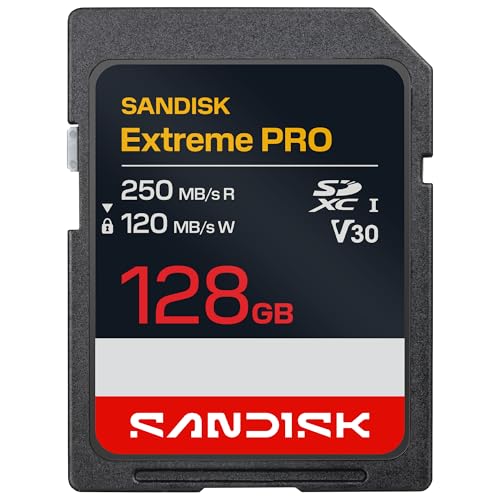
- Large files demand fast cards and storage

Nikon Z8
A 45 megapixel stacked sensor and deep buffer bring most of Nikon’s flagship Z9 into a smaller body. Pre capture buffering records frames before the shutter fully presses, catching a takeoff most bodies would miss. No viewfinder blackout and negligible rolling shutter suit fast wing beats.
Pros
- Flagship performance in a smaller body
- Pre capture buffer catches takeoffs
- High resolution supports heavy cropping
Cons
- Battery life trails the larger Z9
- Large files need fast storage

Canon EOS R7
An APS-C sensor multiplies the effective focal length of every lens, turning an affordable telephoto into serious range. Canon’s animal detection tracks birds and mammals well, and 30 frames per second leaves plenty of frames to choose from. Low light and buffer depth trail the flagships.
Pros
- Crop sensor stretches telephoto reach
- Fast burst speed at a modest price
- Compact body for a wildlife setup
Cons
- Buffer fills faster than the flagships
- Weaker low light than full frame rivals

Sony Alpha 9 III
A global shutter reads the whole sensor at once, eliminating the distortion that skews fast wing beats on other cameras. Bursts sustain 120 frames per second, so a bird striking or launching gets fully captured. Resolution runs lower than the Alpha 1, trading crop room for outright speed.
Pros
- No rolling shutter distortion at all
- Extreme burst speed for flight shots
- Fast flash sync as a bonus
Cons
- Lower resolution limits heavy cropping
- Very high price

OM System OM-1 Mark II
Micro Four Thirds doubles effective focal length, so this body reaches as far as a much larger system while staying light enough for a full day hike. Bird detection autofocus performs well, and pre capture buffering records frames before the shutter press. Sealing handles the weather wildlife often brings.
Pros
- Effective doubling of telephoto reach
- Very portable for a fast shooting system
- Robust weather sealing and stabilisation
Cons
- Smaller sensor limits low light and cropping
- Resolution trails full frame rivals

Nikon Z9
An integrated grip and rugged sealed body suit long days in the field. Outstanding battery life keeps pace with sustained shooting, and a 45 megapixel stacked sensor pairs with a deep buffer for extended bursts. Subject detection tracks birds and mammals tenaciously.
Pros
- Exceptional battery life for full days
- Very rugged, sealed construction
- Deep buffer for sustained bursts
Cons
- Large and heavy to carry
- Integrated grip adds bulk

Canon EOS R5 Mark II
A 45 megapixel stacked sensor with fast readout blends high resolution cropping with real speed for action. Eye control focus lets you place the focus point simply by looking, which suits fast moving subjects. Pre capture buffering and strong bird detection round out a genuine stills and video hybrid.
Pros
- High resolution with fast sensor readout
- Eye control speeds up focus point selection
- Strong hybrid stills and video performance
Cons
- Expensive and demanding on storage
- Runs warm during extended video use
Compared at a glance
| # | Model | Sensor | Best for | Score | Price |
|---|---|---|---|---|---|
| 1 | Sony Alpha 1 | 50 megapixel stacked full frame | Best overall | 9.6 | Check price |
| 2 | Nikon Z8 | 45 megapixel stacked full frame | Best value flagship | 9.4 | Check price |
| 3 | Canon EOS R7 | 33 megapixel APS-C | Best reach for the money | 9.1 | Check price |
| 4 | Sony Alpha 9 III | 24 megapixel global shutter full frame | Best for flight and action | 9.3 | Check price |
| 5 | OM System OM-1 Mark II | 20 megapixel stacked Micro Four Thirds | Best for reach and portability | 8.9 | Check price |
| 6 | Nikon Z9 | 45 megapixel stacked full frame | Best professional workhorse | 9.2 | Check price |
| 7 | Canon EOS R5 Mark II | 45 megapixel stacked full frame | Best hybrid for reach and video | 9.0 | Check price |
How to pick the right one
Why tracking autofocus decides the outcome Wildlife subjects are small, fast and often partly hidden, so finding and holding a bird’s eye against a busy background decides how many frames come back sharp. Dedicated bird detection modes have transformed hit rates in recent years. Weigh tracking tenacity far more heavily than a raw resolution figure.
Where reach comes from: focal length or crop Filling the frame with a distant animal needs long glass, which is expensive and heavy. Crop sensor bodies like the R7 and OM-1 Mark II multiply effective reach, letting a moderate lens perform like a much longer one. High resolution full frame bodies take the other route, giving room to crop hard into a 45 or 50 megapixel file.
How buffer depth and pre capture save the shot A bird taking flight or a predator striking happens faster than human reaction time allows. Deep buffers hold a long burst without stalling, and pre capture buffering records frames from just before the shutter fully presses, rescuing moments that would otherwise vanish.
Best cameras for fast flight and erratic motion Stacked and global shutter sensors read out far quicker than conventional ones, removing viewfinder blackout during bursts and the rolling shutter skew that bends fast wing beats. For flight photography this keeps a subject’s shape true even at extreme frame rates.
Common questions
Do I need a stacked sensor for wildlife photography?
It helps a great deal for flight and fast action by removing viewfinder blackout and rolling shutter distortion. For perched birds and slower mammals, a conventional sensor with good tracking still performs very well.
Is a crop sensor good for wildlife?
Yes, because it multiplies effective reach, letting a smaller telephoto fill the frame with a distant subject. The trade is weaker low light performance and less room to crop than a high resolution full frame body.
What lens do I need for bird photography?
A telephoto reaching at least 400mm on full frame is the usual starting point, and longer helps with small or distant birds. On a crop body, a 300mm lens already behaves like something considerably longer.
How important is pre capture buffering for action shots?
For unpredictable moments like a takeoff, it is transformative, recording frames from before you react. It cannot fix poor tracking, but paired with good autofocus it dramatically raises the hit rate on fleeting behaviour.
Do more megapixels help wildlife shooters?
They give room to crop into a distant subject while keeping detail, effectively extending reach. The trade is larger files, faster storage needs and a fuller buffer, so it is a balance rather than an outright win.
Can wildlife photography be done handheld?
Yes, with stabilisation and a manageable lens. Lighter systems like the OM-1 Mark II make all day handheld work comfortable, while heavier full frame rigs often benefit from a monopod for long lenses.
Is weather sealing necessary for wildlife cameras?
For serious fieldwork, yes. Wildlife shooting often means rain, dust and cold, and a sealed body paired with a sealed lens keeps shooting where an unsealed one would risk damage.
Which wildlife camera is best value for a keen amateur?
The Canon EOS R7 gives the most reach and speed per dollar, while the Nikon Z8 delivers near flagship results for less than the outright top bodies if budget stretches further.
Sony Alpha 1 vs Nikon Z8: which is better for birds?
The Alpha 1 edges ahead on tracking refinement and burst speed, while the Z8 comes close for meaningfully less and adds pre capture buffering. Choose the Z8 first unless outright top performance matters most.
The bottom line
The Sony Alpha 1 remains the most capable wildlife camera here, combining reference bird tracking, high resolution for cropping and a blackout free 30 frame per second burst. The Nikon Z8 delivers nearly the same for meaningfully less, and the Canon EOS R7 gives keen amateurs the most reach per dollar through its crop sensor. Anyone chasing flight shots above all should consider the global shutter Sony Alpha 9 III, which renders fast motion without any distortion.
Marcus Chen
Marcus covered consumer electronics for enthusiast tech publications for six years before joining ChoiceCrest. He specializes in translating manufacturer spec sheets into plain-language buying advice, with a focus on audio, computing accessories and smart-home gear.