Sony A6400 Review: Does Its Autofocus Still Hold Up?
Sony A6400 still leads value APS-C thanks to real-time eye autofocus that outpaces many newer cameras and clean oversampled 4K. Missing in-body stabilization and a dated menu are the real trade-offs. Sony A6700 adds stabilization and a newer sensor. Fujifilm X-T30 II answers instead with dials and richer color.
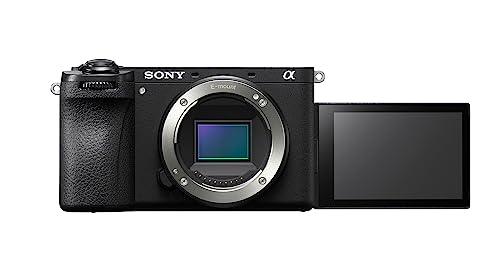
Autofocus remains the reason to buy a Sony A6400 today. Real-time eye and tracking autofocus locks on fast enough to compete with cameras released years later, wrapped around a flip-up screen and clean oversampled 4K in a compact body.
What years of newer releases have exposed is the A6400’s missing in-body stabilization and an aging menu system, so the real question is whether those gaps matter for how you shoot. We compared autofocus, stabilization, video, handling, and lens choice against six cameras buyers cross-shop, then weighed that against long-term owner feedback.
The top picks, ranked
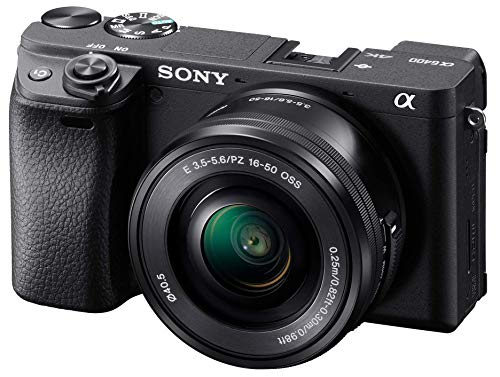
Sony A6400
Enthusiasts, content creators, and phone upgraders who want reliable autofocus without a big spend land here first. Real-time eye and tracking autofocus still shames many newer cameras, and oversampled 4K stays clean. No in-body stabilization means handheld video needs a stabilized lens or gimbal, and the menu system shows its age.
Pros
- Fast, reliable real-time autofocus
- Flip-up screen good for vlogging
- Excellent value for the autofocus on offer
Cons
- No in-body stabilization
- Dated menus and modest battery

Fujifilm X-T30 II
Enthusiasts who want tactile control and Fujifilm’s film simulations cross-shop here directly. A 26 megapixel sensor, dedicated dials, and a deeper native lens range set it apart. Autofocus stickiness for fast subjects trails the Sony, and in-body stabilization stays absent on both.
Pros
- Dedicated dials and film simulations
- Deep native lens lineup
- Higher-resolution 26MP sensor
Cons
- Autofocus less sticky for fast action
- No in-body stabilization

Canon EOS R10
Buyers chasing fast bursts and Canon’s Dual Pixel autofocus find a newer alternative here. A deeper grip and quicker continuous shooting come standard, though Canon’s native APS-C lens range stays thin. In-body stabilization is missing, same as the Sony, but subject detection runs a generation newer.
Pros
- Fast burst shooting
- Modern subject-detection autofocus
- Comfortable grip
Cons
- Limited native APS-C lenses
- No in-body stabilization

Sony ZV-E10 II
Video and vlogging buyers who can skip a viewfinder gain a newer 26 megapixel sensor and fully articulating screen here. AI subject recognition and creator-focused tools go beyond what the A6400 offers. In-body stabilization still stays absent, relying instead on an electronic mode.
Pros
- Newer sensor and better video
- Fully articulating screen
- Creator-focused features
Cons
- No viewfinder
- No in-body stabilization

Nikon Z50 II
Buyers who value grip comfort over the smallest possible size find a modern alternative here. Subject-detection autofocus inherited from Nikon’s flagship line pairs with a fully articulating screen. In-body stabilization stays absent, and the native lens range runs smaller than Sony’s E-mount lineup.
Pros
- Comfortable grip and controls
- Modern subject-detection autofocus
- Articulating screen
Cons
- No in-body stabilization
- Smaller native lens range
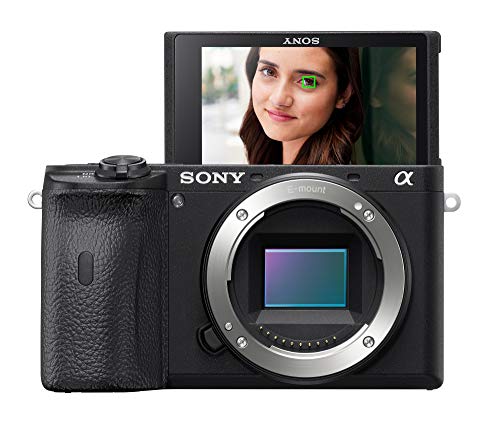
Sony A6600
A6400 owners who want stabilization without jumping to the pricier A6700 land here next. The same 24 megapixel sensor and autofocus generation carry over, with in-body stabilization and a larger battery added on top. Sensor and autofocus technology stay identical to the A6400, so stabilization and endurance are the real gains.
Pros
- In-body stabilization over the A6400
- Large battery for long days
- Same proven autofocus
Cons
- Same-generation sensor as the A6400
- Older menu system
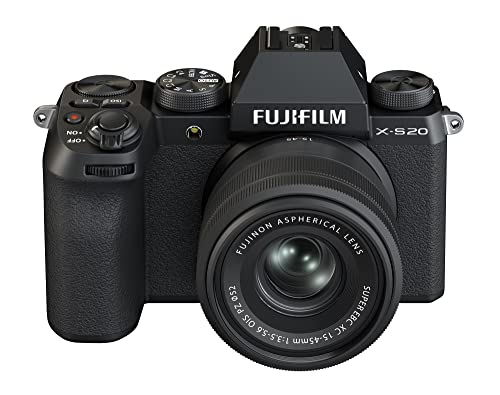
Fujifilm X-S20
Buyers willing to spend more for stabilization and stronger video get a generation-ahead body here. A grip-forward design, excellent battery life, and access to Fujifilm’s deeper lens range come at a higher price than the A6400. Video tops out at 6K 30p versus the Sony’s 4K.
Pros
- In-body stabilization and strong video
- Excellent battery life
- Access to Fujifilm lenses
Cons
- Costs noticeably more
- Single card slot
What to look for
What to know before buying an APS-C camera like the A6400 Autofocus speed separates budget APS-C bodies more than any other spec today. Sony’s A6400 uses real-time eye and tracking detection that locks fast and holds, backed by a 24 megapixel sensor that resolves clean, detailed files. Oversampled 4K stays sharp, and a 180-degree flip-up screen supports selfies and vlogging, though a hotshoe microphone can block it.
Who should buy the Sony A6400 Budget-conscious enthusiasts, first-time interchangeable-lens buyers, and creators who prize autofocus over stabilization fit this camera well. Family, travel, and street photography suit its strengths, and vloggers who pair it with a stabilized lens or gimbal do fine too. Anyone shooting handheld video without stabilization gear regularly should look at the A6600 or Fujifilm X-S20 instead.
Best A6400 alternatives for vlogging, action, and handling Vloggers who want a fully articulating screen and a newer sensor gain both with the Sony ZV-E10 II, at the cost of a viewfinder. Action shooters on a budget find newer subject detection in the Canon EOS R10 or Nikon Z50 II. Photographers who want dials and film-simulation color instead of continuous autofocus polish should compare the Fujifilm X-T30 II.
A6400 vs A6600: is stabilization worth the upgrade Both cameras share the same 24 megapixel sensor and autofocus generation, so image quality stays nearly identical. A6600 adds 5-axis in-body stabilization and a larger battery, which matters most for handheld video and all-day shooting. A6400 costs less and remains the stronger pick for anyone who already owns a stabilized lens or shoots mostly stills.
The lineup, side by side
| # | Model | Sensor | Best for | Score | Price |
|---|---|---|---|---|---|
| 1 | Sony A6400 | APS-C 24MP Exmor CMOS | The camera reviewed | 9.0 | Check price |
| 2 | Fujifilm X-T30 II | APS-C 26MP X-Trans CMOS | Best for dials and colour | 8.9 | Check price |
| 3 | Canon EOS R10 | APS-C 24MP CMOS | Best for action on a budget | 8.8 | Check price |
| 4 | Sony ZV-E10 II | APS-C 26MP Exmor R CMOS | Best for vloggers | 8.8 | Check price |
| 5 | Nikon Z50 II | APS-C 21MP CMOS | Best handling for the money | 8.7 | Check price |
| 6 | Sony A6600 | APS-C 24MP Exmor CMOS | Best step up in the range | 8.6 | Check price |
| 7 | Fujifilm X-S20 | APS-C 26MP X-Trans CMOS | Best hybrid upgrade | 8.9 | Check price |
Frequently asked questions
Is the Sony A6400 still worth buying?
Yes, for buyers who prioritize autofocus and value. Real-time eye and tracking autofocus still competes with much newer cameras, and it shoots clean 4K in a compact body at a low price. Spending more mainly buys in-body stabilization and a newer sensor, which the A6700 provides.
Does the Sony A6400 have in-body stabilisation?
No. It relies on optically stabilized lenses or a gimbal for smooth handheld video instead. Stabilization becomes available if you step up to the Sony A6600, A6700, or Fujifilm X-S20.
Is the Sony A6400 good for vlogging?
It handles vlogging well thanks to a 180-degree flip-up screen and reliable face and eye autofocus. A hotshoe microphone can block that screen, and stabilization stays absent. Creators wanting a fully articulating screen and stabilization together may prefer the Sony ZV-E10 II.
How does the A6400 compare to the A6600?
Both share the same 24 megapixel sensor and autofocus generation, so image quality runs similar. A6600 adds 5-axis in-body stabilization and a larger battery for better handheld video and all-day endurance. A6400 costs less and stays the stronger value pick.
How does the A6400 compare to the Fujifilm X-T30 II?
X-T30 II offers dedicated dials, film-simulation color, and a slightly higher-resolution 26 megapixel sensor. A6400 counters with stickier real-time autofocus for moving subjects. Neither includes in-body stabilization, so the choice often comes down to autofocus versus handling and color.
Does the Sony A6400 shoot 4K video?
Yes, oversampled 4K reaches 30p and stays sharp and detailed, with Full HD available at higher frame rates for slow motion. Video records at 8-bit, and pairing it with a stabilized lens helps most for handheld work.
What lenses fit the Sony A6400?
It uses Sony’s E-mount, which accepts both APS-C and full-frame E-mount lenses. The native APS-C range runs smaller than Fujifilm’s, so many owners add compact full-frame lenses to fill gaps.
Is the A6400 good for beginners?
Yes. Autofocus does much of the hard work, the body stays compact and easy to carry, and the E-mount lens system lets it grow with you. Dated menus take some learning, but the low price and reliable results make it a solid first camera.
Sony A6400 vs Canon EOS R10: which has better autofocus for action?
Canon’s EOS R10 runs a newer generation of subject-detection autofocus and adds faster burst shooting for the price. Sony’s A6400 still tracks eyes and faces reliably and costs about the same. Canon’s thinner native APS-C lens range is the main trade-off for that newer autofocus.
The bottom line
Sony A6400 endures as one of the best-value APS-C cameras, with autofocus that still outclasses many newer rivals, a vlog-friendly flip-up screen, and clean 4K. Missing in-body stabilization and dated menus hold it back from a higher score. Buyers who want stabilization and a newer sensor should step up to the Sony A6700, while those who prefer dials and film-simulation color should compare the Fujifilm X-T30 II.
Marcus Chen
Marcus covered consumer electronics for enthusiast tech publications for six years before joining ChoiceCrest. He specializes in translating manufacturer spec sheets into plain-language buying advice, with a focus on audio, computing accessories and smart-home gear.