A Lens Built for Sharp, Wide Landscape Photography
The Sony FE 16-35mm f/2.8 GM II leads for landscape work, pairing edge to edge sharpness with a light, sealed body. Canon shooters get comparable reach in the RF 15-35mm f/2.8L IS, and the Nikon Z 14-30mm f/4 S offers the strongest value and packability.
Corner sharpness and a manageable weight make the Sony FE 16-35mm f/2.8 GM II the lens to beat for most landscape work. Canon owners can match that reach with the RF 15-35mm f/2.8L IS. Anyone chasing value and low bulk should look hard at the Nikon Z 14-30mm f/4 S.
Landscape lenses face demanding conditions, since detail must hold into the extreme corners while filters still need to fit and gear faces wind, spray and dust on location. We compared real world sharpness reports, distortion behavior, weather sealing, filter friendliness and weight, then spread the picks across the mounts landscape shooters actually own.
Before you buy
Buy for your camera mount first Landscape lenses live and die by native fit, so decide whether the system is Sony E, Canon RF, Nikon Z, Fujifilm X or L mount before comparing anything else. A perfectly matched lens focuses fast and keeps the setup light for long walks to a viewpoint. Adapters rarely manage that combination as cleanly as a native lens.
Decide how much scene you actually want Around 16mm on full frame captures classic sweeping vistas, while pushing to 12mm or 14mm exaggerates foregrounds for near far compositions. On APS-C, apply the crop factor, since a Fuji 10-24mm behaves roughly like a 15-36mm on full frame. Wider is not automatically better for every scene.
Weigh corner sharpness against filter convenience Landscapes reward detail into the extreme corners, so favor lenses known to hold up there rather than just at center frame. Check whether the front element takes screw in filters, since bulbous designs like the Sigma 14-24mm need bulky holders for polarizers and neutral density glass.
Balance aperture speed against weight on location An f/2.8 zoom helps for astro and dim blue hour work but adds real heft to a pack. An f/4 lens like the Nikon 14-30mm saves weight and often accepts standard filters instead. Match that trade off to how far a typical hike runs and whether night sky shots matter.
The top picks, ranked
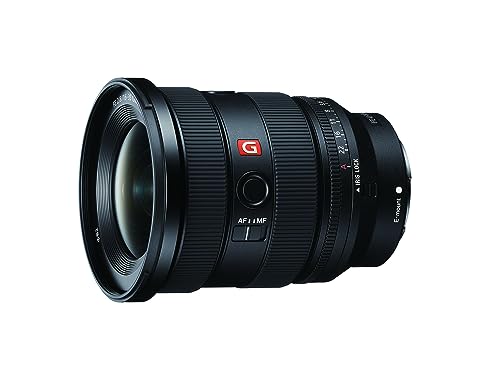
Sony FE 16-35mm f/2.8 GM II
Sony’s second generation wide zoom weighs dramatically less than the original while resolving sharper corners. The 16mm end captures sweeping scenes with ease. A sealed barrel shrugs off dust and grit on trailside shoots.
Pros
- Excellent corner to corner detail
- Light for a pro grade wide zoom
- Robust weather sealing throughout
Cons
- Premium price point
- 82mm filters cost more than smaller sizes

Canon RF 15-35mm f/2.8L IS USM
Canon’s flagship wide zoom pushes to a genuinely dramatic 15mm. Optical stabilization is rare in this lens class and adds real handheld flexibility. RF landscape shooters get a dependable all weather build with L series sealing.
Pros
- Very wide 15mm field of view
- Built in image stabilization
- Weather sealed L series build
Cons
- Heavier than f/4 alternatives
- Some corner softness wide open

Nikon Z 14-30mm f/4 S
This f/4 zoom collapses down to a compact size for travel. Unusually for an ultra wide, it accepts standard 82mm screw in filters. Travelers who want width without extra bulk favor it most.
Pros
- Compact retracting design
- Accepts front screw in filters
- Strong value for the focal range
Cons
- f/4 limits astro and low light use
- Slight vignetting shows at 14mm

Sigma 14-24mm f/2.8 DG DN Art
Sigma tuned this Art zoom to tame coma, keeping stars pinpoint at the edges during long exposures. Photographers chasing the Milky Way alongside vistas favor it as a specialist tool. A sealed, dust resistant build holds up on night shoots.
Pros
- Excellent control of coma for stars
- Sharp corners wide open
- Sealed, dust resistant build
Cons
- Bulbous front blocks screw in filters
- Fairly heavy for a wide zoom

Tamron 17-28mm f/2.8 Di III RXD
Tamron delivers a fast f/2.8 wide zoom at a fraction of first party cost. A light, compact shell suits long days of hiking. Image quality punches above its price, though the range runs shorter than rivals.
Pros
- Affordable f/2.8 aperture
- Light and travel friendly build
- Sharp center performance
Cons
- Shorter zoom range than rivals
- Corners soften slightly wide open

Sony FE 12-24mm f/4 G
Reaching an astonishing 12mm, this G series zoom captures interiors, tight canyons and expansive skies that normal wides cannot. It stays compact given how much scene it swallows. Even sharpness holds across the frame.
Pros
- Exceptionally wide field of view
- Compact for an ultra wide zoom
- Even sharpness across the frame
Cons
- No front filter thread available
- Ultra wide angles are tricky to compose
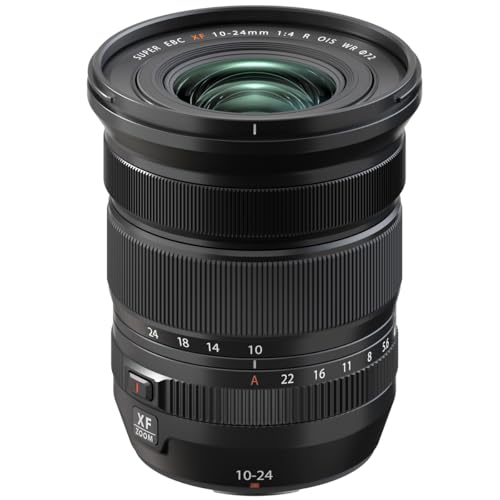
Fujifilm XF 10-24mm f/4 R OIS WR
On an X mount body this covers roughly 15mm to 36mm equivalent, a versatile landscape span. Built in stabilization and weather resistance round out a tidy one lens wide kit. Fuji hikers get 72mm filter compatibility as a bonus.
Pros
- Stabilized and weather resistant build
- Flexible wide to standard range
- Takes common 72mm filters
Cons
- f/4 only across the whole zoom
- APS-C gathers less light than full frame
How they stack up
| # | Model | Mount | Best for | Score | Price |
|---|---|---|---|---|---|
| 1 | Sony FE 16-35mm f/2.8 GM II | Sony E full frame | Best overall | 9.5 | Check price |
| 2 | Canon RF 15-35mm f/2.8L IS USM | Canon RF full frame | Best for Canon RF | 9.3 | Check price |
| 3 | Nikon Z 14-30mm f/4 S | Nikon Z full frame | Best value | 9.2 | Check price |
| 4 | Sigma 14-24mm f/2.8 DG DN Art | Sony E and L mount | Best for astro | 9.1 | Check price |
| 5 | Tamron 17-28mm f/2.8 Di III RXD | Sony E full frame | Best budget | 8.8 | Check price |
| 6 | Sony FE 12-24mm f/4 G | Sony E full frame | Best ultra-wide | 8.9 | Check price |
| 7 | Fujifilm XF 10-24mm f/4 R OIS WR | Fujifilm X APS-C | Best for APS-C | 8.7 | Check price |
Common questions
What focal length is best for landscape photography?
Something in the 14mm to 35mm range on full frame covers most landscape needs, with 16mm as a versatile default. Go wider for dramatic foregrounds, narrower to isolate distant features.
Do landscapes need f/2.8 or is f/4 enough?
For daytime scenics, f/4 is plenty since most shots get stopped down for depth of field anyway. Choose f/2.8 mainly for Milky Way work or faster shutter speeds in low light.
Can screw in filters be used on ultra wide lenses?
It depends on the front element design. Flat fronted lenses like the Nikon Z 14-30mm take normal filters, while bulbous designs such as the Sigma 14-24mm need a larger dedicated filter holder.
Is weather sealing important for a landscape lens?
Yes, since landscape work often means wind, spray, dust and sudden weather changes. A sealed lens adds peace of mind, though changing lenses in heavy rain or blowing sand is still worth avoiding.
Are APS-C lenses good enough for landscape work?
Absolutely, a lens like the Fujifilm XF 10-24mm produces detailed, wide results. Full frame simply gathers more light and offers a touch more dynamic range in the most challenging scenes.
Prime vs zoom: which suits landscape photography better?
Zooms are more practical on location, since they let a photographer refine framing without moving along cliff edges. Primes can be sharper and lighter but limit compositional flexibility in the field.
Why do my landscape photos look soft in the corners?
Cheaper wide lenses often struggle at the extreme edges, especially wide open. Stopping down to around f/8 usually sharpens corners noticeably while adding depth of field at the same time.
Which lens works best for astrophotography landscapes?
The Sigma 14-24mm f/2.8 DG DN Art stands out because it controls coma so stars stay crisp at the edges, and its fast aperture gathers plenty of light under dark skies.
Best landscape lens for hiking and travel?
The Nikon Z 14-30mm f/4 S or the Tamron 17-28mm f/2.8 both stay light and compact enough for long days on trail, trading a stop of light for less weight.
Sony 16-35mm vs Sony 12-24mm: which is the better landscape choice?
The 16-35mm handles general landscape work with more filter options and less distortion, while the 12-24mm suits photographers who specifically want an extreme wide field of view.
The verdict
The Sony FE 16-35mm f/2.8 GM II remains the wide zoom most landscape shooters will love, combining corner sharpness, sealing and a manageable weight. Canon owners get equivalent reach and stabilization in the RF 15-35mm f/2.8L IS, and the Nikon Z 14-30mm f/4 S wins on value and packability. Astro focused shooters should look straight at the Sigma 14-24mm, and buy native for your mount whenever possible.
Marcus Chen
Marcus covered consumer electronics for enthusiast tech publications for six years before joining ChoiceCrest. He specializes in translating manufacturer spec sheets into plain-language buying advice, with a focus on audio, computing accessories and smart-home gear.


