Underwater Camera Housings That Actually Keep Water Out
The Ikelite 200DL leads this group on control access, port support, and dealer backing, making it the housing most divers should buy first. Nauticam’s NA series suits professionals who need deeper ratings, while the SeaFrogs 40m housing delivers similar control coverage for considerably less money.
Pick one housing and you want it to work the first time: the Ikelite 200DL delivers the widest control access and port support, the SeaFrogs 40m matches much of that for less money, and the Meikon 40m works as a low-cost entry for reef diving. Each keeps a real camera dry well within recreational depths.
Housings get tricky fast because a case built for one camera body rarely fits the next model, and one dry o-ring floods the whole compartment. We compared depth ratings, control coverage, port compatibility, and each maker’s track record on seals and spare parts rather than marketing copy.
The shortlist, ranked

Ikelite 200DL Underwater Housing
Ikelite builds the 200DL from clear polycarbonate, so a hairline leak shows up before it reaches the camera. Full control access covers dials, buttons, and video triggers that many competing housings skip. Dealers stock a wide range of DL bayonet ports and strobe brackets, which keeps upgrades simple later.
Pros
- Clear shell reveals leaks early
- Wide port and body compatibility
- Strong dealer and spare parts network
Cons
- Ports and strobes raise the total cost
- Bulkier than compact housing options
Nauticam NA Series Housing
Nauticam machines the NA series from anodized aluminum, which survives repeated dive boat abuse better than plastic shells. Control layouts get customized per camera body, so shutter, aperture, and video buttons sit exactly where a working shooter expects them. A 330 foot rating plus a deep N series port lineup covers technical diving beyond typical recreational limits.
Pros
- Ergonomics rated among the best for control feel
- Depth rating covers technical diving
- Extensive port and accessory ecosystem
Cons
- Highest price of any housing here
- More capability than casual snorkeling needs

SeaFrogs 40m Underwater Housing
SeaFrogs molds body-specific housings from aluminum and polycarbonate, rated to 40 meters for recreational diving. Nearly every camera button stays accessible through the shell, which is rare at this price point. An optional vacuum port lets owners run a pre-dive pressure check before ever entering the water.
Pros
- Covers nearly every button without missing cutouts
- Available for a wide range of camera bodies
- Vacuum port option for pre-dive leak checks
Cons
- Fit and features vary by camera model chosen
- Accessory tray sold as a separate purchase

Sea and Sea MDX Housing
Sea and Sea machines the MDX line from aluminum alloy sized for full DSLR bodies. Sealing stays tight even with a large mirror box inside, and both optical and electrical strobe sync keep flash timing reliable. Shooters moving a big camera underwater get a housing built specifically around that bulk.
Pros
- Aluminum build suited to large DSLR bodies
- Dual strobe sync options for flash reliability
- Control layout keeps buttons within easy reach
Cons
- Heavier to carry topside than compact housings
- Ports remain a separate purchase
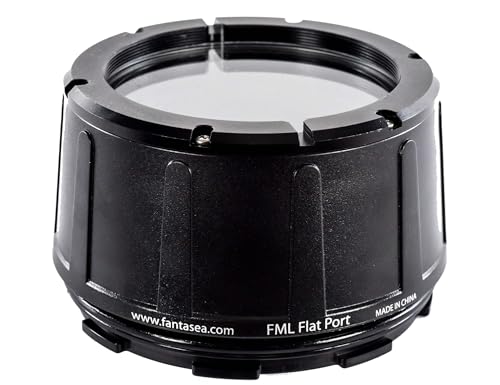
Fantasea FA6500 Housing
Fantasea wraps popular APS-C mirrorless bodies in a compact polycarbonate shell built for travel. A built-in moisture sensor triggers an alarm before a small leak becomes a flooded compartment. Size and weight stay low enough to pack alongside dive gear without a dedicated case.
Pros
- Built-in leak alarm catches problems early
- Compact enough to pack in carry-on luggage
- Clear shell helps spot leaks visually
Cons
- Supports a narrower list of camera bodies
- Fewer high-end port choices than pro systems

Meikon 40m Waterproof Housing
Meikon builds sealed cases for popular compact and mirrorless bodies, rated to 40 meters at an entry-level price. A double o-ring seal and textured grip suit reef snorkeling and light recreational diving. Technical or deep diving asks more of a housing than this one is designed to deliver.
Pros
- Lowest entry price among these seven
- Compact shape that is easy to pack
- Covers several popular camera bodies
Cons
- Limited accessory and port selection
- Best suited to shallower recreational depths

DiveVolk SeaTouch 4 Max Phone Housing
DiveVolk’s SeaTouch 4 Max routes full touchscreen control through a sealed membrane, so a phone camera app stays usable underwater. A universal clamp fits most phone sizes without a model-specific shell. Add-on lens and light mounts extend what a phone alone can capture.
Pros
- Works with the phone owners already carry
- Real touchscreen control while submerged
- Accepts add-on lenses and lights
Cons
- Image quality limited by phone camera hardware
- Membrane touch response takes practice to trust
How to choose
What Matters Most When Choosing an Underwater Housing A housing is molded around one camera’s exact shape and button layout, so start the search with your camera model rather than the housing brand. Depth rating, control access, and port compatibility narrow a crowded market to a short real list. Most price gaps between housings trace back to how much of the camera’s control surface the shell actually reaches.
Which Depth Rating Do You Actually Need Recreational diving rarely passes 40 meters, and that range covers reef, wreck, and shore dives for most shooters. Snorkeling stays within a few meters, so even an entry-level housing already exceeds that depth requirement. Technical divers working past 60 meters are the group that benefits from machined aluminum construction and a higher rating.
How Do You Stop an Underwater Housing From Leaking Every flood traces back to a seal, so o-rings need cleaning, a light coat of grease, and a check for trapped hair or sand before each dive. A clear polycarbonate back or a built-in moisture alarm gives an early warning within the first minute underwater. An optional vacuum port adds a pre-dive pressure test that catches a bad seal before the boat even leaves the dock.
Why Do Ports and Strobes Cost More Than the Housing Lens ports come in different lengths and glass types, so makers sell them separately to match specific optics rather than bundling one size for everyone. Strobes and video lights restore color that water filters out within the first few meters of depth. Pricing the full kit, housing, port, and lighting together avoids a shell that looks cheap until the real total arrives.
Compared at a glance
| # | Model | Depth rating | Best for | Score | Price |
|---|---|---|---|---|---|
| 1 | Ikelite 200DL Underwater Housing | 200 feet | Best overall | 9.4 | Check price |
| 2 | Nauticam NA Series Housing | 330 feet | Best for professionals | 9.3 | Check price |
| 3 | SeaFrogs 40m Underwater Housing | 130 feet (40m) | Best value | 9.1 | Check price |
| 4 | Sea and Sea MDX Housing | 200 feet | Best for DSLR shooters | 8.9 | Check price |
| 5 | Fantasea FA6500 Housing | 200 feet | Best for mirrorless travel | 8.7 | Check price |
| 6 | Meikon 40m Waterproof Housing | 130 feet (40m) | Best budget | 8.6 | Check price |
| 7 | DiveVolk SeaTouch 4 Max Phone Housing | 197 feet | Best for smartphones | 8.4 | Check price |
Good to know
Will any underwater housing fit my camera?
No. Housings are molded around one specific body and button layout, so the listing must name your exact camera model and generation.
What depth rating do underwater camera housings need?
A 40 meter rating covers reef, wreck, and shore diving for most recreational divers. Technical divers going deeper should choose aluminum housings rated past 60 meters.
How do underwater housings prevent leaks?
Clean and lightly grease the o-ring before every dive, keep sand and hair away from the seal, and fully close every latch. A vacuum check or built-in alarm adds a second layer of protection.
Do I need strobes with an underwater camera housing?
Water absorbs color quickly with depth, so external strobes or video lights noticeably improve results below a few meters. Shallow snorkeling can often rely on natural light alone.
Can I use a phone housing instead of a dedicated camera?
Yes. A phone housing like the DiveVolk SeaTouch 4 Max controls the touchscreen directly, making it the cheapest entry point into underwater photography.
Is a clear housing better than an aluminum one?
Clear polycarbonate costs less and lets owners spot a leak by sight, while aluminum handles deeper ratings and tighter control feel. Casual divers are usually well served by a clear shell.
Why are camera housing ports sold separately?
Different lenses need different port lengths and glass, so makers sell ports individually to match the optics being used. Budget for the correct port alongside the housing itself.
How do you care for an underwater housing after a dive?
Rinse it in fresh water with the latches still closed, cycle the buttons to flush out salt, then let it dry fully before opening. Store the o-ring loose and clean between trips.
Underwater camera housing vs waterproof camera, which is better?
A housing protects a full-featured camera you already own, delivering sharper images and interchangeable lenses. A dedicated waterproof camera trades some image quality for a simpler, all-in-one setup.
Is a mirrorless housing worth it over a DSLR housing?
Mirrorless housings run smaller and lighter since the camera body itself is smaller, which matters for travel. DSLR housings like the Sea and Sea MDX suit shooters who already own that larger body and its lenses.
Our pick
The Ikelite 200DL remains the housing most divers should buy first, thanks to its clear shell, wide port support, and dependable seals. Professionals chasing deeper technical dives get more from the Nauticam NA series, while the SeaFrogs 40m or Meikon 40m keep a real camera dry on recreational depths without the premium cost.
Marcus Chen
Marcus covered consumer electronics for enthusiast tech publications for six years before joining ChoiceCrest. He specializes in translating manufacturer spec sheets into plain-language buying advice, with a focus on audio, computing accessories and smart-home gear.