Is a Rotary Hammer Really Different From a Regular Hammer Drill?
Yes, they are mechanically different tools even though they look similar. A hammer drill adds a light hammering action through two ridged discs knocking against each other, suited to occasional masonry drilling, while a rotary hammer uses a piston driven air cushion mechanism to deliver far stronger, more consistent blows, built for sustained concrete and masonry work.
The mechanism difference
A hammer drill uses two cam shaped discs with ridges that clack together, layering a short, relatively weak hammering action on top of normal rotation. A rotary hammer instead uses a piston and an air cushion, or in some designs a crank mechanism, to create a genuine high force hammering blow that can run independently of, or combined with, rotation.
Why rotary hammers hit so much harder
The real comparison is impact energy, usually measured in joules or inch pounds, rather than speed or rotation. A rotary hammer of similar overall size can deliver several times the blow force of a hammer drill, which is why it chews through cured concrete that would stall a hammer drill quickly.
The SDS chuck difference
Most rotary hammers use an SDS plus or SDS max bit system that lets the bit slide slightly within the chuck and transmit hammer blows directly along its length. Hammer drills instead use a standard keyed or keyless chuck that clamps the bit rigidly, which is fine for light hammering but not built to pass along heavy repeated impacts.
Rotation only or hammer only modes
Many rotary hammers can switch to hammer only mode, delivering straight impact without any rotation at all, which is useful for light chiseling or demolition work. A standard hammer drill has no equivalent mode since its hammering action is tied directly to rotation.
When a hammer drill is actually the better choice
For driving screws, drilling into wood or metal, and occasional small anchor holes in brick or light concrete, a hammer drill is lighter, cheaper, and doubles as a general purpose drill, which makes it the more practical everyday tool for most homeowners.
When you genuinely need a rotary hammer
Repeated anchor holes in cured concrete, larger diameter holes, chiseling out tile or old mortar, or any job description that mentions concrete more than occasionally all call for a rotary hammer, since a hammer drill will struggle and wear out faster trying to do that work.

Bosch 11255VSR Bulldog Xtreme SDS Plus Rotary Hammer
A widely used corded rotary hammer built for repeated concrete anchor holes and light chiseling in residential and commercial work.
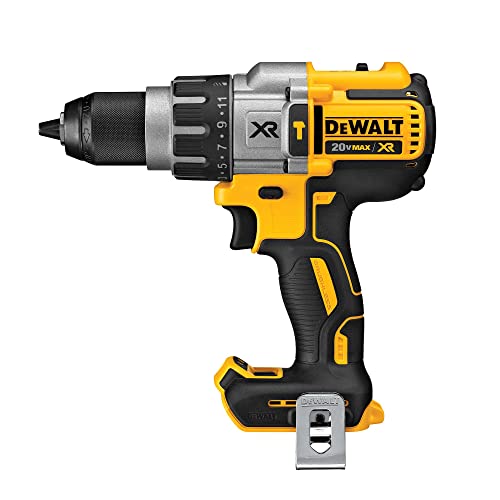
DEWALT DCD996B 20V MAX XR Hammer Drill
A cordless hammer drill aimed at general drilling and driving with occasional light masonry work, not sustained concrete drilling.
Frequently asked questions
Can a hammer drill drill into concrete at all?
Yes, for occasional small holes in lighter concrete or brick, but it works noticeably slower and wears bits down faster than a rotary hammer would on the same material.
Why do rotary hammers use SDS bits instead of a regular chuck?
The SDS system lets the bit move slightly inside the chuck to receive the full force of each hammer blow directly, which a rigid standard chuck is not designed to transmit without damaging the tool or bit.
Is a rotary hammer overkill for drilling a few anchor holes?
For just a handful of holes in reasonably soft masonry, a hammer drill with a quality masonry bit can usually manage, but a rotary hammer makes the job meaningfully faster and easier on both the tool and the user.
Can I use a rotary hammer as a regular drill?
Many models offer a drill only or rotation only setting for this, but rotary hammers are heavier and less precise for everyday wood or metal drilling compared to a dedicated drill.
Does a hammer drill work for driving screws?
Yes, with the hammer function turned off, a hammer drill functions as a normal drill driver for screws and general drilling tasks.
Why does a rotary hammer feel so much heavier to hold?
The internal piston and air cushion mechanism that generates strong impact force adds real weight and bulk compared to the simpler cam mechanism in a hammer drill.
Can a rotary hammer chisel tile without rotating?
Yes, most rotary hammers include a hammer only mode specifically for chiseling tasks like removing tile, old mortar, or thin concrete without any bit rotation.
Is impact energy a better spec to compare than RPM for these tools?
Yes, impact energy measured in joules or inch pounds reflects actual hammering power far better than RPM, which mostly describes rotation speed rather than blow force.
Do rotary hammers need special bits or do regular masonry bits work?
Rotary hammers need SDS compatible bits specifically designed to handle and transmit the stronger impact force, since standard round shank masonry bits are not built for that level of repeated shock.
Why does my hammer drill struggle after a few holes in brick?
The weaker cam based hammering mechanism generates significant heat and wear under repeated use in masonry, so performance and bit life both drop faster than with a purpose built rotary hammer.
Is SDS max different from SDS plus?
Yes, SDS max is a larger, heavier duty bit system used on bigger rotary hammers and breakers for large diameter holes and demolition, while SDS plus covers the more common lighter duty rotary hammers.
Can a cordless rotary hammer match a corded one for concrete work?
Modern high voltage cordless rotary hammers have closed much of the gap for typical anchor hole work, though heavy sustained use still tends to favor a corded model for consistent power over long sessions.
Does a rotary hammer wear out masonry bits faster than a hammer drill?
No, generally the opposite, since the SDS system transmits force more efficiently and with less bit chatter, which can actually extend bit life compared to the less controlled hammering action in a standard chuck.
Will a rotary hammer damage wood or metal if used by mistake?
Running it in hammer mode on wood or thin metal can cause excess vibration, splintering, or deformation, so it should be switched to rotation only mode for any non masonry material.
Can a rotary hammer be used for demolition work entirely?
Smaller rotary hammers in hammer only mode can handle light demolition like breaking tile or thin concrete, but larger dedicated demolition hammers or jackhammers are built specifically for heavier, sustained breaking work.
Why do rotary hammers sometimes have a clutch mechanism?
A slip clutch disengages the drive if the bit binds suddenly in the material, which protects the user from the tool twisting violently and protects internal gearing from shock damage.
Does bit diameter limit matter between SDS plus and SDS max?
Yes, SDS plus bits are generally limited to smaller diameter holes suited to lighter rotary hammers, while SDS max systems handle larger diameter bits and heavier demolition style accessories.
Can combination hammer drills do everything a rotary hammer does on a smaller scale?
Some higher end hammer drills blur the line somewhat, but they still cannot match a true rotary hammer’s impact energy for sustained concrete work, even if they handle occasional light masonry acceptably.
Why do rotary hammers vibrate so much compared to drills?
The piston and air cushion mechanism that generates strong impact force inherently produces more vibration feedback into the housing than a hammer drill’s lighter cam based mechanism.
Is anti-vibration technology in rotary hammers actually effective?
Modern vibration dampening systems using counterweights or isolated handles do measurably reduce felt vibration during use, which matters for comfort and fatigue during extended drilling sessions.
Can a hammer drill’s clutch setting prevent stripping screws?
Yes, the adjustable clutch on most hammer drills slips once a set torque is reached during driving, which helps prevent stripping screw heads or overdriving fasteners into soft material.
Our take
They share a family resemblance but solve different problems. A hammer drill is the right everyday tool for occasional masonry mixed with general drilling, while a rotary hammer earns its extra weight and cost the moment concrete becomes a regular part of the job.
Jake Monroe
Jake worked as a residential contractor for over a decade before shifting to full-time writing. He evaluates power tools, hand tools and workshop gear through the lens of someone who has actually used them on job sites, not just read the box.
You might also need
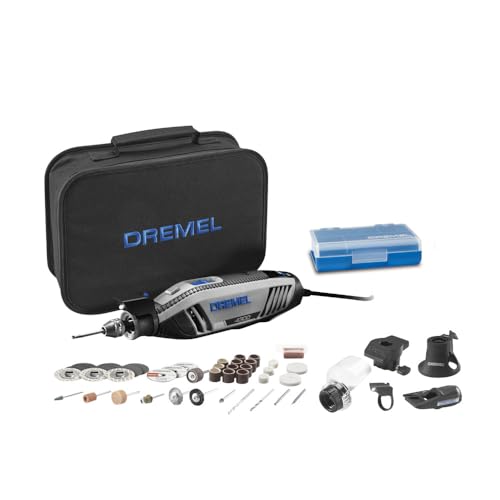
Is a Rotary Tool Really Versatile Enough to Replace Several Specialty Tools?

How Does a Right Angle Drill Reach Spaces a Regular Drill Can’t?
