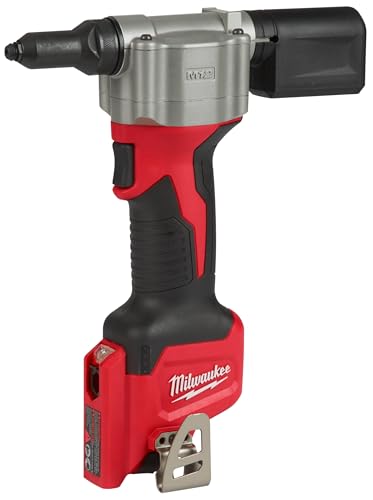
Cut Pile or Loop Pile: Which Tufting Gun to Buy?
AK-I’s Cut Pile Tufting Gun remains the reference machine most tutorials are filmed with. AK-II’s Loop Pile Tufting Gun covers sculpted lettering and logos instead. The Duo Tufting Gun 2 in 1 switches between both surfaces from one body.
AK-I’s Cut Pile Tufting Gun sets the standard for plush cut pile, and most online tutorials assume you own one. AK-II’s Loop Pile Tufting Gun handles the looped, sculptural look instead. Makers wanting both without buying two machines reach for the Duo Tufting Gun 2 in 1.
Most tufting gun listings look nearly identical, burying the differences that actually matter, pile height range and yarn thickness tolerance, deep in the specification block. We compared pile types, adjustable height ranges, yarn compatibility and motor speed, then weighed those against what makers report about vibration, jamming and part availability.
What we recommend

AK-I Cut Pile Tufting Gun
Most tufting tutorials are filmed on this exact machine, which matters more than it sounds once every video assumes your controls match. Dense, plush cut pile comes out consistent across a height range that spans short trimmed work through shaggy. Owners say replacement needles and parts are easier to source here than on any rival gun.
Pros
- The machine most tutorials demonstrate on
- Replacement parts stay widely available
- Wide adjustable pile height range
Cons
- Cut pile only, no loop option
- Noticeable vibration during long sessions

AK-II Loop Pile Tufting Gun
Tighter, more defined loops come from this machine, suited to logos, lettering and carved sculptural work. Yarn thickness matters more here than on cut pile guns, since the loop mechanism is more sensitive to variation. Makers say the finished loop surface holds crisp detail far better than trimmed cut pile ever does.
Pros
- Crisp detail for lettering and logos
- Loop surface holds up well underfoot
- Shares parts availability with the AK-I
Cons
- Fussier about yarn thickness
- Loop only, no cut pile
Duo Tufting Gun 2 in 1 Cut and Loop
Switching between cut and loop from a single body lets makers combine both surfaces in one rug without swapping machines mid project. Extra complexity comes with that flexibility, since the switching mechanism adds moving parts. Owners note it sits heavier in the hand than a single mode gun, which shows up over long sessions.
Pros
- Both pile types available in one machine
- No mid project machine swap needed
- Costs less than buying two dedicated guns
Cons
- Heavier than a single mode gun
- More mechanism that can go wrong

VEVOR Tufting Gun 2 in 1
Both pile modes come at a price well under the specialist brands, which is why this gun is the common recommendation for testing whether tufting sticks as a hobby. Build quality sits a step below the AK series, though the fundamentals work fine. Owner reports point to more vibration and slightly less consistent pile height across a large panel.
Pros
- Lowest cost route into both pile types
- Spare needle included in the box
- Widely stocked and easy to replace
Cons
- More vibration than premium guns
- Pile consistency varies over large areas
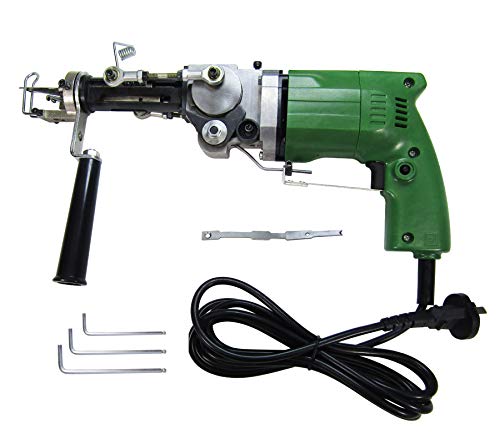
ZQ-II Cut and Loop Pile Tufting Machine
A faster needle speed fills large areas noticeably quicker, which targets makers producing rugs regularly rather than occasionally. That speed leaves less room for error, since mistakes appear faster too. Makers who moved up from an AK-I report a genuine jump in throughput on large commissions.
Pros
- Fills large areas quickly
- Reinforced housing suits regular use
- Handles both pile types
Cons
- Too fast for a first machine
- Louder in operation

Tuftinglove Cut and Loop Tufting Gun
A slower default speed and a clearer threading path make the first few hours noticeably less frustrating on this beginner focused gun. Wrist fatigue drops thanks to a lighter body, useful while technique is still developing. Experienced makers may find it slow once confidence builds, the usual trade for an approachable first machine.
Pros
- Easier to control while learning
- Lighter in the hand
- Clear threading path
Cons
- Slower on large fill areas
- Less robust than production machines
VEVOR Cut Pile Tufting Machine
Fewer moving parts than the switchable models make this single mode cut pile gun a fair bet for reliability if plush cut pile is all you plan to make. Standard tufting yarn threads through without special preparation. Tension needs more frequent adjustment than on an AK-I, reflecting the basic finish and tolerances.
Pros
- Fewer parts than switchable guns
- Cheapest dedicated cut pile option
- Simple to thread
Cons
- Needs frequent tension adjustment
- No loop pile capability
How to choose
Cut pile, loop pile or both: which tufting gun do you need? Cut pile produces the plush, velvety surface most people picture in a tufted rug, and it can be sheared or carved after tufting. Loop pile leaves yarn as intact loops, which holds fine detail like lettering far better and wears harder underfoot. Switchable machines cover both but add a mechanism, so a dedicated gun is usually more reliable once you know which look you want.
What else do you need besides the gun? A frame, primary cloth, yarn, scissors, carpet adhesive and backing fabric all need to join the gun before a rug comes together. Holding the cloth drum tight matters most, since slack cloth is the single biggest cause of loops pulling back out. Budget for the whole system, not just the machine itself.
How does yarn thickness affect a tufting gun? Most tufting guns are built around a specific yarn weight, commonly a bulky acrylic or wool blend sold as tufting yarn. Yarn that runs too thin slips and produces sparse pile, while yarn too thick jams the needle and can bend it. Loop pile machines show noticeably more sensitivity to this than cut pile machines do.
How much maintenance does a tufting gun need? Needles bend, thread paths clog with fiber and tension drifts over time, so treat upkeep as routine rather than a warning sign. Machines with widely available parts, like the AK series, stay far less frustrating to own than an obscure model where one bent needle ends a project. Keeping spare needles on hand before starting a large piece beats scrambling after a break.
Side by side
| # | Model | Pile type | Best for | Score | Price |
|---|---|---|---|---|---|
| 1 | AK-I Cut Pile Tufting Gun | Cut pile | Best overall | 9.4 | Check price |
| 2 | AK-II Loop Pile Tufting Gun | Loop pile | Best for loop pile | 9.2 | Check price |
| 3 | Duo Tufting Gun 2 in 1 Cut and Loop | Cut and loop, switchable | Best for versatility | 9.0 | Check price |
| 4 | VEVOR Tufting Gun 2 in 1 | Cut and loop, switchable | Best value | 8.8 | Check price |
| 5 | ZQ-II Cut and Loop Pile Tufting Machine | Cut and loop | Best for production work | 8.6 | Check price |
| 6 | Tuftinglove Cut and Loop Tufting Gun | Cut and loop | Best for beginners | 8.3 | Check price |
| 7 | VEVOR Cut Pile Tufting Machine | Cut pile | Best budget cut pile | 8.0 | Check price |
Common questions
Do I need a tufting frame?
Yes. The primary cloth needs to stretch drum tight for the gun to work, and no amount of technique compensates for slack fabric. A sturdy wooden frame with carpet gripper strips is the standard setup, and many makers build their own.
What fabric do tufting guns work on?
Primary tufting cloth, usually a woven polyester or monk cloth with a visible grid, is the fabric these guns are built for. Ordinary fabrics do not hold the yarn or stretch correctly, and the printed grid genuinely helps keep designs square.
Is cut pile or loop pile easier for a beginner?
Cut pile tends to forgive beginners more, since minor height inconsistencies disappear once the surface gets sheared. Loop pile shows every irregularity, which is why detailed loop work usually comes after some practice.
What yarn should I use with a tufting gun?
Bulky acrylic tufting yarn is the usual starting point, with wool blends reserved for higher end pieces. Consistent thickness matters most, since variation causes skipped stitches and jamming, particularly on loop machines.
How do I stop yarn pulling out of a finished rug?
A carpet adhesive applied to the back once tufting finishes, followed by a backing fabric, keeps tufts locked in place. Without glue, tufts hold only by friction against the primary cloth and pull free with use.
How loud are tufting guns?
All of them run noisy, roughly comparable to a power drill running continuously. Ear protection is worth wearing on long sessions, and a shared living space is not the ideal spot for a tufting frame.
Can I use a tufting gun on a table?
No. The gun pushes yarn through the cloth from behind, so the needle needs clear space behind the fabric. That is exactly why a vertical stretched frame is essential rather than optional.
How long does a tufted rug take to make?
A small piece around two feet square typically takes a few hours of tufting plus finishing time for gluing, backing and trimming. Larger commissions run considerably longer, which is where a faster machine like the ZQ-II starts to earn its price.
Our take
AK-I’s Cut Pile Tufting Gun stays on top because it handles the most common job well, and nearly every tutorial available assumes you own one. Choose the AK-II Loop Pile Tufting Gun when crisp detail and lettering are the goal. Pick the Duo Tufting Gun 2 in 1 if having both surfaces on hand matters more while you find your own style.
Jake Monroe
Jake worked as a residential contractor for over a decade before shifting to full-time writing. He evaluates power tools, hand tools and workshop gear through the lens of someone who has actually used them on job sites, not just read the box.