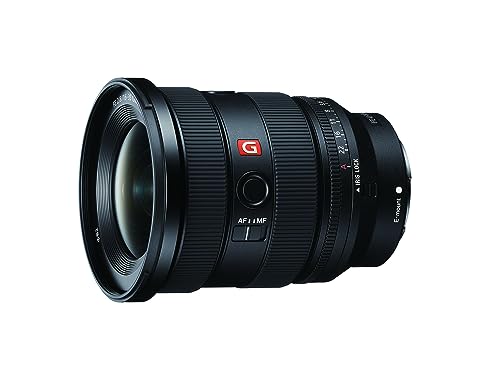
Lens Hoods: Universal, OEM or Wide-Angle Fits
The JJC Rubber Collapsible Lens Hood is the most broadly useful pick since it screws into a standard filter thread and fits many lenses rather than locking to one camera brand. Photographers who want an exact factory fit should match their mount instead, such as the Canon ES-68 for Canon’s EF 50mm f1.8 STM, while wide-angle shooters need the deeper cutaway of the Fotodiox Tulip-Shaped Hood.
The JJC Rubber Collapsible Lens Hood stands out for fitting across many lenses through a standard filter thread rather than locking to a single camera model, with a collapsible rubber body that folds flat for storage. Its main limitation is a generic round shape, which vignettes more easily than a lens-specific petal hood at wide apertures.
We compared published mount type, shape and compatibility specifications across each listing rather than testing vignetting ourselves.
The top picks, ranked

JJC Rubber Collapsible Lens Hood
Rather than matching one specific lens, this rubber hood screws into a standard filter thread size, making it compatible across many different lenses that share that thread diameter. Its collapsible design folds down for storage in a bag pocket, unlike rigid OEM hoods that stay a fixed shape. Soft rubber construction also doubles as light bump protection for the front of the lens.
Pros
- Works across any lens sharing the same filter thread size
- Collapsible design folds flat for easy storage
- Rubber material adds light bump protection to the lens front
Cons
- Generic round shape vignettes more easily than a lens-specific petal hood
- Less rigid protection than a hard plastic OEM hood

Canon ES-68
Designed specifically for the Canon EF 50mm f1.8 STM lens, this petal-shaped hood mounts with a bayonet connection that matches the lens’s filter thread position exactly. Its petal shape clears more of the frame corners than a round hood would, reducing the chance of vignetting on full-frame cameras. Reversing it for storage keeps the lens compact when the hood is not needed.
Pros
- Exact bayonet fit matches the lens’s design without gaps
- Petal shape avoids vignetting better than a generic round hood
- Reverses for compact storage when not needed
Cons
- Only fits one specific Canon lens, not a universal option
- Plastic construction feels less durable than metal third-party hoods
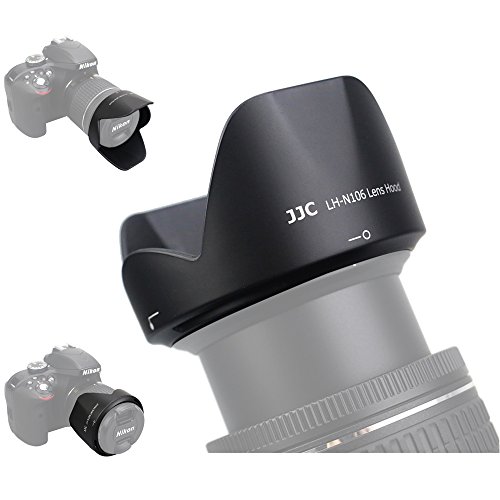
Nikon HB-N106
This OEM hood is built for select Nikon Z-mount lenses, with a bayonet mount that locks securely without the wobble some third-party hoods show. Nikon’s petal design matches the lens’s optical formula to minimize vignetting at wide apertures. A matte interior finish reduces internal reflections that could otherwise introduce flare.
Pros
- Secure bayonet lock avoids wobble found on some third-party hoods
- Matte interior reduces internal reflections and flare
- Matches Nikon’s own optical design for minimal vignetting
Cons
- Only compatible with specific Nikon Z-mount lens models
- Priced higher than generic third-party alternatives

Sony ALC-SH149
Built for select Sony E-mount lenses, this hood uses the same bayonet system as Sony’s own lens caps, so it mounts and removes with a consistent, familiar motion. Its shallow petal shape is tuned to the specific lens it ships with, balancing flare reduction against the risk of vignetting at the widest focal length. Some bundles include a storage pouch, useful since the hood does not reverse onto the lens like Canon’s ES-68 does.
Pros
- Consistent bayonet mount matches Sony’s own lens cap system
- Shallow petal shape balances flare control against vignetting risk
- Included pouch simplifies storage when removed
Cons
- Does not reverse for compact storage like Canon’s ES-68
- Limited to specific Sony E-mount lens models

Altura Photo Rubber Screw-in Lens Hood
This screw-in rubber hood covers the same basic function as the JJC model at a lower typical cost, trading some material refinement for savings. It threads directly into a lens’s filter ring, working across any lens sharing that thread diameter. A folding rubber body collapses for travel, though the rubber itself feels slightly less dense than pricier alternatives.
Pros
- Lower cost than most other universal hoods on this list
- Threads into standard filter sizes across many lens models
- Folds down for compact storage in a bag
Cons
- Rubber feels less dense than the JJC model at a similar design
- Round shape still vignettes more than a dedicated petal hood

Vello Dedicated Lens Hood
Built to match specific camera manufacturer specifications, Vello’s dedicated hoods replace a lost or broken OEM hood at a lower cost than buying direct from Canon, Nikon or Sony. Each model is molded to fit one lens exactly, preserving the vignette protection of the original design. Vello sells versions for a wide range of popular lenses across multiple camera brands.
Pros
- Matches OEM fit and vignette protection at a lower replacement cost
- Available across lenses from multiple major camera brands
- Bayonet mount avoids the fit issues of generic universal hoods
Cons
- Still limited to one specific lens model per hood
- Build material may feel slightly less refined than true OEM plastic

Fotodiox Tulip-Shaped Hood
A tulip-shaped design cuts away more material at the top and bottom than a standard petal hood, clearing the wider field of view that ultra-wide lenses capture. This shape specifically addresses the vignetting that a standard round or shallow petal hood would cause on a wide-angle lens. Fotodiox offers it in multiple thread sizes, extending compatibility across different wide-angle lens models.
Pros
- Tulip cutaway shape reduces vignetting on ultra-wide lenses
- Available in multiple thread sizes for broader compatibility
- Lower cost than most lens-specific OEM wide-angle hoods
Cons
- Not useful for standard or telephoto lenses where petal shape differs
- Screw-in mount can loosen slightly with repeated removal over time
What to look for
What a lens hood actually does A lens hood blocks stray light from entering the lens at an angle, reducing flare and improving contrast in backlit scenes. It also shields the front element from accidental bumps, rain and fingerprints, a secondary benefit alongside its optical role. Shape and mount type decide how well a hood matches a specific lens versus working broadly across several models.
OEM dedicated hoods versus universal screw-in hoods OEM hoods, like the Canon ES-68, Nikon HB-N106 and Sony ALC-SH149, bayonet-mount to match one lens exactly, giving precise vignette control at that lens’s widest aperture. Universal screw-in hoods, like the JJC and Altura Photo models, thread into a standard filter size and work across any lens sharing that diameter. The tradeoff is precision versus flexibility, since a universal hood’s round shape rarely matches a petal-shaped OEM design as closely.
Petal, tulip and round hood shapes explained Petal-shaped hoods, used on the Canon ES-68 and Nikon HB-N106, cut away extra material at the corners to avoid vignetting while still blocking light along the top and bottom edges. Round hoods, like the JJC and Altura Photo models, use a simpler symmetric shape that works across lenses but vignettes sooner on wide lenses. Tulip hoods, like the Fotodiox model, take the petal concept further with deeper cutaways built specifically for ultra-wide focal lengths.
Matching a hood to wide-angle versus standard lenses Standard and telephoto lenses rarely need more than a petal or round hood, since their narrower field of view keeps the corners clear of shadow. Wide-angle and ultra-wide lenses capture enough of the frame edge that a standard petal hood can still clip into the corners, which is where the Fotodiox Tulip-Shaped Hood’s deeper cutaway helps. Checking a lens’s focal length against a hood’s intended range avoids buying a shape that vignettes the exact lens it was meant to protect.
Compared at a glance
| # | Model | Mount type | Best for | Score | Price |
|---|---|---|---|---|---|
| 1 | JJC Rubber Collapsible Lens Hood | Screw-in, filter thread | Best Overall | 8.8 | Check price |
| 2 | Canon ES-68 | Bayonet, lens-specific | Best OEM Fit for Canon EF 50mm f1.8 | 8.9 | Check price |
| 3 | Nikon HB-N106 | Bayonet, lens-specific | Best OEM Fit for Nikon Z Mount | 8.8 | Check price |
| 4 | Sony ALC-SH149 | Bayonet, lens-specific | Best OEM Fit for Sony E Mount | 8.7 | Check price |
| 5 | Altura Photo Rubber Screw-in Lens Hood | Screw-in, filter thread | Best Budget Universal | 8.2 | Check price |
| 6 | Vello Dedicated Lens Hood | Bayonet, lens-specific molds | Best Affordable OEM Replacement | 8.3 | Check price |
| 7 | Fotodiox Tulip-Shaped Hood | Screw-in, filter thread | Best for Wide-Angle Lenses | 8.4 | Check price |
Questions worth asking
Does a lens hood actually improve image quality?
Yes, mainly by blocking stray light that causes flare and reduces contrast. A properly shaped hood like the Canon ES-68 keeps backlit scenes looking cleaner.
Can a universal lens hood replace an OEM one?
For general protection, yes, as with the JJC Rubber Collapsible Lens Hood. For the most precise vignette control at wide apertures, an OEM hood still performs better.
Why are some lens hoods petal-shaped instead of round?
Petal shapes, like the Nikon HB-N106’s, cut away material at the corners where vignetting is less likely while still blocking light along the top and bottom.
Does a lens hood protect against drops and impacts?
It offers some buffer against bumps and scrapes, as with the rubber JJC hood, but it is not designed to protect against a direct hard drop.
Can I use a lens hood with a filter attached?
Most screw-in hoods, like the Altura Photo model, thread onto the filter itself, while bayonet OEM hoods like the Sony ALC-SH149 mount independently of any filter.
Why do wide-angle lenses need a different hood shape?
Their wider field of view captures more of the frame edge, so a standard petal hood can clip into the corners, which the Fotodiox Tulip-Shaped Hood avoids with a deeper cutaway.
Is a collapsible rubber hood as effective as a rigid plastic one?
For light blocking, yes, as with the JJC model. For rigid impact protection, a hard plastic OEM hood like the Canon ES-68 holds up better.
Do third-party lens hoods fit as well as OEM hoods?
Dedicated third-party hoods like the Vello model are molded to match OEM specifications closely, while generic universal hoods fit less precisely by design.
Does a lens hood cause vignetting if it is the wrong shape?
Yes. A round or petal hood built for a narrower lens can clip into the frame corners on a wider lens, which is why wide-angle lenses need a tulip-style hood instead.
The bottom line
The JJC Rubber Collapsible Lens Hood earns the top recommendation for most buyers who want one hood that works across several lenses without matching a single camera brand. Photographers who want the most precise fit and vignette control should choose an OEM hood instead, such as the Canon ES-68 for Canon’s EF 50mm f1.8 STM. Anyone shooting primarily with ultra-wide lenses should skip standard petal hoods and pick the Fotodiox Tulip-Shaped Hood for its deeper cutaway design.
Marcus Chen
Marcus covered consumer electronics for enthusiast tech publications for six years before joining ChoiceCrest. He specializes in translating manufacturer spec sheets into plain-language buying advice, with a focus on audio, computing accessories and smart-home gear.