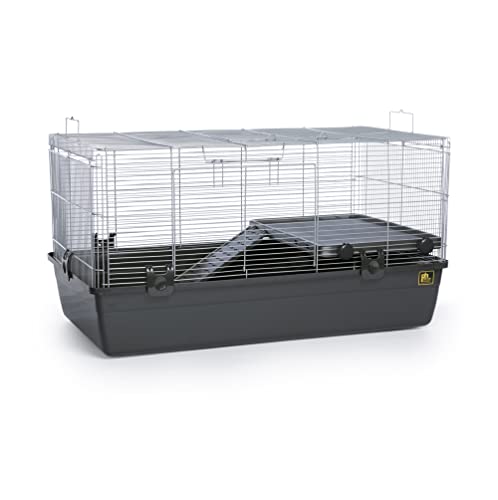
What Makes a Good Play Stand for a Pet Parrot?
Prevue Pet Products Parrot Playstand 3151 covers most medium parrots with a wide base and a slide out tray. Yaheetech Wrought Iron Bird Play Stand handles amazons, greys and hard chewers. Super Bird Creations Java Wood Tree gives feet the irregular surfaces dowels cannot.
Prevue Pet Products Parrot Playstand 3151 fits the widest range of households, from cockatiels to conures. Larger parrots and hard chewers are better served by the Yaheetech Wrought Iron Bird Play Stand. Super Bird Creations Java Wood Tree is the upgrade for owners who care most about foot condition.
Stand shopping goes wrong for two reasons. Species scale changes everything, so a frame that suits a budgie wobbles under a grey, and softwood perches vanish faster than owners expect. We compared perch diameters and materials, tray design, base stability, caster locking and how many bowls or toys each frame accepts. Owner reports on chewing damage and daily cleaning time decided the order.
The top picks, ranked

Prevue Pet Products Parrot Playstand 3151
Cockatiel and conure owners settle on this one more often than any other, thanks to a wide wooden base and a grated tray that slides free. Two stainless cups sit at either end, so meals happen on the stand instead of the furniture. A ladder gives clipped or hesitant flyers a route back up.
Pros
- Base stays planted during heavy flapping
- Grated tray lifts out for daily cleaning
- Stainless cups included at both ends
Cons
- Softwood perch scars under a strong beak
- Undersized for amazons and larger species
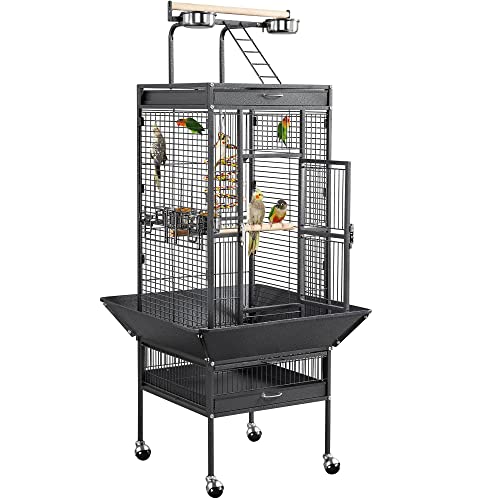
Yaheetech Wrought Iron Bird Play Stand
Wrought iron on four locking casters gives a heavy parrot the rigidity it needs before it will relax and open its wings. Height suits amazons and greys, and the seed guard tray keeps most debris off the floor. Assembly runs long, though the finished frame does not rock.
Pros
- Rigid frame resists rocking under weight
- Casters lock once the stand is positioned
- Wide tray catches seed hulls and droppings
Cons
- Instructions are sparse for the part count
- Too heavy to lift over thresholds easily

Super Bird Creations Java Wood Tree
Java branches change diameter along their length, which keeps a foot moving instead of locked on a uniform dowel. Density is the second benefit, since the wood resists chewing far better than pine. Every unit is cut from natural stock, so branch layout differs from the photo.
Pros
- Varied diameters keep the foot working
- Dense grain slows chewing damage
- Looks like furniture in a living room
Cons
- No tray beneath the branches
- Branch layout varies between units

A&E Cage Company Java Wood Play Stand
A&E mounts taller java sections on a weighted base, giving a big parrot somewhere to travel rather than one spot to sit. Add foraging bowls and hanging toys and it usually becomes the default daytime hangout. Footprint is the catch, so measure the corner before ordering.
Pros
- Real climbing distance for a macaw or cockatoo
- Weighted base stays level under a heavy bird
- Hardwood survives years of beak attention
Cons
- Claims a large share of floor area
- Awkward to reposition once assembled

PawHut Bird Play Stand with Wheels
PawHut pairs a metal frame with wooden perches and a tray, aimed at owners who want the bird in whichever room they are working in. Casters roll cleanly on tile and hardwood, and tray depth handles a day of debris. Scale suits conures and cockatiels rather than the largest species.
Pros
- Repositions in seconds through the day
- Tray covers most of the drop zone
- Assembles with few tools or steps
Cons
- Casters bog down on thick carpet
- Lighter frame flexes more than wrought iron

Penn-Plax Bird Life Wood Playstand
Penn-Plax strips this back to a wooden frame, a perch and two cups, which covers what a smaller bird actually uses. Many owners park it beside the cage as a mealtime station. Budgies, cockatiels and similar species are the right match here.
Pros
- Light enough to carry one handed
- Few parts, so assembly takes minutes
- Narrow footprint beside an existing cage
Cons
- Almost no dedicated toy hanging points
- Softwood gives way under strong chewers
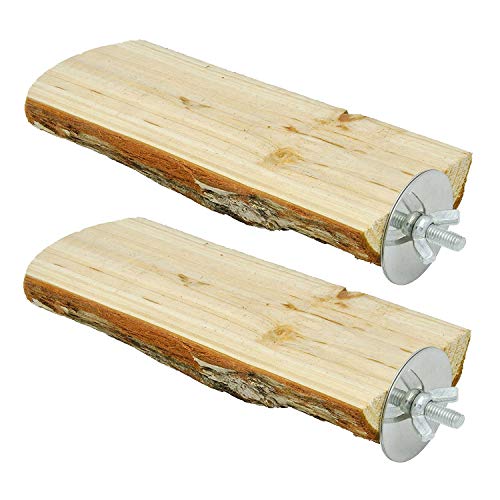
Niteangel Natural Wood Bird Perch Stand
Sitting on a desk or side table, this gives a small bird a legitimate landing spot without surrendering floor space. Apartment keepers and home workers get the most from it. Natural wood is easier on feet than the moulded plastic perch on comparable tabletop frames.
Pros
- Fits a desk or side table
- Wood surface is kinder than plastic
- Wipes clean in one pass
Cons
- No tray, so a mat goes underneath
- Too small for unsupervised hours
The lineup, side by side
| # | Model | Frame material | Best for | Score | Price |
|---|---|---|---|---|---|
| 1 | Prevue Pet Products Parrot Playstand 3151 | Wood with metal fittings | Best overall | 9.4 | Check price |
| 2 | Yaheetech Wrought Iron Bird Play Stand | Wrought iron | Best for large birds | 9.2 | Check price |
| 3 | Super Bird Creations Java Wood Tree | Natural java hardwood | Best for foot health | 9.0 | Check price |
| 4 | A&E Cage Company Java Wood Play Stand | Java hardwood on wood base | Best for climbing room | 8.7 | Check price |
| 5 | PawHut Bird Play Stand with Wheels | Metal with wood perches | Best for moving between rooms | 8.5 | Check price |
| 6 | Penn-Plax Bird Life Wood Playstand | Wood | Best value | 8.2 | Check price |
| 7 | Niteangel Natural Wood Bird Perch Stand | Natural wood | Best budget | 8.0 | Check price |
Before you buy
What should you look for in a bird play stand? Three things decide whether a stand earns its space. Perch diameter has to match the species, since a narrow bar forces a permanent tight grip and a wide one leaves the bird unstable. Frame rigidity comes next, because a stand that shifts when a parrot flaps teaches the bird not to trust it. Cleaning access is third, and it is the one most people underrate. Count toy and bowl mounting points too, as an empty frame gets ignored inside a week.
Wood or wrought iron: which frame suits your bird? Wrought iron wins on stability and takes beak pressure at the joints, which is why amazons, greys and cockatoos usually end up on metal. Wood is lighter, quieter under foot traffic and blends into a living room. Many owners land on a hybrid, an iron frame carrying java or manzanita perches, and that combination solves both problems. Softwood perches on inexpensive frames should be treated as a replaceable part rather than a permanent fixture.
Best play stands for small birds and tight spaces Budgies, canaries and cockatiels do not need a floor standing tower. A tabletop frame beside a desk covers supervised time and takes no room from the household. Look for perches around finger thickness, a wipe clean base and enough weight that the stand does not tip when the bird lands off centre. Where there is no tray, a washable mat underneath handles the mess. Larger frames are not harmful for small species, just partly unused.
Where to put a stand and how to get your bird using it Birds settle on a stand placed where people actually are, and ignore one parked in a spare room. Kitchens are the exception, because overheated non stick cookware releases fumes that kill birds quickly. Keep the frame clear of ceiling fans, open windows and trailing cords. Chest height works better than head height for step ups. Introduce it beside the cage first, hang a familiar toy on it, and offer treats there for a week before expecting long sessions.
Good to know
Do I need a play stand if my bird has a large cage?
Most owners find it worthwhile, because a stand gives out of cage time a defined home base instead of the curtain rail. Supervision gets easier and mess stays in one area. Birds spending several hours outside the cage benefit most.
How do you get a bird to use a new play stand?
Park it near the cage first so it stops reading as a strange object. Clip on a toy the bird already likes, then offer treats on the perch. Owners report acceptance inside a week when the stand is introduced gradually rather than by placing the bird on it.
Wood vs wrought iron play stand: which is better?
Iron gives the rigidity heavy parrots need and shrugs off chewing at the joints. Wood is lighter, easier to move and suits smaller species and living rooms. A metal frame fitted with natural hardwood perches combines the strengths of both.
What size play stand does a cockatiel need?
A compact or tabletop frame with perches around finger thickness covers a cockatiel comfortably. Include a tray or a mat, since daily cleaning is the deciding factor for most owners. Bigger stands cause no harm but often sit half used.
Which play stand suits an African grey or amazon?
Step up to a wrought iron frame or a substantial java tree. Both hold weight without rocking, and both resist the sustained chewing these species apply to any joint they can reach. Softwood perches on lighter frames will not last a season.
Are wheels on a bird stand worth having?
They pay off if the bird follows you between kitchen doorway and office through the day. Locking casters are the requirement, since an unlocked stand rolls when a parrot flaps hard. On thick carpet a stand you can simply lift works better.
How often should a play stand be cleaned?
Wipe the perch and empty the tray daily, because droppings and dropped food build up fast. A fuller wash weekly keeps the frame from staining. A tray liner cuts the daily job to a minute or two.
Can two birds share one play stand?
Sometimes, if they already share cage space peacefully and the stand offers separate perching zones plus duplicate cups. Birds that squabble over resources need one each. A single shared perch concentrates competition into one spot.
Should a play stand be taller than the cage?
Height preference varies by individual, and there is no solid evidence that a high perch creates dominance problems. Practically, chest height makes step ups far less awkward. Very tall stands also put a bird beyond easy reach in an emergency.
The bottom line
Prevue Pet Products Parrot Playstand 3151 fits the most households, being stable, quick to clean and sized for the medium parrots people actually keep. Large birds and committed chewers should go to the Yaheetech wrought iron frame or a java wood tree. Both trade portability for a structure that survives years of beak work.
Olivia Hartley
Olivia spent several years working at an animal shelter and a pet-supply retailer before joining the editorial team. She researches pet gear with an emphasis on safety, comfort and the fine print that owners often miss.