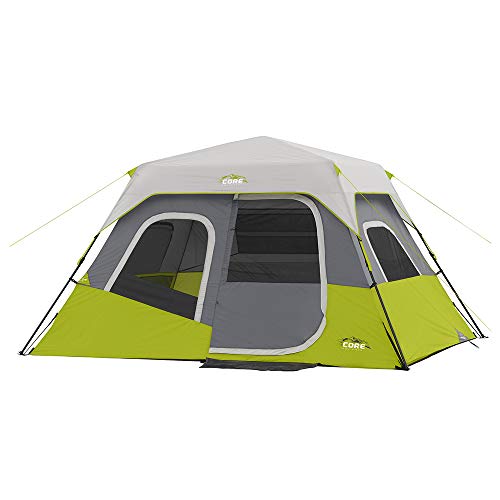
Which Backpacking Tent Balances Weight and Space?
Big Agnes Copper Spur HV UL2 leads because steep walls add usable volume without much weight penalty. REI Co-op Half Dome SL 2+ gives the most floor area for the money. MSR Hubba Hubba 2 earns the durability pick with stouter poles and a deep bathtub floor.
Big Agnes Copper Spur HV UL2 tops this list because it carries like an ultralight tent and sits like a roomier one. Buyers who want the most floor area per ounce of weight penalty should look at the REI Co-op Half Dome SL 2+. Hard mileage and rough sites point to the MSR Hubba Hubba 2.
Choosing gets difficult because weight, interior volume and storm resistance pull in opposite directions. Shaving 10 ounces usually costs headroom, fabric thickness, or a second door. To rank these shelters we compared manufacturer dimensions and pole architecture, fly coverage and door count, then weighed what owners report about pitching speed, condensation and behaviour in wind.
The top picks, ranked
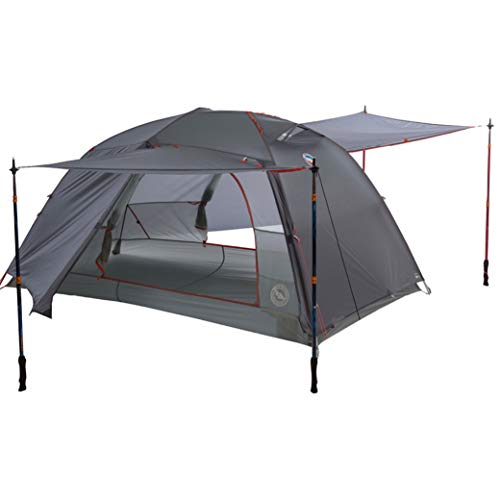
Big Agnes Copper Spur HV UL2
High volume pole geometry pushes the walls outward, so two adults can sit up without leaning into mesh. Both sides get their own door and vestibule, which removes the climb over a sleeping partner at 2am. Owners report a fast pitch and steady behaviour in wind for a tent this light.
Pros
- Steep walls add sitting room without extra poles
- Two doors and two vestibules split gear storage
- Pitches quickly once the pole hub is clipped in
Cons
- Thin canopy fabric needs careful site clearing
- Sits at the top of the category for cost

REI Co-op Half Dome SL 2+
Plus sizing widens the floor and lifts peak height above most tents in this weight class. Colour coded poles and clips remove the guesswork on a first pitch in the dark. Extra fabric and stouter poles add weight, and that trade buys room and forgiveness.
Pros
- Wider floor and higher peak than most rivals
- Colour coding makes the pitch order obvious
- Two vestibules keep packs out of the rain
Cons
- Carries more weight than ultralight options
- Packed bulk eats more pack volume

MSR Hubba Hubba 2
Stouter poles and a deep bathtub floor handle grit, rock and driven rain better than the lightest shelters here. Symmetry front to back means the fly goes on the same way every time, which matters when weather arrives fast. Weight lands in the middle of this group, and durability is what that buys.
Pros
- Pole set and fabrics take rough site abuse
- Deep bathtub floor keeps runoff outside
- Symmetrical shape makes the pitch repeatable
Cons
- Heavier than the ultralight tents listed here
- Interior feels tighter than the Half Dome

NEMO Hornet OSMO 2P
OSMO fabric and a minimal pole set strip this shelter down for long mileage days. Packed size drops small enough to disappear inside a 50 litre pack. Two doors survive the weight cutting, though shoulder room narrows and thin canopy fabric rewards a cleared, stone free site.
Pros
- One of the lowest packed weights in this group
- Compresses small inside a mid size pack
- Keeps two doors despite the weight cutting
Cons
- Shoulder width is snug for two adults
- Thin fabrics demand a carefully cleared site

Big Agnes Tiger Wall UL2
Positioned between the Hornet and the Copper Spur, this tent trades a little volume for a lower carried weight. Solo hikers often use it as a palatial one person shelter with the second side given over to gear. Semi freestanding geometry means the foot end needs stakes before the shape appears.
Pros
- Light enough for long days, roomy enough to relax
- Spacious when used as a solo shelter
- Mesh panels move air well on warm nights
Cons
- Foot end will not stand without stakes
- Ultralight canopy scuffs on rough ground

Sea to Summit Alto TR2
A tension ridge pole lifts the canopy away from the sleepers and opens large mesh panels above head height. Airflow across that gap cuts condensation on humid nights. Learning the pole sequence takes one pitch, after which the design goes up as fast as anything else here.
Pros
- Ridge pole and mesh panels move air across the interior
- Headroom feels open rather than coffin like
- Weight stays low for the volume it creates
Cons
- Pole sequence confuses on the first pitch
- Ridge design has more parts to align
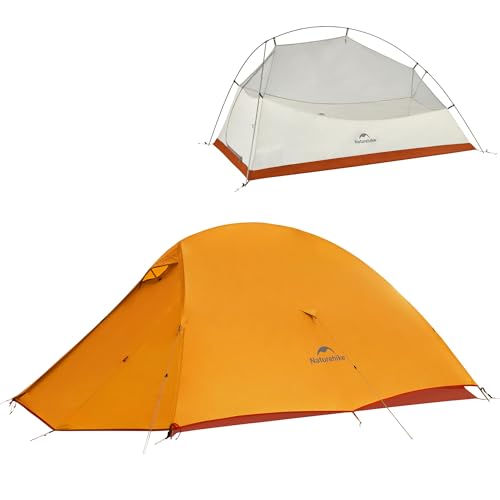
Naturehike Cloud Up 2
A single pole with clips gets this double wall tent standing in a couple of minutes. Weight stays reasonable for the outlay, which makes it a common first backpacking tent. One door and one vestibule mean the inside sleeper climbs over the outside one, and finish quality trails the premium shelters.
Pros
- Double wall construction at an entry level outlay
- Simple pole and clip pitch takes minutes
- Weight stays sensible for weekend trips
Cons
- One door forces climbing over a tent mate
- Floor width is tight for two adult pads
What to look for
What matters most in a backpacking tent? Weight and interior volume set the whole decision, and they pull against each other. Ultralight shelters cut ounces with thinner canopy fabric and fewer pole sections, which narrows shoulder room. Roomier tents restore that space and charge you in pack weight. Work out your typical daily mileage first, then pick the side of that trade you can live with.
Freestanding vs semi freestanding: which should you pick? Freestanding tents hold their shape once the poles are clipped, so they pitch on rock slabs, sand and wooden platforms. Semi freestanding designs drop a pole section to save weight, and the foot end only appears once staked. Sites with thin soil or bare rock favour the freestanding layout. Weight conscious hikers on soft ground can take the saving.
How to judge three season storm protection Fly coverage that reaches close to the ground blocks more driven rain than a short cut fly. Bathtub floors matter because water runs across a site rather than falling straight down. Pole diameter and guy out points decide how a tent behaves in gusts. Owners report that a taut pitch and a sheltered site count for as much as the tent itself.
Doors, vestibules and keeping condensation down Two doors let each person exit without crawling over the other, and two vestibules split wet boots from dry gear. Condensation forms when warm breath meets a cool fly, so vents and mesh do real work. Pitching away from creeks and low hollows helps more than any fabric. Double wall designs handle humid nights better than sealed single wall shelters.
The lineup, side by side
| # | Model | Capacity | Best for | Score | Price |
|---|---|---|---|---|---|
| 1 | Big Agnes Copper Spur HV UL2 | 2 person | Best overall | 9.4 | Check price |
| 2 | REI Co-op Half Dome SL 2+ | 2 person, plus size | Best value | 9.2 | Check price |
| 3 | MSR Hubba Hubba 2 | 2 person | Best for durability | 9.0 | Check price |
| 4 | NEMO Hornet OSMO 2P | 2 person | Best ultralight | 8.8 | Check price |
| 5 | Big Agnes Tiger Wall UL2 | 2 person | Best for solo hikers | 8.6 | Check price |
| 6 | Sea to Summit Alto TR2 | 2 person | Best for ventilation | 8.3 | Check price |
| 7 | Naturehike Cloud Up 2 | 2 person | Best budget | 8.0 | Check price |
Good to know
What should you look for first in a backpacking tent?
Packed weight and usable floor space, because every other feature trades against them. After that, check door count, fly coverage and how the poles pitch. Your typical trip length and terrain decide which way to lean.
How much should a backpacking tent weigh?
Two person shelters commonly land between roughly two and just over four pounds. Ultralight models sit at the low end with tighter interiors. Splitting poles, fly and body between two packs lightens each load.
Is a freestanding or semi freestanding tent better?
Freestanding designs pitch anywhere, including rock and platforms, and reposition easily. Semi freestanding tents save weight but need stakeable ground at the foot end. Pick freestanding for versatility and semi freestanding to cut ounces.
Can two adults really fit in a two person tent?
Two adults fit with pads touching and little room for gear. Many hikers size up to a plus model or use vestibules for packs. Check floor width against your pads before ordering.
Are ultralight backpacking tents worth it?
They pay off on long routes where daily mileage is high. Costs come as thinner fabrics, narrower interiors and more careful site selection. Shorter trips rarely justify the trade.
Do you need a footprint under a backpacking tent?
A footprint is optional but shields the floor from abrasion and punctures. Many hikers use a cut sheet of light polycryo instead of a branded one. On rocky ground the small weight penalty is worth paying.
How do you stop condensation in a tent?
Pitch the fly taut so it never touches the inner, and open both vents when weather allows. Camping away from water and low hollows reduces overnight moisture. Double wall tents cope with humid nights better than single wall shelters.
Which backpacking tent is best for a solo hiker?
A light two person shelter such as the Tiger Wall UL2 gives one person room for gear inside. True one person tents save weight but leave no space to sit out a storm.
Are three season tents good in the rain?
Yes, when the fly is staked out and the site drains. Bathtub floors and full coverage flies handle typical storms. Heavy snow loading calls for a four season mountaineering tent instead.
How long does a backpacking tent last?
Several seasons is common with careful handling, and far longer for heavier fabrics. Storing the tent dry and loose rather than tightly compressed extends its life. UV exposure at high altitude degrades canopy fabric fastest.
Final word
Big Agnes Copper Spur HV UL2 remains the shelter most backpackers should carry, since it stays light without feeling like a bivy sack. Buyers who want more room per ounce of penalty should take the REI Co-op Half Dome SL 2+. Rough sites and long seasons make the MSR Hubba Hubba 2 the tougher answer.
Sierra Daniels
Sierra's background is in landscape design and nursery retail. She focuses on lawn and garden equipment, outdoor furniture and gear durability, weighing published specs against how materials actually hold up outside.