7 4K Camcorders That Capture Sharp, Detailed Video
Sony’s FDR-AX43 wins on balance, pairing steady optical stabilization with a 20x zoom and simple handling. The Panasonic HC-VX981K delivers similar sharpness for less money. Prefer setting exposure and focus yourself? The Canon Vixia HF G50 adds true manual rings.
Three names rise to the top: the Sony FDR-AX43, the Panasonic HC-VX981K, and the Canon Vixia HF G50. Each records sharp 4K, runs for hours, and reaches distant subjects with real optical glass instead of a cropped digital zoom.
Resolution is the least useful spec here, since every model on this list shoots 4K. Handling separates good footage from shaky footage. We compared optical stabilization, zoom range, sensor size and manual controls, then weighed those against what owners report about low light noise, autofocus reliability and battery endurance over long recordings.
The top picks, ranked

Sony FDR-AX43 4K Handycam
Balanced Optical SteadyShot keeps handheld clips smooth, even fully zoomed. A 20x optical range reaches a stage or sideline without cropping the frame. Beginners get automatic modes that just work, while the 3 inch touch panel speeds up framing and playback.
Pros
- Handheld clips stay smooth while walking
- 20x reach covers stages and sidelines
- Automatic modes suit first time users
Cons
- No headphone jack for audio monitoring
- Menu system takes time to learn

Panasonic HC-VX981K 4K Camcorder
A wide angle Leica lens fits more of a room without stepping back, which helps at home and indoors. Panasonic adds 4K photo cropping, so you can pull an 8 megapixel still from recorded footage. Quality tracks pricier rivals closely for far less outlay.
Pros
- Wide Leica lens captures tight indoor spaces
- 4K crop pulls stills from video
- Undercuts most rivals on cost
Cons
- Noise builds as light drops
- Light plastic body feels less rugged
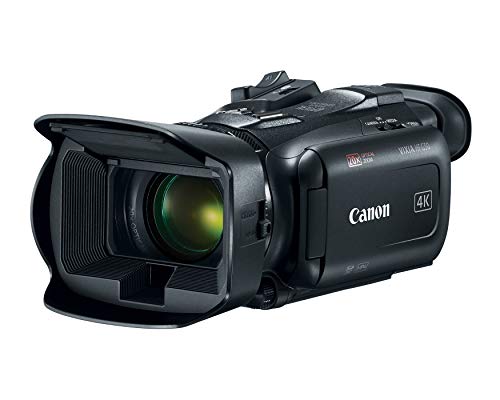
Canon Vixia HF G50 4K Camcorder
Manual focus and exposure rings put creative choices in your hands rather than the automatic system’s. A 1 over 2.3 inch CMOS sensor holds fine detail across the 20x range. Longer shoots stay comfortable thanks to a body sized for a proper grip.
Pros
- Physical rings for focus and exposure
- Detail holds up across the zoom
- Grip suits long handheld sessions
Cons
- Bigger than pocketable travel models
- Manual features carry a learning curve
Sony FDR-AX53 4K Handycam
A larger Exmor R CMOS sensor gathers more light, so dim halls and receptions look cleaner than compacts manage. Balanced Optical SteadyShot smooths walking shots and long zooms alike. Autofocus locks quickly, tracking a moving subject without hunting.
Pros
- Cleaner footage in dim rooms
- Very stable walking and zoomed clips
- Fast autofocus tracks movement
Cons
- Heavier than the AX43
- Interface feels dated next to newer bodies

Panasonic HC-WXF1 4K Camcorder
A second sub camera lives on the flip screen, recording a picture in picture angle alongside the main lens. Weddings and interviews benefit from that reaction shot without a second operator. The primary lens still reaches 24x and an electronic viewfinder aids bright outdoor framing.
Pros
- Captures two angles at once
- 24x reach leads this group
- Viewfinder helps in bright sun
Cons
- Sub camera footage looks basic
- Larger than single lens designs

Canon Vixia HF G70 4K Camcorder
Wireless streaming support suits anyone broadcasting services, lectures or ceremonies live. A 1 over 2.3 inch CMOS sensor keeps output clean for long form recording, and autofocus stays dependable through the 20x range. Reliability matters more than portability for this audience.
Pros
- Built for live streaming events
- Autofocus holds steady over long takes
- Respectable low light for the class
Cons
- Sits at the higher end of the range
- Larger body to transport

Sony FDR-AX700 4K Camcorder
A 1 inch stacked CMOS sensor produces shallow depth and cleaner low light than any smaller chip here. Fast hybrid phase detection autofocus keeps fast action sharp. Creators chasing slow motion get high frame rate capture, though most families will not need this much camera.
Pros
- Large sensor blurs backgrounds cleanly
- Hybrid autofocus nails fast action
- High frame rate slow motion built in
Cons
- Overkill for casual family video
- Shorter optical zoom than the others
How they stack up
| # | Model | Recording | Best for | Score | Price |
|---|---|---|---|---|---|
| 1 | Sony FDR-AX43 4K Handycam | 4K at 30 frames per second | Best overall | 9.3 | Check price |
| 2 | Panasonic HC-VX981K 4K Camcorder | 4K at 24 or 30 frames | Best value | 9.0 | Check price |
| 3 | Canon Vixia HF G50 4K Camcorder | 4K at 30 frames per second | Best for manual control | 8.9 | Check price |
| 4 | Sony FDR-AX53 4K Handycam | 4K at 30 frames per second | Best for stabilization | 8.7 | Check price |
| 5 | Panasonic HC-WXF1 4K Camcorder | 4K at 30 frames per second | Best for multi angle | 8.5 | Check price |
| 6 | Canon Vixia HF G70 4K Camcorder | 4K at 30 frames per second | Best for streaming | 8.3 | Check price |
| 7 | Sony FDR-AX700 4K Camcorder | 4K at 30 frames per second | Best for advanced users | 8.1 | Check price |
How to pick the right one
What makes a camcorder better than a phone Phones shoot clean 4K but stumble on the two jobs that define an event: reaching far and recording long. Optical zoom keeps a distant subject sharp where a phone only crops pixels. Dedicated batteries and heat design let a camcorder film a whole recital without overheating or hitting a storage wall. That combination is why the format survives.
Why stabilization matters most Nothing marks footage as amateur faster than shake. Optical stabilization physically shifts the lens to counter hand movement, which beats digital cropping in every situation. Prioritise it if you film while walking or shoot zoomed in, since both magnify the smallest wobble. Sony’s SteadyShot and similar systems earn their place here.
How zoom range and sensor size trade off Optical zoom reaches a field or stage without losing detail, while sensor size drives low light quality and background blur. Bigger sensors gather more light but usually pair with shorter zoom. Decide which you shoot more often. A grandparent filming from the back row wants reach; a creator wants the larger chip.
What to check for audio and streaming Built in microphones vary widely, and event video lives or dies on sound. A microphone input lets you add a shotgun or lapel mic for interviews. A headphone jack catches audio faults while you record. Anyone broadcasting live should confirm streaming or clean output before buying, since not every model offers it.
Common questions
Is a 4K camcorder better than a phone for events?
For zoom, battery life and hours of continuous recording, yes. A phone matches image quality in good light but cannot zoom optically or film for hours without heat throttling and storage limits stopping it.
What optical zoom range do I need?
For recitals and sports, 20x or more keeps distant subjects sharp. Ignore digital zoom figures, since anything past the optical range just crops the image and throws away detail.
Which 4K camcorder is best for low light?
Larger sensor models handle dim rooms better, so the Sony FDR-AX53 and FDR-AX700 lead here. Smaller compact camcorders still record in low light but show visibly more noise as it darkens.
Can I connect an external microphone?
Several bodies include a microphone input, which transforms interview and event audio. Confirm the specific model first, because the smallest travel camcorders sometimes drop the port to save space.
How much storage does 4K video need?
4K files are large, so a fast high capacity card is essential. Choose one rated for sustained 4K writing, which prevents dropped frames during long unbroken recordings.
Which camcorder works for live streaming?
The Canon Vixia HF G70 is designed with streaming in mind through its wireless connectivity. Some others output over their ports, so verify the streaming features against your platform before buying.
How long does the battery last while recording?
Most run well over an hour on the bundled battery, far past what a phone manages. Carry a spare for full day weddings or tournaments to avoid a mid event stop.
Can these blur the background like a big camera?
Larger sensor models such as the FDR-AX700 create shallow depth more easily. Smaller sensor camcorders keep more of the scene in focus, which many parents actually prefer for family clips.
Is the twin camera on the Panasonic HC-WXF1 useful?
It records a second picture in picture angle at the same time, handy for reactions at weddings and interviews. The sub camera quality is basic, so treat it as a bonus rather than a main feed.
Our pick
Most buyers should start with the Sony FDR-AX43, which balances smooth stabilization, useful 20x reach and beginner friendly handling. Save money with the Panasonic HC-VX981K and lose very little quality. Want polished, deliberate footage? The Canon Vixia HF G50 hands you the focus and exposure rings to control it yourself.
Marcus Chen
Marcus covered consumer electronics for enthusiast tech publications for six years before joining ChoiceCrest. He specializes in translating manufacturer spec sheets into plain-language buying advice, with a focus on audio, computing accessories and smart-home gear.