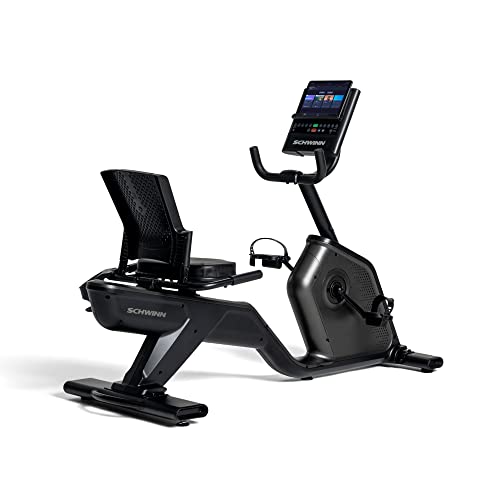
Recumbent Bikes Are Easier on Your Back Than Upright Ones
Choose an upright bike if you want a compact, traditional cycling feel and shorter, more active sessions. Choose a recumbent bike if you prefer a reclined seat with back support for longer, comfortable rides. Uprights save space and feel more like a real bicycle, while recumbents prioritize comfort and stability.
Upright and recumbent bikes are the two most popular styles for the home, and they suit genuinely different riders. The choice is less about which is better and more about which matches your body, your space, and the way you like to ride.
Here is a straight comparison of how they differ, where each one shines, and how to tell which side you fall on before you buy.
The core difference: seating position
Everything else flows from how you sit. An upright bike places you over the pedals in a posture close to a normal bicycle, with the seat above the crank and the handlebars in front. A recumbent bike seats you in a chair like position with a supportive backrest, and the pedals reach out in front of you rather than below.
That single difference changes comfort, footprint, and the feel of every session, which is why it is the first thing to settle.
Comfort and support
Recumbent bikes win on sheer seat comfort for most people. The wide seat and backrest spread your weight and support your lower back, which many riders find makes longer sessions easier to sit through. If you have found upright saddles uncomfortable in the past, a recumbent is worth trying.
Upright bikes use a smaller saddle, which can feel firm at first, though a padded cover or a replacement saddle usually solves that. The upside is a more natural cycling posture that some riders simply prefer.
Footprint and storage
If space is tight, the upright usually wins. It has a smaller floor footprint, and many models fold or roll out of the way. Recumbent bikes are longer because the pedals sit out front, so they take a bigger, more permanent spot in the room.
Measure your available space before deciding, and if a compact footprint is the priority, lean upright. Our guide on how to choose an exercise bike covers sizing in more detail.
Ride feel and intensity
Upright bikes let you rise out of the saddle and lean into harder efforts, which suits interval style and more vigorous sessions. They feel closer to riding outdoors. Recumbents keep you seated and steady, which suits relaxed, sustained riding at a comfortable pace.
Neither limits you to one style of workout, but the position nudges you toward a certain rhythm. Think about whether you want to push hard or settle into a long, easy ride while watching something.
Who each one suits
An upright bike suits riders who want a compact machine, a traditional cycling feel, and the option to work hard. A recumbent suits riders who value comfort, back support, and a stable, seated ride they can stay on for a long time.
- Go upright if: space is limited, you like an active posture, or you want a real bicycle feel.
- Go recumbent if: comfort and back support matter most, or you plan long, relaxed sessions.
Cost, features, and the final call
Both styles span a wide range of prices and features, from simple magnetic models to connected bikes with large screens. Feature for feature they tend to line up closely, so the decision usually comes back to position and comfort rather than the spec sheet.
If you still are not sure the whole idea fits your life, our honest look at whether exercise bikes are worth it helps. When you are ready to shortlist, the best exercise bikes roundup includes both styles, and the wider Fitness guides cover the rest of your setup.
Ready to choose a side?
Upright or recumbent, our picks cover both so you can compare the best of each.
Frequently asked questions
Is an upright or recumbent bike better?
Neither is universally better. Uprights are compact and feel like a real bicycle, while recumbents offer a reclined seat with back support for longer, comfortable rides. The right choice depends on your space, comfort needs, and riding style.
Which bike is more comfortable?
Recumbent bikes are more comfortable for most people thanks to a wide seat and a supportive backrest. Upright bikes use a smaller saddle that can feel firm at first, though a padded cover or replacement saddle usually helps.
Which bike takes up less space?
Upright bikes have a smaller footprint and often fold or roll away, so they win when space is tight. Recumbent bikes are longer because the pedals extend forward, so they need a more permanent spot.
Which is better for intense workouts?
Upright bikes suit intense and interval style riding because you can rise out of the saddle and push harder. Recumbents keep you seated and steady, which favors relaxed, sustained sessions at a comfortable pace.
Can I get a good workout on a recumbent bike?
Yes. A recumbent lets you ride at any pace and adjust resistance to make it as easy or challenging as you like. The seated position simply favors steady, comfortable riding rather than standing efforts.
Do upright and recumbent bikes cost the same?
Both span a similar range from simple magnetic models to connected bikes with large screens. Feature for feature they tend to line up closely, so the decision usually comes down to comfort and position rather than price.
Derek Holt
Derek has a background coaching recreational and amateur athletes and has worked the sales floor at specialty fitness retailers. He focuses on equipment durability, ergonomics and realistic use cases rather than marketing claims.