How Does a Slow Feeder Bowl Actually Prevent Bloat in Dogs?
A slow feeder bowl uses raised ridges, bumps, or a maze-like pattern molded into the bottom that force a dog to eat around and between obstacles instead of gulping a mouthful at once. That slows eating speed and, in turn, reduces the amount of air swallowed along with the food, and air-gulping is one of the recognized contributing factors to the dangerous stomach bloating and twisting condition called GDV, short for gastric dilatation-volvulus.
What’s actually happening when a dog eats too fast
Fast eaters tend to gulp large mouthfuls and swallow air along with the food, a behavior called aerophagia, and that trapped air building up in the stomach is one of several recognized contributors to bloat, alongside large meal size and vigorous exercise right after eating. Dogs that compete with other pets for food, or that have simply always eaten quickly, are the ones most likely to show this pattern at every meal.
How the ridge pattern physically slows eating
The raised sections inside the bowl are spaced so a dog’s tongue and mouth can’t scoop a full mouthful in one motion, instead picking around individual pieces of food, which naturally stretches a meal that might normally take thirty seconds into several minutes. The specific pattern varies by product, some use a simple spiral, others a more complex maze, but the underlying mechanical principle is the same across designs.
What slow feeders don’t fix
They reduce gulping-related air intake, but they don’t address other bloat risk factors like genetics, since deep-chested breeds are more prone regardless of eating speed, or stress, or exercising immediately before or after eating, so a slow feeder is one risk-reduction tool, not a guarantee. Treating one as a complete solution can create a false sense of security around a condition that has multiple independent causes.
Dry kibble versus wet food in a slow feeder
The ridge design works best with dry kibble that a dog has to pick around piece by piece, while wet food or very small kibble can sometimes be licked out from between the ridges almost as fast as from a flat bowl, reducing the slowing effect for some foods. Owners feeding a wet diet sometimes get better results from a puzzle-style feeder instead, which relies less on physical ridges and more on a dog working through compartments.
Breeds most often recommended to use one
Deep-chested, large breeds like Great Danes, German Shepherds, and Standard Poodles are the ones most often associated with bloat risk in veterinary literature, so slow feeders are especially recommended for these dogs, though any fast eater of any size can benefit from eating slower. Even a small breed that gulps its food enthusiastically can develop mild digestive upset from that speed alone, separate from the bloat question.
Other eating-pace tools that work alongside a slow feeder
Elevated bowls are sometimes debated for bloat risk, since some studies have actually linked raised bowls to higher risk in certain breeds, while puzzle feeders and lick mats work on a similar slowing principle as an alternative or supplement to a ridged bowl. Rotating between a couple of these tools can also help prevent a dog from simply learning to out-maneuver one specific pattern over time.

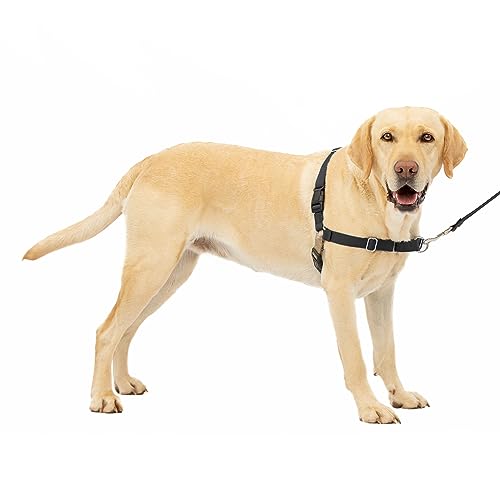
Outward Hound Fun Feeder Slow Feeder Dog Bowl
A ridged slow feeder bowl commonly used to slow down fast eaters at mealtime.
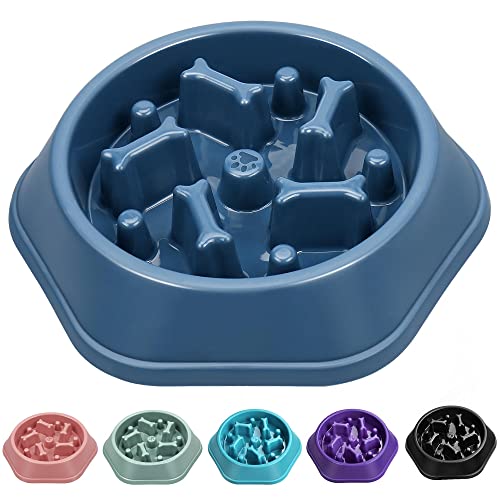
UPSKY Slow Feeder Dog Bowl
A maze-pattern slow feeder bowl designed to extend meal time for dogs that eat quickly.
Common questions
Can a slow feeder bowl completely prevent bloat in dogs?
No, it reduces one contributing factor, gulped air from fast eating, but doesn’t address genetics, stress, or exercise timing, which also play a role.
What breeds are most at risk for bloat and benefit most from slow feeders?
Deep-chested large breeds like Great Danes, German Shepherds, and Standard Poodles are most often cited, though fast eaters of any breed can benefit.
Does a slow feeder work with wet food the same way as dry kibble?
Not quite as effectively, since wet food can sometimes be licked out from between the ridges faster than dry kibble, which has to be picked around.
How much longer does a meal typically take in a slow feeder bowl?
Meals that might take under a minute in a flat bowl often stretch to several minutes in a slow feeder, depending on the dog and the ridge design.
Are puzzle feeders as effective as ridge-pattern slow feeder bowls?
Puzzle feeders can slow eating similarly, often by requiring more problem-solving effort, and some owners use both depending on the dog’s preference.
Can a dog get frustrated or stressed trying to eat from a slow feeder?
Some dogs do show initial frustration, which is why introducing a slow feeder gradually rather than suddenly switching tends to go more smoothly.
Is it safe to switch a puppy straight to a slow feeder bowl?
Yes, many owners start puppies on a slow feeder early, especially if the puppy already shows signs of eating quickly compared to littermates.
Do elevated bowls help or hurt bloat risk compared to slow feeders?
Some research has actually linked elevated bowls to higher bloat risk in certain breeds, which is different from the slowing mechanism a ridged bowl uses.
Can a slow feeder bowl be used for multiple dogs sharing a feeding area?
Each dog generally needs its own bowl regardless of design, since sharing a bowl can still encourage rushed eating from competition between dogs.
How do you clean the ridges and grooves in a slow feeder bowl?
A bottle brush or dish brush reaches into the grooves better than a flat sponge, and dishwasher-safe models make the ridged design easier to keep clean.
Does exercise right after eating increase bloat risk even with a slow feeder?
Yes, vigorous exercise shortly after a meal is a separate risk factor that a slow feeder doesn’t address, so waiting before active play still matters.
Are plastic or stainless steel slow feeder bowls better for daily use?
Stainless steel tends to resist scratching and bacterial buildup better over time, though molded plastic ridge patterns are often more intricate in design.
Can small dogs benefit from slow feeders, or is this mainly for large breeds?
Small dogs that eat quickly can benefit too, even though bloat itself is more strongly associated with larger, deep-chested breeds specifically.
What are the early warning signs of bloat that owners should know regardless?
A swollen, firm abdomen, unproductive retching, restlessness, and sudden distress after eating are signs that warrant emergency veterinary attention immediately.
Do vets generally recommend slow feeders as a standard precaution?
Many vets do recommend them for known fast eaters or at-risk breeds as a simple, low-cost precaution alongside other feeding management practices.
Can a dog eventually learn to eat quickly even from a slow feeder?
Some persistent dogs do adapt over time and find faster ways around a familiar pattern, which is why rotating designs occasionally can help maintain the slowing effect.
Does splitting meals into smaller, more frequent portions help with bloat risk too?
Yes, smaller, more frequent meals are another commonly recommended strategy alongside slow feeders, since large single meals are themselves a separate risk factor.
Is there a minimum age at which a dog should start using a slow feeder?
There’s no strict minimum, though very young puppies just learning to eat solid food may need a simpler bowl until they’re a bit more coordinated.
Can a slow feeder bowl help with weight management as a side benefit?
Yes, slower eating can contribute to better satiety signaling, which some owners find helps with portion control alongside the bloat-related benefit.
Do some slow feeder designs work better for flat-faced breeds than others?
Flat-faced breeds sometimes struggle with very deep or complex ridge patterns, so a shallower, simpler design is often more comfortable for them to use.
Our take
A slow feeder tackles one specific piece of the bloat puzzle, gulped air from fast eating, which makes it a sensible low-effort precaution for a known fast eater, especially a deep-chested breed, without being mistaken for full protection against a condition that has several other contributing causes working alongside eating speed.
Olivia Hartley
Olivia spent several years working at an animal shelter and a pet-supply retailer before joining the editorial team. She researches pet gear with an emphasis on safety, comfort and the fine print that owners often miss.