How Often Should You Replace a Car Seat After an Accident?
Most car seat manufacturers and NHTSA guidance say a car seat involved in anything beyond a very minor fender-bender should be replaced, and several manufacturers specify replacement after any crash at all regardless of how minor it looked, because the internal structure that absorbs impact energy can be compromised in ways that aren’t visible from the outside. The specific criteria for what counts as minor enough to keep vary by manufacturer, so checking your exact seat’s manual matters more than relying on a single universal rule. When your specific seat’s manual and NHTSA’s general guidance disagree, following the stricter of the two is the safer approach.
Why invisible damage is the real concern
A car seat’s shell and foam are engineered to absorb and redistribute crash force once, and that energy-absorbing structure can crack or compress internally during even a moderate impact without any visible crack showing on the outer shell. This is also why a seat that still buckles smoothly and shows no cracks can still have failed its core job of protecting a child in a future crash.
NHTSA’s general minor-crash criteria
NHTSA guidance generally describes a crash as potentially minor enough to keep the seat if the vehicle could be driven away, the door nearest the seat wasn’t damaged, no one in the vehicle was injured, the airbags didn’t deploy, and there’s no visible damage to the seat itself, but typically every one of those conditions has to be true, not just some of them. If even one of those conditions isn’t met, the safer default is to treat the crash as beyond minor regardless of how the rest of the criteria look.
Why manufacturer guidance can be stricter than NHTSA’s
Several car seat manufacturers instruct replacement after any crash at all regardless of severity, specifically because they can’t verify internal structural integrity without destructive testing, so always checking the specific seat’s manual matters more than assuming NHTSA’s general minor-crash criteria apply to every brand. Contacting the manufacturer directly by phone or through their website is a reliable way to get a clear answer when the printed manual language feels ambiguous about a specific situation.
What insurance usually covers
Most auto insurance policies will reimburse a car seat replacement after an accident involving a claim, even a relatively minor one, so cost is rarely the deciding factor once a claim is already being filed. Keeping the receipt and a photo of the damaged or replaced seat can help smooth the reimbursement process if the insurer asks for documentation.
What happens if you keep a compromised seat anyway
A car seat with hidden structural damage may not absorb impact energy correctly in a second crash, which defeats the entire purpose of the seat regardless of how fine it looks or how normally it still buckles and adjusts. There’s no way to visually confirm this risk has passed, which is exactly why guidance leans toward replacement rather than a wait-and-see approach.
Non-crash reasons to replace a car seat anyway
An expiration date printed on the shell, usually somewhere between 6 and 10 years from manufacture, a recall, or simply outgrowing the height and weight limits are separate, more common reasons seats get replaced, but a crash moves up that timeline regardless of the seat’s age. Registering a car seat with the manufacturer when first purchased also makes it easier to be notified directly if a recall is issued later.
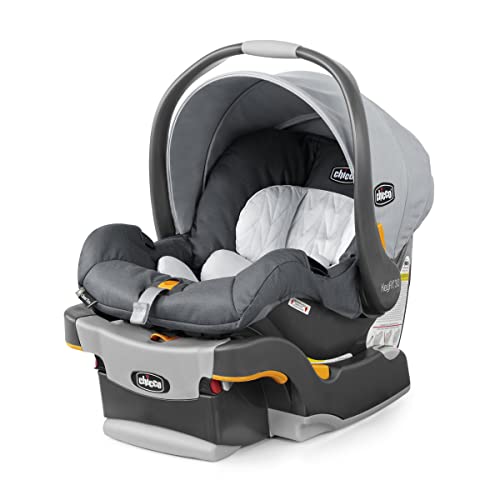
Chicco KeyFit 30 Infant Car Seat
A widely used infant car seat, subject to the same manufacturer crash-replacement guidance printed in its manual as other infant seats.

Graco Extend2Fit Convertible Car Seat
A convertible car seat with extended rear-facing capability, with its own specific crash and expiration guidance detailed in the manual.
Questions worth asking
Does every car crash require replacing the car seat?
Not always, some seats can be kept after a genuinely minor crash that meets specific criteria, but many manufacturers require replacement after any crash regardless of severity.
Will insurance pay for a new car seat after an accident?
Typically yes, if a claim is being filed for the accident, car seat replacement is commonly covered as part of that claim.
How do you know if a crash counts as minor under NHTSA guidance?
NHTSA’s criteria require the vehicle to be drivable, no damage to the door nearest the seat, no injuries, no airbag deployment, and no visible seat damage, all at once, not just one or two of those conditions.
Do all car seat manufacturers follow the same replacement rule?
No, policies vary significantly, some follow NHTSA’s minor-crash allowance while others require replacement after any crash at all.
Can a car seat look fine but still be unsafe after a crash?
Yes, internal foam and shell structure can be compromised without any visible exterior damage, which is the core reason for cautious replacement guidance.
Does a car seat need replacing if the car wasn’t drivable afterward?
Generally yes, an undrivable vehicle after a crash usually indicates a more significant impact than the minor-crash criteria allow for.
Is it safe to use a car seat that was in the car during a crash but wasn’t occupied?
Most guidance still recommends replacement if the crash exceeds minor criteria, since the seat itself could have been impacted or damaged even unoccupied.
Do booster seats need replacing after a crash the same way infant seats do?
Yes, the same general principle applies, structural integrity matters regardless of whether the seat is an infant, convertible, or booster style.
How do you find your specific seat’s crash replacement policy?
Checking the printed manual or the manufacturer’s official website for crash replacement guidance is the most reliable way to confirm the specific policy.
Does a seat need replacing after a low-speed parking lot bump?
It depends on the manufacturer’s specific policy and whether NHTSA’s full minor-crash criteria are met, so this isn’t a one-size-fits-all answer.
Can you get a replacement seat through your insurance claim directly?
Many insurers will reimburse the cost as part of processing a collision claim, though the exact process varies by insurer and policy.
Is there a way to inspect a seat yourself for hidden crash damage?
Not reliably, internal structural damage generally isn’t visible or testable without specialized equipment, which is exactly why manufacturer guidance errs toward replacement.
Do rental cars’ built-in seats follow the same replacement rules?
Any car seat, rented or owned, involved in a qualifying crash should generally be replaced following the same manufacturer or NHTSA guidance.
Does the age of the car seat change the crash replacement decision?
An older seat nearing its expiration date is worth replacing anyway, but a crash moves up the replacement need regardless of how new or old the seat was.
What should you do with the old seat after replacing it?
Many communities and some retailers run car seat recycling or trade-in programs specifically to keep potentially compromised seats out of secondhand circulation.
Can a seat be repaired instead of replaced after a minor crash?
No, car seats aren’t designed to be repaired after impact, replacement is the standard recommendation rather than any kind of structural repair.
Do convertible and infant seats have different crash-replacement thresholds?
Thresholds are generally set by each manufacturer’s own guidance rather than differing systematically by seat type, so checking the specific model’s manual is the reliable approach either way.
Does a seat need replacing if it was in storage, unused, during the accident?
If the seat was in the vehicle during a crash meeting the manufacturer’s replacement criteria, most guidance still recommends replacing it even if no child was in it at the time, since the seat itself could have been structurally affected.
Final word
The safest default is checking your specific seat’s manual rather than guessing based on how the car or the seat looks afterward. When in doubt, and especially if your insurer is already covering the claim, replacing the seat costs far less than finding out its structure failed in a second crash. A new seat is a predictable cost. A seat that fails silently in a second crash is not, which is why most safety guidance errs toward caution rather than convenience.
Rachel Simmons
Rachel previously worked in child-product retail and brings a practical, detail-first eye to gear reviews, focusing on safety standards, ease of use and the fine print that matters most for new caregivers.