Fujifilm X-T5 Review: Is 40MP Worth It on APS-C?
Fujifilm X-T5 leads APS-C resolution with a 40 megapixel sensor, physical dials, and seven stops of stabilization in a compact weather-sealed body. Enthusiast and travel shooters get the most detail money buys in this class. Sony a6700 tracks action better, and Fujifilm X-S20 favors video. Choose X-T5 for stills-first work with strong glass.
Photographers chasing maximum APS-C detail land on the Fujifilm X-T5 first. Its 40 megapixel X-Trans 5 sensor out-resolves every rival in this roundup, and physical shutter, ISO, and exposure dials let you shoot without diving into menus. Film simulations produce color many owners never touch in post.
Choosing a stills-first APS-C body gets tricky once video and tracking enter the picture, because the X-T5 trades some autofocus polish and video depth for that resolution and handling. We compared sensor output, in-body stabilization, burst speed, autofocus tracking, video specs, and price across seven current APS-C cameras, then weighed those against how owners describe real shooting days.
Our top picks

Fujifilm X-T5
Enthusiast and travel photographers who want tactile dials and class-leading APS-C detail find their match here. The 40.2 megapixel X-Trans 5 sensor resolves more than any APS-C rival, while roughly seven stops of in-body stabilization steadies handheld shots. Autofocus tracking still trails Sony and Canon on erratic subjects, so deliberate shooters benefit most.
Pros
- 40.2 megapixels, the most detail in APS-C
- Tactile shutter, ISO, and exposure dials
- Film simulations plus 7-stop stabilization
Cons
- Dense sensor needs sharp lenses and steady hands
- Autofocus tracking trails Sony and Canon

Fujifilm X-H2
Video-leaning shooters who want the same 40 megapixel sensor should look here instead. A deeper DSLR-style grip, fully articulating screen, and 8K video up to 30p separate it from the X-T5. Dedicated shutter and ISO dials disappear in favor of command dials and a top status display.
Pros
- Same 40.2MP sensor with 8K video
- Deeper grip and articulating screen
- Top status display for run and gun
Cons
- Larger and heavier than the X-T5
- Drops the classic dedicated dials
Fujifilm X-S20
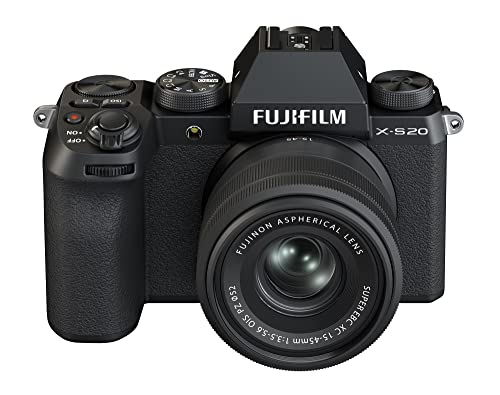
Hybrid shooters and vloggers on a budget gain a mode dial, deep grip, and big battery here. The 26.1 megapixel sensor resolves less than the X-T5, but autofocus and battery life run stronger. Fujifilm color carries over at a noticeably lower price.
Pros
- Strong autofocus and excellent value
- Big battery and articulating screen
- Compact, beginner-friendly body
Cons
- 26MP resolves less than the X-T5
- Mode dial replaces classic exposure dials
Sony a6700
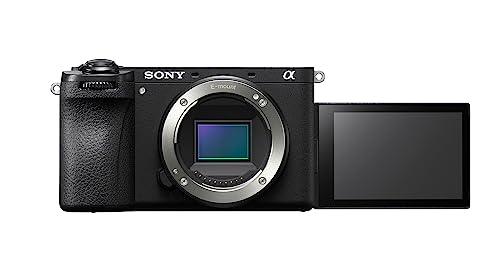
Wildlife, sport, and fast-moving subjects favor this camera’s subject-recognition autofocus over the X-T5’s. A 26 megapixel sensor and in-body stabilization sit inside a compact E-mount body. Resolution and tactile handling still favor Fujifilm, and Sony’s color science stays more neutral than film simulations.
Pros
- Class-leading subject tracking autofocus
- Strong 4K video with controlled rolling shutter
- Large native E-mount lens range
Cons
- 26MP resolves less than the X-T5
- Neutral color lacks film-simulation character

Fujifilm X-T50
Portability matters most to this shooter, who still wants X-T5 level detail. Fujifilm shrinks the same 40.2 megapixel sensor and stabilization into a lighter, cheaper body and adds a film simulation dial. Twin card slots, the larger viewfinder, and full weather sealing stay behind on the X-T5.
Pros
- Same 40.2MP detail in a smaller body
- Dedicated film simulation dial
- Lighter and cheaper than the X-T5
Cons
- Single card slot and smaller viewfinder
- Shallower grip, lighter build

Canon EOS R7
Budget wildlife and sports shooters gain extra telephoto reach from Canon’s 32.5 megapixel crop sensor here. Bursts hit 15 fps mechanical with dependable autofocus tracking. Canon’s native APS-C lens lineup stays thinner than Fujifilm’s, and handling feels less distinctive.
Pros
- Fast bursts, strong autofocus for action
- Extra telephoto reach from the crop sensor
- In-body stabilization plus dual card slots
Cons
- Smaller native APS-C lens selection
- Handling and color less distinctive than Fujifilm

Fujifilm X-T30 II
Newcomers to the Fujifilm system on a tight budget start here. A proven 26.1 megapixel sensor pairs with the same dial-led handling and film simulations in a smaller, cheaper shell. In-body stabilization, weather sealing, and the second card slot get left off.
Pros
- Classic dials and film simulations for less
- Compact and light for travel
- Strong image quality from the 26MP sensor
Cons
- No in-body stabilization or weather sealing
- Single card slot, lower resolution
What matters most
What defines the Fujifilm X-T5 Three things set the X-T5 apart from other APS-C cameras. Its 40.2 megapixel X-Trans 5 sensor out-resolves every rival here, physical shutter, ISO, and exposure-compensation dials replace menu diving, and film simulations turn out finished-looking JPEGs straight from the camera. Around those sit roughly seven stops of stabilization, a three-way tilting screen, twin card slots, and weather sealing in a body lighter than most full-frame competitors.
Who should buy the Fujifilm X-T5 Street, portrait, landscape, and travel photographers who treat shooting as a craft fit this camera best. Physical dials and excellent in-camera color reward slower, deliberate shooting over spray-and-pray bursts. Video creators and anyone tracking fast, erratic action should look at the X-H2 or Sony a6700 instead.
Best Fujifilm alternatives for video, value, and portability Video-first shooters gain 8K and a deeper grip with the X-H2, while the X-S20 trades resolution for a friendlier price and vlogging ergonomics. Anyone chasing the smallest possible kit should compare the X-T50, which keeps the 40 megapixel sensor in a lighter shell. Budget buyers new to Fujifilm get most of the character from the X-T30 II for considerably less.
X-T5 vs Sony a6700: which wins for autofocus and value Sony’s a6700 pulls ahead on subject-recognition autofocus, making it the better pick for wildlife, sport, and unpredictable action. Fujifilm answers with more detail, tactile dials, and color many owners never edit. Canon’s EOS R7 splits the difference, adding reach and fast bursts for less than either at the cost of a thinner native lens range.
Compared at a glance
| # | Model | Sensor | Best for | Score | Price |
|---|---|---|---|---|---|
| 1 | Fujifilm X-T5 | 40.2 MP APS-C X-Trans 5 HR | The camera reviewed | 9.2 | Check price |
| 2 | Fujifilm X-H2 | 40.2 MP APS-C X-Trans 5 HR | Best hybrid alternative | 9.1 | Check price |
| 3 | Fujifilm X-S20 | 26.1 MP APS-C X-Trans 4 | Best value and vlogging alternative | 9.0 | Check price |
| 4 | Sony a6700 | 26 MP APS-C | Best autofocus and action rival | 9.0 | Check price |
| 5 | Fujifilm X-T50 | 40.2 MP APS-C X-Trans 5 HR | Best compact same-sensor pick | 8.9 | Check price |
| 6 | Canon EOS R7 | 32.5 MP APS-C | Best Canon APS-C rival | 8.8 | Check price |
| 7 | Fujifilm X-T30 II | 26.1 MP APS-C X-Trans 4 | Best budget Fujifilm alternative | 8.4 | Check price |
Common questions
Is 40 megapixels too much for APS-C?
Pixel density runs high, so sharp lenses and steady technique matter more than on lower-resolution sensors. High-ISO noise ticks up slightly versus 26 megapixel APS-C bodies. Good glass and good light reward you with real cropping room and fine detail.
What is the difference between the X-T5 and X-H2?
Both share the same 40.2 megapixel sensor. X-T5 keeps classic shutter, ISO, and exposure dials with a three-way tilting screen. X-H2 swaps those for a deeper grip, a top status display, a fully articulating screen, and 8K video. Pick dials and stills with the X-T5, video and grip with the X-H2.
Are Fujifilm film simulations worth it?
Many owners buy the camera for this alone. Color profiles apply in camera, so JPEGs often need no editing. Raw files stay available for full control, meaning nothing gets lost by relying on simulations for quick results.
Is the X-T5 good for video?
It handles 6.2K up to 30p and 4K up to 60p competently, though stills come first in its design. No fully articulating screen limits vlogging angles. Video-focused buyers should compare the X-H2 or X-S20 instead.
How good is X-T5 autofocus for action?
Subject detection covers people, animals, birds, and vehicles reliably for portraits and street work. Fast, erratic subjects still expose a gap versus Sony and Canon’s best tracking. Wildlife and sport shooters chasing high keeper rates should compare the Sony a6700.
Does the X-T5 have image stabilization?
Yes, in-body stabilization rates around seven stops. Handheld shots in low light gain real steadiness, and slower shutter speeds become usable without a tripod. Combined with 40 megapixels, that stabilization helps reveal the sensor’s full detail.
Is the X-T5 weather sealed?
Yes, sealing at multiple body points handles rain, dust, and cold when paired with a weather-resistant lens. That durability separates it from cheaper Fujifilm bodies like the X-T30 II, which skips sealing entirely.
Should I buy the X-T5 or the smaller X-T50?
Both share the same 40.2 megapixel sensor and stabilization. X-T5 adds twin card slots, a larger viewfinder, full weather sealing, and a deeper grip. X-T50 stays smaller, lighter, and cheaper with a film simulation dial. Choose based on durability versus portability.
Which is better for beginners, X-T5 or X-T30 II?
X-T30 II costs considerably less and shares the dial-led handling and film simulations that define the system. It skips in-body stabilization, weather sealing, and the second card slot. Beginners on a budget get most of the Fujifilm experience for less money.
Final word
Fujifilm X-T5 delivers the most detailed APS-C files available today, wrapped in tactile dial-led handling and color that rarely needs editing. Travel, street, portrait, and landscape photographers who value the craft of shooting get real value here. Video, vlogging, or fast action work points instead toward the X-H2, X-S20, or Sony a6700.
Marcus Chen
Marcus covered consumer electronics for enthusiast tech publications for six years before joining ChoiceCrest. He specializes in translating manufacturer spec sheets into plain-language buying advice, with a focus on audio, computing accessories and smart-home gear.


