Do Weighted Vests Slow Down Running Form?
Yes, a weighted vest typically slows your running pace and alters your form, often increasing ground contact time, reducing stride length, and causing a more upright posture. The extra load makes your muscles work harder to stabilize your torso and propel you forward, which can lead to compensations like overstriding or excessive forward lean if the weight is too heavy or poorly distributed. However, with a properly fitted vest and a gradual progression, many runners use them for strength endurance without permanently ruining their form.
What the research says about weighted vests and running mechanics
Studies on weighted vest running show that adding load increases vertical oscillation, ground reaction forces, and muscle activation in the legs and core. A 2018 study in the Journal of Sports Science and Medicine found that running with a weighted vest (10% of body mass) significantly increased ground contact time and reduced stride length, leading to a slower cadence. The body naturally tries to maintain stability by shortening the stride and keeping the center of mass lower, which can feel like a more labored gait.
How the vest changes your posture and stride
The extra weight on your torso shifts your center of gravity forward, prompting you to lean slightly to counterbalance. This often results in a more upright or even backward-leaning posture as you try to keep your chest up. Your stride may become shorter and choppier, and your arms might swing less freely because the vest restricts shoulder movement. Over time, these compensations can reduce running efficiency and increase perceived effort.
When form breakdown becomes a real risk
Form breakdown is more likely if the vest is too heavy (above 10% of body weight for most runners), worn during high-intensity workouts, or used without a base of good running mechanics. Common signs include overstriding (landing with your foot far in front of your hips), excessive hip drop, or rounded shoulders. These can increase injury risk, especially to the lower back and knees. It is wise to start with a lighter vest and focus on maintaining a quick cadence and midfoot strike.
Benefits of training with a weighted vest despite form changes
The intentional overload can strengthen your postural muscles, improve bone density, and boost calorie burn. Many athletes use weighted vests for short, controlled sessions (like hill repeats or walking) to build leg and core strength without the impact of running. When used correctly, the vest can enhance neuromuscular adaptation, but it should not replace sport-specific running form work.
How to choose and use a weighted vest without sacrificing form
Look for a vest that distributes weight evenly around your torso, with adjustable straps to keep it snug. Start with 5-10% of your body weight and use it for 10-20% of your weekly mileage, preferably on easy days or during walking intervals. Always prioritize a quick, light cadence and avoid letting the weight pull you into a slouch. If you notice persistent form issues, reduce the load or consult a coach.
Alternatives for runners who want load without form changes
If your main goal is running performance, other tools like resistance bands, hill training, or plyometrics may offer similar strength benefits without altering your stride. Weighted vests are best as a supplemental tool, not a primary running accessory. For pure strength, consider a weighted backpack or sled pushes, which keep the load closer to your center of mass and allow more natural movement.

RUNFast Weighted Vest
A popular adjustable weighted vest with removable weights, designed for running and walking with a snug fit to minimize bounce.
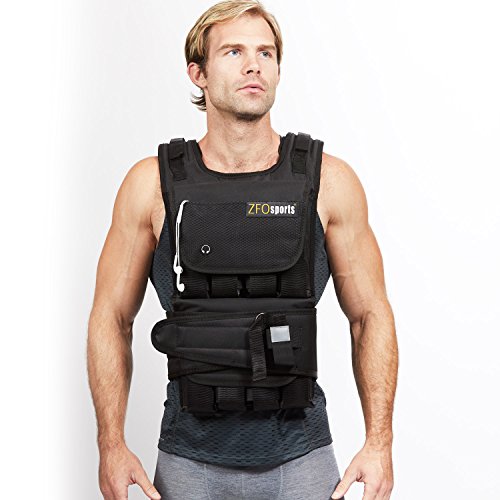
ZFOsports Weighted Vest
A budget-friendly option with fixed weight plates, often used for walking and light jogging, though it may shift during faster runs.
Good to know
How much weight should I start with in a weighted vest for running?
Start with 5-10% of your body weight. For most people, that means 5-15 pounds. Begin with walking or very short jogs and increase gradually over several weeks.
Can a weighted vest cause long-term changes to my running form?
With proper use, the form changes are temporary and reversible. However, chronic overloading or using too heavy a vest can reinforce poor movement patterns, so it is important to use the vest sparingly and focus on good mechanics.
Does running with a weighted vest make you faster when you take it off?
Some athletes experience a slight speed boost after training with a weighted vest due to potentiation, but the effect is individual and not guaranteed. The primary benefits are strength and endurance, not speed.
Is it safe to run with a weighted vest every day?
No, it is generally not recommended. Most experts suggest using a weighted vest 1-2 times per week for 10-20% of your weekly mileage to allow recovery and avoid overuse injuries.
What are the signs that a weighted vest is too heavy?
If you notice excessive forward lean, overstriding, hip drop, or you cannot maintain a quick cadence, the vest is likely too heavy. Reduce the weight and focus on form.
Can a weighted vest help with weight loss?
It increases calorie burn during activity, but the effect is modest. Weight loss primarily depends on diet and overall activity level, not on using a weighted vest.
Do weighted vests improve bone density?
Weight-bearing exercise with a vest can help maintain or improve bone density, especially in the hips and spine, but it should be part of a comprehensive strength program.
How does a weighted vest affect running cadence?
Most runners experience a reduction in cadence (steps per minute) because the extra weight increases ground contact time. Aim to keep cadence as close to your normal as possible to reduce form breakdown.
Are weighted vests better than weighted backpacks for running?
Weighted vests are generally more secure and distribute weight better for running, reducing bounce and discomfort. Backpacks can shift and cause chafing, so vests are preferred for running-specific use.
Can I wear a weighted vest for sprint training?
It is not recommended for sprints because the load can disrupt sprint mechanics and increase injury risk. Reserve the vest for steady-state runs or walking.
What muscles does a weighted vest target during running?
It increases activation in the quadriceps, glutes, calves, and core stabilizers. The added load also challenges the lower back and postural muscles.
Will a weighted vest make my shoulders sore?
If the vest does not fit well or is too heavy, it can cause shoulder and neck discomfort. Look for a vest with padded shoulders and a snug, adjustable fit.
How long should I run with a weighted vest?
Start with 10-15 minutes and gradually build to 30 minutes or more, depending on your fitness and goals. Keep sessions short and controlled to maintain form.
Does running with a weighted vest increase injury risk?
It can if used improperly, such as with too much weight, too often, or without good form. Start light, progress slowly, and listen to your body.
Can a weighted vest help with trail running?
It can simulate the extra weight of a hydration pack or gear, but trail running already adds load. Use a vest sparingly and focus on technical form.
What is the best way to transition to running with a weighted vest?
Begin with walking in the vest, then add short jog intervals. Gradually increase the duration and weight over several weeks while monitoring your form and any discomfort.
Do weighted vests affect your arm swing?
Yes, the vest can restrict shoulder movement, leading to a shorter or altered arm swing. Focus on keeping your arms relaxed and driving them forward and back.
Is it better to use a weighted vest on a treadmill or outdoors?
Both can work, but outdoors offers more varied terrain and natural pacing. A treadmill provides a controlled environment to focus on form, but be mindful of the belt speed.
Can a weighted vest improve my posture when not running?
It can strengthen postural muscles, but the effect is limited to the time spent wearing it. Dedicated strength training is more effective for posture.
Where this leaves you
A weighted vest will almost certainly slow your pace and change your running form, but that does not mean it is bad for you. Used wisely, with light loads and gradual progression, it can be a useful tool for building strength endurance. The key is to prioritize form over weight and to treat the vest as a supplement, not a staple, of your running routine.
Derek Holt
Derek has a background coaching recreational and amateur athletes and has worked the sales floor at specialty fitness retailers. He focuses on equipment durability, ergonomics and realistic use cases rather than marketing claims.


