Do External SSDs Actually Transfer Files Faster Than USB Flash Drives?
External SSDs generally do transfer files faster than typical USB flash drives, particularly for large files or big batches of data, because they use more capable flash memory controllers and often include cache that keeps write speeds high throughout a long transfer. A standard flash drive can feel just as fast for small, quick transfers, but its speed frequently drops noticeably partway through a large file copy in a way a good external SSD’s speed does not. The gap has narrowed with premium high-speed flash drives, but a genuinely well-made external SSD still tends to win on sustained, real-world transfer performance.
What is actually different inside each device
An external SSD and a USB flash drive both store data on flash memory chips, but the controller managing that memory, the amount of cache available, and the overall engineering quality differ significantly between the two categories. SSDs are generally built with more robust controllers designed to sustain high speeds over longer transfers, while flash drives are often built around smaller, simpler and cheaper controllers meant for occasional quick transfers rather than heavy sustained use.
Why sequential transfer speed tells a more honest story than headline numbers
Marketing speed numbers on both SSDs and flash drives are often based on short bursts under ideal conditions, which does not reflect what happens during a real transfer of many gigabytes at once. Sequential write speed, meaning how fast the device can keep writing data continuously without slowing down, is where external SSDs most consistently outperform flash drives on real-world large file transfers.
Why flash drives often slow down partway through a big transfer
Many flash drives lack the dedicated cache memory that lets a controller buffer incoming data efficiently, so once that limited buffer fills up during a large transfer, write speed can drop noticeably for the remainder of the copy. Flash drives are also physically smaller, which limits how much heat they can dissipate, and sustained heavy use can trigger thermal throttling that slows the device down further.
Why having the same USB port speed doesn’t mean the same transfer speed
Both an external SSD and a flash drive might connect through the same USB 3.2 or USB-C port and advertise a similar maximum interface speed, but the port’s maximum speed is just a ceiling, not a guarantee. The actual sustained speed is limited by how fast the storage media and controller inside the device can read and write data, which is where the real-world difference between the two categories shows up.
How premium flash drives have closed some of the gap
High-end flash drives built with better controllers and some onboard cache can approach entry-level external SSD speeds for many everyday tasks, narrowing a gap that used to be much larger. These premium flash drives still tend to fall short of a good SSD on very large sustained transfers, but for typical day-to-day file movement the difference is smaller than it once was.
When a flash drive’s smaller size still makes sense despite being slower
A flash drive’s compact size and lack of a separate cable make it genuinely more convenient for quick, small transfers carried on a keychain or used briefly between computers, even knowing an SSD would finish a big transfer faster. The right choice often comes down to whether portability and convenience matter more than raw sustained speed for how the device will actually be used.
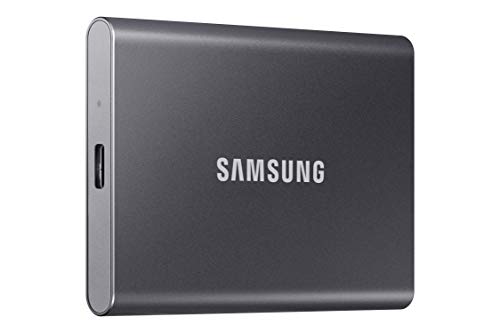
Samsung T7 Portable SSD
A compact external SSD using a capable controller that maintains high write speeds through large, sustained file transfers.

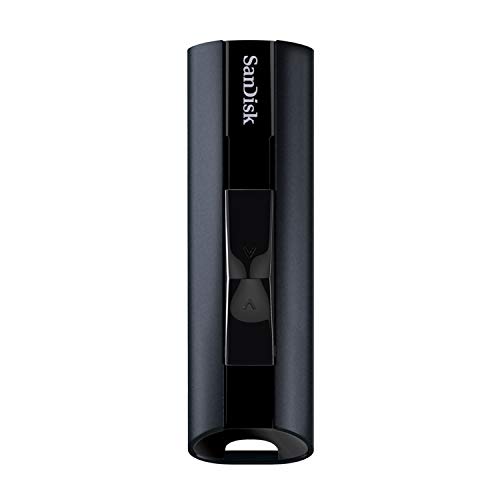
SanDisk Extreme PRO USB 3.2 Flash Drive
A high-performance flash drive built to narrow the gap with entry-level SSDs on everyday transfer speed.
Good to know
Is a USB flash drive ever actually faster than an external SSD for anything?
For very small, quick transfers where burst speed matters more than sustained throughput, a good flash drive can feel just as responsive, though an SSD still generally wins once file sizes get large.
Why does my flash drive slow down partway through copying a big folder?
This usually happens when the drive’s limited cache fills up during the transfer, forcing the controller to write directly to slower flash memory for the remainder of the copy rather than buffering it first.
Does USB-C automatically mean faster transfer speeds than USB-A?
USB-C is a connector shape, not a speed standard by itself, so the actual transfer speed depends on which USB specification the port and device both support, not the connector shape alone.
Can an external SSD wear out from heavy daily transfers the way a flash drive might?
Both use flash memory with a finite number of write cycles, but external SSDs typically use more durable controllers and wear-leveling techniques designed for more frequent heavy use than a basic flash drive is built for.
Do external SSDs need a separate power source like some external hard drives do?
No, most external SSDs draw power directly from the USB connection just like flash drives do, without needing a separate power adapter, since they use far less power than a mechanical external hard drive.
Is NVMe always faster than SATA for external SSDs?
Generally yes in terms of maximum potential speed, but the actual real-world benefit depends on whether the USB connection and host computer can also support that higher NVMe speed, since the slowest link in the chain sets the real limit.
Why do some flash drives get noticeably warm during long transfers?
Flash drives are small with limited surface area to dissipate heat, so sustained heavy data transfer can build up heat that triggers thermal throttling, which further slows the already modest sustained speed.
Does file type affect whether an SSD’s speed advantage over a flash drive actually matters?
Yes. Many small files, like thousands of photos, stress a device’s random access speed and file system overhead more than its sequential speed, while one very large video file stresses sequential speed directly, which is where SSDs show their clearest advantage.
Can I use an external SSD the same way I’d use a flash drive, just plugging and unplugging it casually?
Yes, most external SSDs are designed for the same plug-and-play convenience as a flash drive, though they are usually a bit larger and require a short cable rather than plugging in directly.
Is it worth paying more for an external SSD if I only transfer small documents occasionally?
Probably not necessary. If transfers are small and infrequent, a reliable mid-range flash drive will likely feel just as fast in daily use without the added cost of an SSD’s extra sustained-speed capability.
Does an external SSD’s listed capacity affect its transfer speed?
Sometimes. Certain SSD models use more flash chips in parallel at higher capacities, which can slightly improve sustained write speed compared to the same model at a smaller capacity with fewer chips working together.
Why do some external SSDs include a metal casing while flash drives usually don’t?
Metal casings help external SSDs dissipate heat during sustained transfers more effectively than the plastic housings common on flash drives, supporting the higher sustained speeds SSDs are built to deliver.
Can a flash drive’s advertised maximum speed be misleading compared to an SSD’s?
Yes, advertised peak speeds on flash drives are often burst figures measured under ideal short-duration conditions, which can overstate what the drive sustains during a longer real-world transfer compared to an SSD’s more consistent throughput.
Is reliability different between external SSDs and flash drives, beyond just speed?
External SSDs generally use more robust controllers and better build quality aimed at frequent use, while flash drives, especially cheaper ones, are sometimes built with less durability in mind for occasional lighter use.
The bottom line
For big file transfers and frequent heavy use, an external SSD’s more capable controller and sustained write speed make it the clearly faster and more dependable option. A flash drive still earns its place for quick, casual, pocket-sized transfers, but anyone regularly moving large files is better served by the SSD despite the larger size and higher price.
Marcus Chen
Marcus covered consumer electronics for enthusiast tech publications for six years before joining ChoiceCrest. He specializes in translating manufacturer spec sheets into plain-language buying advice, with a focus on audio, computing accessories and smart-home gear.