Wooden Raised Garden Beds That Actually Last
The Greenes Fence Cedar Raised Garden Bed is our top pick for most gardeners. It is made from rot-resistant cedar, assembles in minutes without tools, and holds up well in harsh weather. Its main drawback is that it is not as deep as some options, so root vegetables may need a taller bed.
Building a raised garden bed from wood is a classic choice for many reasons. Wood blends into the landscape, is easier to work with than metal or plastic, and can be replaced in sections if needed. But not all wooden beds are created equal. Some use rot resistant hardwoods, while others use softer pine that may only last a few seasons.
We rounded up the most popular wooden raised beds currently sold on Amazon. We compared their materials, sizes, assembly methods, and what owners say after years of use. Whether you are planting herbs on a patio or a full vegetable garden, this list points you to the right bed.
What we recommend

Greenes Fence Cedar Raised Garden Bed
This classic cedar bed is a favorite for its simple design and long lasting wood. It is easy to assemble with interlocking corners and no tools required. The natural cedar resists rot and insects, making it a smart investment for serious gardeners.
Pros
- Rot resistant cedar
- No tools needed for assembly
- Sturdy interlocking corners
Cons
- Shallow depth for root crops
- Cedar color fades over time

Yaheetech 2 Tier Wooden Raised Garden Bed
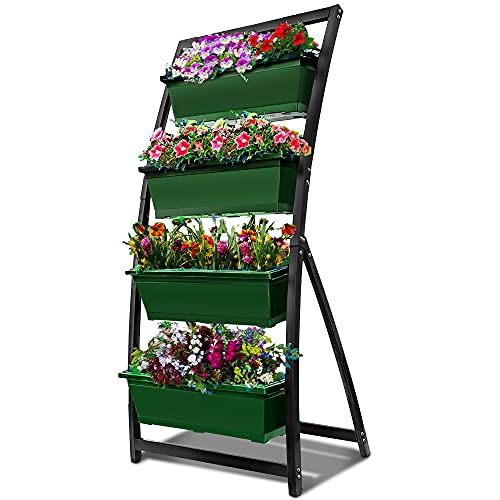
This two tier bed doubles your planting space in a compact footprint. The upper tier is perfect for herbs and strawberries, while the lower bed holds deeper rooted vegetables. Made from fir wood with a protective finish, it is lighter than cedar and easy to move.
Pros
- Vertical planting increases yield
- Compact for balconies or decks
- Easy to move when empty
Cons
- Fir is less durable than cedar
- Screws may loosen over time
Outland Living Cedar Raised Garden Bed
With a height of 11 inches, this cedar bed gives roots plenty of room to grow. The thicker 1.5 inch frames add stability and insulation, protecting plants from temperature swings. Owners appreciate the clean, modern look that fits any backyard.
Pros
- Deeper soil for larger plants
- Thick wood for durability
- Attractive design
Cons
- Heavier and harder to move
- Price is higher than average

Garden in Minutes Wood Raised Garden Bed
This cedar bed snaps together in under five minutes with no tools. The unique corner brackets clamp the boards securely, so you can set it up right out of the box. It comes with a weed barrier fabric to keep soil in place and prevent weeds.
Pros
- Very fast setup
- Includes weed barrier
- Cedar naturally resists rot
Cons
- Limited size options
- Corners may not be as rigid
Juegoal Acacia Wood Raised Garden Bed
Acacia wood is naturally dense and water resistant, making it a great alternative to cedar. This bed features a slatted design that adds a decorative touch to your garden. The bottom is open, allowing excess water to drain while preventing soil loss.
Pros
- Dense wood resists moisture
- Beautiful slatted look
- Good depth for most vegetables
Cons
- Assembly takes longer
- May need extra sealing

Best Choice Products 4x2x1 Raised Garden Bed
Made from fir wood, this raised bed is an affordable entry into gardening. The simple rectangular design is easy to assemble with included hardware. While fir is not as durable as cedar, it can last several seasons if treated with a sealer.
Pros
- Low price point
- Simple, classic shape
- Plenty of depth
Cons
- Wood may warp or crack
- Not rot resistant

Keter Urban Bloomer 2 Tier Wooden Look Planter
This planter looks like wood but is made from durable resin that never rots or fades. The two tier design offers vertical planting space on a small footprint. It includes a self watering reservoir that reduces watering frequency.
Pros
- No rot or insect damage
- Self watering system
- Very lightweight
Cons
- Not real wood
- Smaller planting area
The lineup, side by side
| # | Model | Material | Best for | Score | Price |
|---|---|---|---|---|---|
| 1 | Greenes Fence Cedar Raised Garden Bed | Cedar wood | Overall best cedar bed | 9.4 | Check price |
| 2 | Yaheetech 2 Tier Wooden Raised Garden Bed | Fir wood | Small spaces and patios | 8.9 | Check price |
| 3 | Outland Living Cedar Raised Garden Bed | Cedar wood | Deep root vegetables | 9.1 | Check price |
| 4 | Garden in Minutes Wood Raised Garden Bed | Cedar wood | Quick assembly | 9.0 | Check price |
| 5 | Juegoal Acacia Wood Raised Garden Bed | Acacia wood | Elegant appearance | 8.7 | Check price |
| 6 | Best Choice Products 4x2x1 Raised Garden Bed | Fir wood | Budget friendly | 8.4 | Check price |
| 7 | Keter Urban Bloomer 2 Tier Wooden Look Planter | Resin (wood look) | No maintenance | 8.2 | Check price |
How to pick the right one
Questions worth asking
What is the best wood for a raised garden bed?
Cedar is the most popular because it is naturally rot resistant and lightweight. Acacia is also excellent and often more durable. Pine and fir are cheaper but require treatment to last.
How deep should a wooden raised garden bed be?
For most vegetables, 8 to 12 inches is sufficient. If you are growing root crops like carrots or potatoes, go deeper, at least 12 inches. Taller beds also reduce bending.
Can I put a wooden raised bed directly on grass?
Yes, but you should remove the grass first or layer cardboard underneath to prevent weeds. The bed will also drain better if placed on soil rather than pavement.
Do I need to line the inside of a wooden raised bed?
Lining is optional but recommended. It helps keep soil from washing out and slows wood decay. Use a breathable landscape fabric or plastic liner with drainage holes.
How long will a cedar raised bed last?
With proper care, a cedar bed can last 10 to 15 years. Sealing it annually and keeping it off the ground can extend its life.
Are wooden raised beds safe for growing vegetables?
Yes, as long as the wood is untreated or has a food safe finish. Cedar and acacia are naturally safe. Avoid pressure treated wood made before 2003, which may contain arsenic.
Which is better for raised beds: cedar or acacia?
Both are excellent. Cedar is lighter and easier to assemble, while acacia is denser and often more water resistant. Acacia may last longer but is usually more expensive.
Can I assemble a wooden raised bed by myself?
Most small beds can be assembled by one person in under an hour. Larger beds may require two people to hold panels in place while screwing.
Do wooden raised beds need to be anchored to the ground?
Anchoring is not always necessary, but it is recommended for tall beds or areas with strong winds. Many beds come with stakes or you can use ground screws.
What is the best size for a beginner raised bed?
A 4×4 foot bed is a good starting point. It is manageable, fits in most yards, and allows you to reach the center from all sides. You can always add more beds later.
The bottom line
For most gardeners, the Greenes Fence Cedar Raised Garden Bed is the best choice because it balances durability, ease of assembly, and price. If you need a deeper bed for root vegetables, the Outland Living Cedar Bed is worth the extra cost. For a budget option, the Best Choice Products bed is fine for short term use, but expect to replace it sooner.
Sierra Daniels
Sierra's background is in landscape design and nursery retail. She focuses on lawn and garden equipment, outdoor furniture and gear durability, weighing published specs against how materials actually hold up outside.