Self-Watering Garden Beds That Save Time and Keep Plants Happy
The best self-watering garden bed for most people is the Gronomics Cedar Elevated Planter because it combines a classic cedar look with a simple and effective sub-irrigation system. This bed is great for gardeners who want a durable, attractive planter that reduces watering frequency by up to 50%. Its main limitation is that the cedar will weather to a gray patina over time unless sealed.
Self-watering garden beds use a reservoir at the base to deliver water to plant roots as needed. This cuts down on daily watering chores and helps plants survive busy weekends or hot spells.
We looked at designs that are sturdy, easy to set up, and work well for vegetables, herbs, or flowers. The following seven options are currently sold on Amazon and range from compact patio planters to large raised beds.
The shortlist, ranked

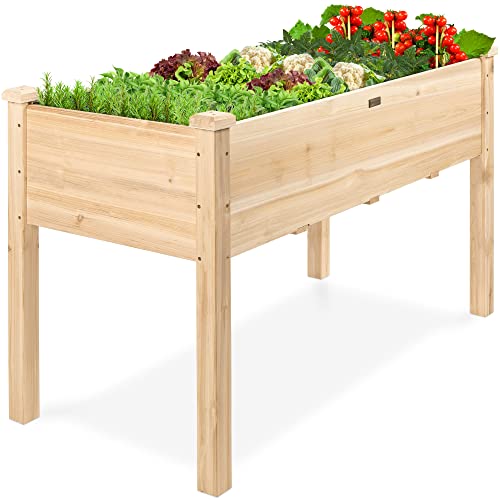
Gronomics Elevated Cedar Planter with Self-Watering Insert
This elevated cedar planter brings gardening to a comfortable height and includes a self-watering insert that holds up to 2.5 gallons. The wood is naturally rot-resistant, and the raised design helps deter pests. Owners report easy assembly and that it looks great on a deck or patio.
Pros
- Sturdy cedar withstands weather
- Elevated height reduces bending
- Reservoir visible for easy refill
Cons
- Wood may gray over time
- Shipping weight is heavy
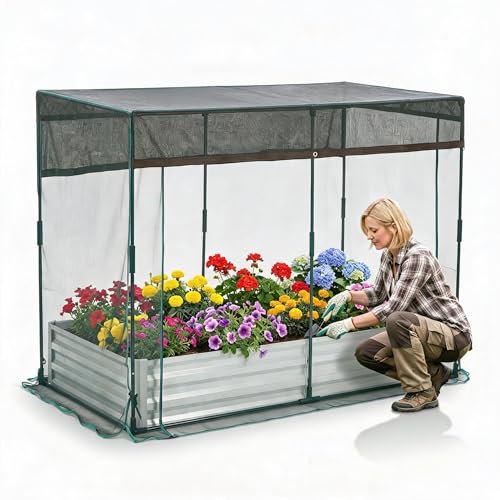
Bedner Self-Watering Raised Garden Bed (4x2x1)
This galvanized steel raised bed features a built-in water reservoir and a wicking system that pulls moisture upward. The 8-inch depth is suitable for shallow-rooted veggies. It comes in a modular design that you can expand.
Pros
- Rust-resistant steel
- Large reservoir keeps soil moist longer
- Modular panels allow expansion
Cons
- Sharp edges possible during assembly
- Soil may dry out if wick not primed

Keter City Self-Watering Elevated Planter
Made from weather-resistant resin, this elevated planter includes a water reservoir and an overflow hole to prevent overwatering. Its sleek design fits neatly on small balconies. The wheels make it easy to move.
Pros
- Lightweight and portable
- Wheels for easy relocation
- Does not rot or fade
Cons
- Plastic may feel less premium
- Limited depth for deep-rooted plants
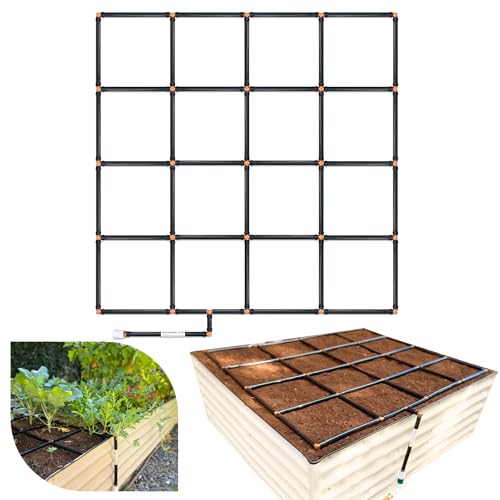
Garden in Minutes Self-Watering Raised Garden Bed (4×4)
This kit comes with a fabric liner, a water reservoir mat, and a soil meter. The galvanized steel sides are durable, and the sub-irrigation system uses capillary action to water plants. It is designed for square foot gardening.
Pros
- Clear instructions for beginners
- Soil meter helps monitor moisture
- Large reservoir covers a big area
Cons
- Shallow depth (8 inches)
- Fabric liner may need replacement over time

GrowBox Self-Watering Planter (Large, 8 Gallon)
The GrowBox uses a patented sub-irrigation system with a fertilizer cover to feed plants with every watering. It is a popular choice for growing tomatoes, peppers, and other heavy feeders. The large reservoir reduces watering frequency to about once a week.
Pros
- Fertilizer cover included
- Deep reservoir supports strong roots
- Portable enough to move
Cons
- Plastic may crack if dropped
- Fill tube can be tricky to access

Fimily Self-Watering Stackable Garden Bed
This stackable planter lets you grow herbs and greens in three tiers, each with its own water reservoir. The space-saving design is ideal for small yards or balconies. It is made of food-safe plastic and includes a water level indicator.
Pros
- Saves horizontal space
- Each tier has separate reservoir
- Water level indicators on all tiers
Cons
- Not suitable for large plants
- Upper tiers may shade lower ones
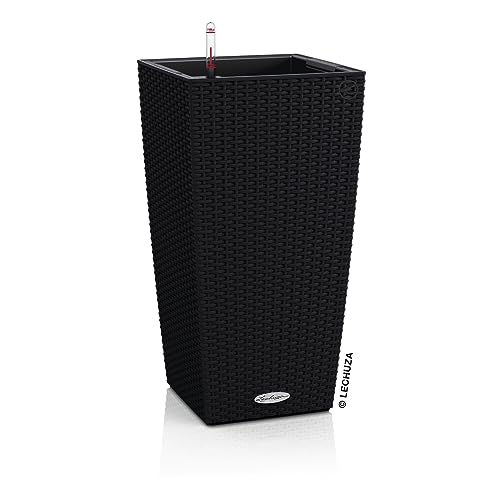
Lechuza Cubico Cottage Self-Watering Planter
This German-engineered planter features a sleek, modern cube design with a self-watering system that uses a float to maintain optimal moisture. It is suitable for both indoor and outdoor use, and its UV-resistant material prevents fading.
Pros
- Elegant design
- Water level indicator
- Durable against weather
Cons
- Higher price point
- Smaller footprint for large gardens
Compared at a glance
| # | Model | Material | Best for | Score | Price |
|---|---|---|---|---|---|
| 1 | Gronomics Elevated Cedar Planter with Self-Watering Insert | Western red cedar | Best overall for cedar durability and classic look | 9.4 | Check price |
| 2 | Bedner Self-Watering Raised Garden Bed (4x2x1) | Galvanized steel | Best for large vegetable gardens | 9.1 | Check price |
| 3 | Keter City Self-Watering Elevated Planter | Resin | Best for patios and balconies | 8.8 | Check price |
| 4 | Garden in Minutes Self-Watering Raised Garden Bed (4×4) | Galvanized steel | Best for beginner gardeners | 8.7 | Check price |
| 5 | GrowBox Self-Watering Planter (Large, 8 Gallon) | Plastic | Best for tomatoes and peppers | 8.5 | Check price |
| 6 | Fimily Self-Watering Stackable Garden Bed | Food-safe plastic | Best for vertical gardening | 8.3 | Check price |
| 7 | Lechuza Cubico Cottage Self-Watering Planter | UV-resistant plastic | Best for modern decor and indoor-outdoor use | 8.0 | Check price |
What matters most
Common questions
How often do I need to refill a self-watering garden bed?
Most self-watering beds need refilling every 4 to 7 days, depending on plant size, weather, and reservoir capacity. Some larger reservoirs can last up to two weeks. You can check the water level indicator to see when it is low.
Can I use self-watering beds for all types of plants?
They work well for most vegetables, herbs, and flowers. However, plants that prefer dry conditions, like succulents or cacti, may not do well because the soil stays consistently moist. For such plants, use a regular planter with well-draining soil.
Do self-watering beds cause root rot?
If the system is designed correctly, the soil above the reservoir does not become waterlogged. The wicking action pulls water up only as needed. Overwatering can occur if the reservoir is too full or if the soil is compacted. Ensure there is an overflow hole and use a well-aerated potting mix.
Are self-watering garden beds worth the investment?
They are worth it for gardeners who travel frequently, have busy schedules, or live in hot climates. They reduce water usage and help plants thrive with less stress. While they cost more upfront, the convenience and health benefits often outweigh the initial price.
Can I use regular potting soil in a self-watering bed?
Yes, but it is best to use a potting mix that contains perlite or coco coir to improve aeration and wicking. Garden soil is too heavy and may compress, blocking water movement. Many self-watering bed manufacturers recommend specific mixes.
How do I winterize a self-watering garden bed?
In freezing temperatures, drain all water from the reservoir and disconnect any hoses. For wooden beds, apply a sealant if needed. Store removable parts indoors if possible. Some plastic beds can stay outside but may crack if water freezes inside.
Do I still need to fertilize plants in a self-watering bed?
Yes, you still need to fertilize. Since water is delivered from below, water-soluble fertilizers added to the reservoir will reach the roots. However, be careful not to over-fertilize. Some systems, like the GrowBox, include a fertilizer cover that slowly releases nutrients.
How deep should a self-watering bed be for tomatoes?
Tomatoes have deep roots, so a bed at least 12 inches deep is recommended. Some models, like the GrowBox, have a 12-inch depth that works well. You can also choose a raised bed with a deeper reservoir, but the total soil depth should be around 12 inches.
Our pick
For most gardeners, the Gronomics Elevated Cedar Planter offers the best balance of durability, aesthetics, and function. If you need a larger growing area, the Bedner Self-Watering Raised Garden Bed is a solid choice for vegetables. For small patios, the Keter City planter is practical and portable. Avoid the Lechuza if you are on a tight budget, as its design premium drives up the cost.
Sierra Daniels
Sierra's background is in landscape design and nursery retail. She focuses on lawn and garden equipment, outdoor furniture and gear durability, weighing published specs against how materials actually hold up outside.