Portable Power for Raised Beds: Top Picks for Gardeners
The Greenworks Pro 80V is our top pick for most gardeners because it combines cordless convenience with enough torque to dig through compacted soil in raised beds. Its main limitation is the higher upfront cost for battery and charger, which may not suit casual gardeners.
Raised beds are a joy to garden in, but keeping the soil loose and weed-free requires the right tool. A bulky tiller is overkill and can damage the bed’s structure. Portable cultivators and tillers are the answer, offering precision and ease in tight spaces.
We compared seven of the most popular portable options on the market. Our focus is on real-world usability, battery life, and how well each handles the unique challenges of raised bed gardening. Whether you have a small balcony bed or a sprawling vegetable garden, there’s a portable tool here for you.
The shortlist, ranked

Greenworks Pro 80V Cordless Cultivator
This cordless cultivator offers powerful tilling without the hassle of cords or gas. It features an 8-inch tilling width and 4 tines that dig deep to break up soil. The 80V battery provides long runtime, and the adjustable tines allow for varying depths. Owners praise its ease of use and minimal vibration.
Pros
- No cords or gas, instant start
- Long battery life for larger beds
- Adjustable tilling depth for versatility
Cons
- Battery and charger sold separately
- Higher initial investment

Sun Joe TJ603E 16-Inch Electric Tiller
The Sun Joe TJ603E is a corded electric tiller that offers a wide 16-inch tilling path, making quick work of larger raised beds. It weighs only 13 pounds, so it’s easy to maneuver. The 6.5-amp motor handles average soil, and the foldable handles make storage simple. Owners appreciate the value for the price.
Pros
- Affordable and effective
- Wide tilling width saves time
- Lightweight and foldable for storage
Cons
- Cord limits range and can be a trip hazard
- Not suitable for heavy or rocky soil
Mantis 4-Cycle Gas Tiller Cultivator
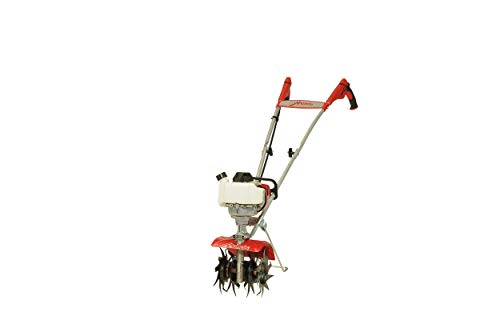
The Mantis gas tiller is a classic choice for serious gardeners. Its patented serpentine tines dig 10 inches deep and 9 inches wide, breaking up hard soil with ease. The 4-cycle engine is fuel-efficient and doesn’t require mixing oil. It’s heavier than electric models but offers unmatched freedom and power.
Pros
- No cords or battery recharge time
- Digs deep to break up compacted soil
- Durable construction for years of use
Cons
- Noisier and requires fuel
- Heavier and more vibration

Earthwise TC70001 7-Inch Corded Electric Cultivator
This compact cultivator is perfect for small raised beds and containers. It has a narrow 7-inch tilling width and weighs just 7 pounds, making it incredibly easy to handle. The 7.5-amp motor is surprisingly powerful for its size. Owners like how it fits into tight corners.
Pros
- Very lightweight and easy to maneuver
- Ideal for small spaces and narrow beds
- Budget-friendly price
Cons
- Cord restricts movement
- Not powerful enough for thick sod

Ryobi 18V ONE+ Cordless Cultivator
If you own Ryobi 18V tools, this cultivator is a no-brainer. It shares the same battery platform, saving money and space. It offers a 9-inch tilling width and up to 5-inch depth. The battery life is decent for average use, and the handle is comfortable. Owners appreciate the integration.
Pros
- Shares batteries with other Ryobi tools
- Lightweight and easy to use
- Good for routine soil aeration
Cons
- Battery not included
- Less power for heavy soil

Black+Decker 7.5 Amp Electric Cultivator
This corded cultivator is straightforward and effective. It has a 7.5-amp motor that powers a 14-inch tilling width, making it efficient for medium beds. The handle is adjustable, and the tines are durable. Owners report it works well for turning soil and mixing compost.
Pros
- Wide tilling width for efficiency
- Adjustable handle for comfort
- Affordable and reliable
Cons
- Cord can be inconvenient
- Not as maneuverable in tight corners

Yardmax TY4322 4-Stroke Gas Cultivator
The Yardmax is built for tough jobs. Its 43cc 4-stroke engine delivers robust power, and the steel tines are designed to last. It has a 13-inch tilling width and can dig up to 6 inches deep. While heavier than others, it offers exceptional performance for demanding gardeners.
Pros
- Heavy-duty build withstands rough use
- Powerful engine tackles tough soil
- Wide tilling path covers ground quickly
Cons
- Heavy and harder to maneuver
- Requires more maintenance
The lineup, side by side
| # | Model | Power Source | Best for | Score | Price |
|---|---|---|---|---|---|
| 1 | Greenworks Pro 80V Cordless Cultivator | 80V Lithium-ion battery | Best overall for most raised bed gardeners | 9.4 | Check price |
| 2 | Sun Joe TJ603E 16-Inch Electric Tiller | Corded electric (6.5 amp) | Best for budget-conscious gardeners with access to an outlet | 8.8 | Check price |
| 3 | Mantis 4-Cycle Gas Tiller Cultivator | 4-cycle gas engine | Best for gardeners who need serious power without cords | 9.1 | Check price |
| 4 | Earthwise TC70001 7-Inch Corded Electric Cultivator | Corded electric (7.5 amp) | Best for small raised beds and tight spaces | 8.5 | Check price |
| 5 | Ryobi 18V ONE+ Cordless Cultivator | 18V ONE+ battery (not included) | Best for those already invested in the Ryobi 18V battery system | 8.9 | Check price |
| 6 | Black+Decker 7.5 Amp Electric Cultivator | Corded electric (7.5 amp) | Best for simple, no-fuss cultivation | 8.2 | Check price |
| 7 | Yardmax TY4322 4-Stroke Gas Cultivator | 4-stroke gas engine, 43cc | Best for commercial-grade durability | 8.7 | Check price |
What to look for
Questions worth asking
Can I use a regular tiller on a raised bed?
You can, but it may be too heavy and wide, risking damage to the bed’s frame. Portable cultivators are designed to be lighter and more maneuverable.
What is the best tilling depth for a raised bed?
Most raised beds are 12 to 18 inches deep. Tilling to a depth of 4 to 6 inches is sufficient for mixing amendments and loosening soil without disturbing deeper layers.
Are cordless cultivators powerful enough for raised beds?
Yes, modern cordless models with high voltage batteries (e.g., 40V or 80V) can handle typical raised bed soil. They are ideal for routine cultivation.
How often should I till my raised bed?
It is not necessary to till every season. Tilling once a year or when amending soil is sufficient. Over-tilling can disrupt soil structure and beneficial organisms.
Can I use a cultivator to remove weeds in a raised bed?
Yes, cultivators are excellent for weeding. They churn the top few inches of soil, uprooting weeds without harming the plants’ roots.
What safety precautions should I take when using a cultivator?
Always wear safety glasses and sturdy shoes. Keep hands and feet away from the tines. If using a corded model, use a GFCI outlet and keep the cord away from the tines.
How do I clean and store my cultivator?
Remove soil from the tines after each use. For electric models, wipe down the motor housing. For gas models, run the engine dry or use fuel stabilizer. Store in a dry area.
What is the difference between a cultivator and a tiller?
Cultivators are lighter and meant for weeding and aerating the top layer of soil. Tillers are heavier and designed to break new ground or dig deeper. For raised beds, a cultivator is usually sufficient.
The verdict
For most gardeners, the Greenworks Pro 80V is the best investment due to its cordless convenience, solid power, and adjustable depth. If you have a small budget and an outlet nearby, the Sun Joe is a great value. For those with heavy clay or compacted soil, the Mantis gas tiller will save you time and effort. Choose based on your specific needs and physical comfort.
Sierra Daniels
Sierra's background is in landscape design and nursery retail. She focuses on lawn and garden equipment, outdoor furniture and gear durability, weighing published specs against how materials actually hold up outside.