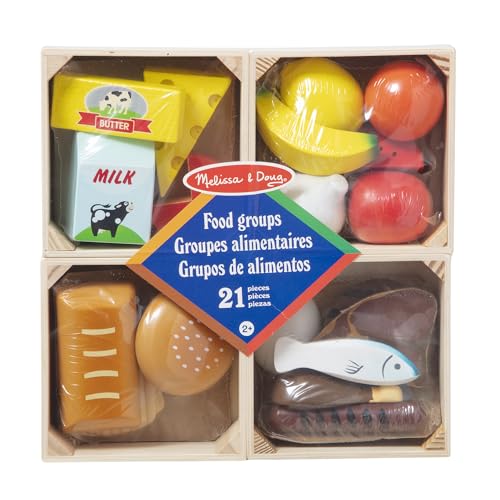
Which Wooden Building Block Set Actually Stacks Up Best
Melissa and Doug’s Wooden Building Blocks Set leads this comparison thanks to consistent sizing and a full hundred pieces that build tall structures without collapsing. Hape Maple Wood Blocks deliver harder wood at a lower cost, while Uncle Goose Classic ABC Blocks stand out as an heirloom quality lettered set worth passing between siblings.
For a first serious block set, Melissa and Doug’s Wooden Building Blocks Set combines quantity with dependable sizing that toddlers can actually stack. Hape Maple Wood Blocks bring denser hardwood into the same price bracket, and Uncle Goose Classic ABC Blocks reward families willing to pay for keepsake quality lettering.
Choosing gets tricky because photogenic sets sometimes hide slightly out of square cuts, and a tower that keeps collapsing loses a toddler’s interest fast. We compared wood species, stated dimensional standards, finish and paint certifications, piece counts and storage formats, then weighed those specs against what owners report about splintering, warping and how long a set stays in daily rotation.
How to choose
Dimensional accuracy matters more than the number on the box A hundred blocks cut slightly out of square will topple again and again, and toddlers abandon toys that fight back. Look for listings that mention sanded edges and consistent dimensions. Be skeptical of unusually large piece counts sold at rock bottom prices. Fewer accurate blocks get played with longer than a bin full of near misses.
Wood species and finish deserve separate scrutiny Hardwoods such as maple and beech resist denting and splintering better than the softwoods found in budget sets, which matters when blocks hit the floor daily. Separately, confirm the finish is water based and non toxic, and check whether the listing states compliance with a recognized toy safety standard. Unfinished natural wood sidesteps paint concerns entirely, though it shows marks and absorbs spills more readily.
Match block size and system to the child’s age Younger toddlers need larger blocks that resist swallowing and are easy to grip, which usually means a smaller set. Preschoolers get more from proportional unit block systems that reward planning ahead. Older children respond well to magnetic or translucent sets that introduce new mechanics beyond stacking. Check the manufacturer’s age guidance every time, since small parts remain a genuine choking hazard under three.
Plan for storage before the set arrives Shipping boxes rarely survive a full year of daily use, and blocks scattered across a floor are a common reason parents quietly retire a set. A canvas bin, lidded tub or wooden crate keeps pieces together and turns cleanup into part of the play routine. Sets that ship with their own storage container have a real practical edge over ones that do not.
The shortlist, ranked

Melissa and Doug Wooden Building Blocks Set
This hundred piece set covers the standard shapes a child needs for open ended building, with enough duplicates that towers can grow genuinely tall. Cuts stay consistent enough that stacks hold instead of toppling every few minutes, which is often the difference between a toy in daily rotation and one abandoned in a closet. Owners report the finish survives repeated wiping and the occasional teething session without dulling.
Pros
- Generous piece count supports real construction
- Consistent block sizing keeps stacks standing
- Finish holds up to frequent cleaning
Cons
- Cardboard packaging is not built for long term storage
- Painted surfaces pick up visible scuffs over time

Hape Maple Wood Blocks
Hape builds this set from maple, a harder and denser wood than the softwoods common at this price point, so edges resist denting under daily use. Water based finishes meet common European toy safety standards, giving parents a documented safety benchmark. Owners report the added weight makes structures feel more planted, though dropped blocks land harder on bare feet and floors.
Pros
- Maple hardwood resists dents and chipping
- Extra weight keeps tall builds from tipping
- Water based finish carries a safety standard
Cons
- Heavier pieces challenge very young toddlers
- Shape variety is narrower than mixed sets

Melissa and Doug Standard Unit Blocks
Unit blocks follow the proportional system used in preschools, where two half blocks equal one unit and four quarters equal the same unit. That ratio lets children plan more ambitious structures and absorbs a bit of early fraction learning along the way. Owners report the unfinished natural wood feels pleasant to handle but marks more readily than painted alternatives.
Pros
- Proportional system enables advanced building
- Unfinished wood carries no paint to chip
- Compatible with other standard unit block sets
Cons
- Piece count runs lower for the price
- Unfinished surface shows marks and stains faster
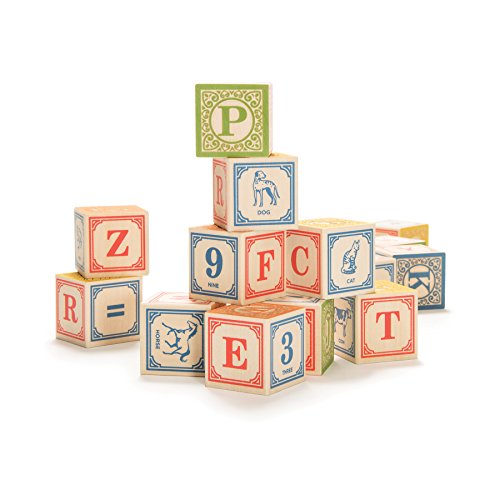
Uncle Goose Classic ABC Blocks
Uncle Goose mills these blocks from basswood and stamps them with child safe inks in a deep, embossed style that resists wearing off. They function as a nursery keepsake as much as a toy, and they survive being handed down between siblings. Owners report the smaller piece count means the set complements rather than replaces a larger building collection.
Pros
- Embossed printing resists fading and wear
- Letters and numbers add early literacy value
- Built to heirloom quality construction standards
Cons
- Piece count is too low for large builds
- Costs noticeably more than general purpose sets
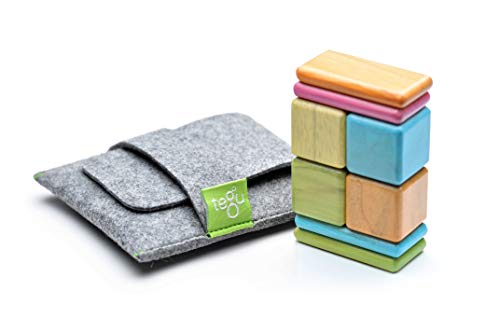
Tegu Magnetic Wooden Block Set
Tegu hides magnets inside hardwood blocks, letting structures cantilever and hold together in ways ordinary blocks cannot manage. That trick makes the set unusually good for travel, since a build can survive a bumped tray table. Owners report older children stay engaged longer with the magnetic mechanics, while very young toddlers get less out of the added complexity.
Pros
- Embedded magnets create builds ordinary blocks cannot
- Compact size travels well for car and plane trips
- Sourced from responsibly managed hardwood
Cons
- Costs considerably more per piece than standard sets
- Magnetic polarity confuses toddlers still learning to stack
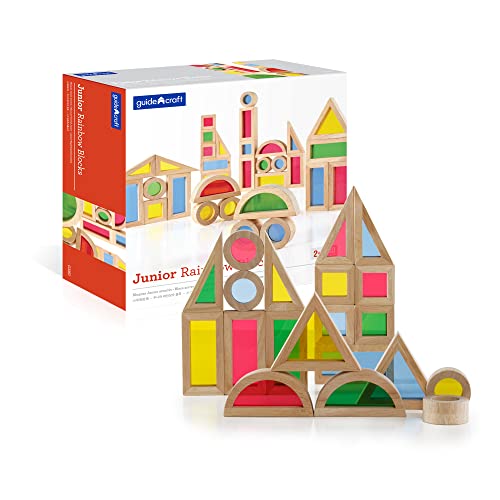
Guidecraft Rainbow Blocks
Guidecraft frames colored acrylic panels inside solid wood, so pieces stack conventionally or hold up to a window or light table for color mixing. That combination bridges ordinary construction play and sensory exploration in a way plain blocks cannot. Owners report the acrylic panels scratch with heavy floor use, so the set works best as a supervised activity rather than an everyday floor toy.
Pros
- Translucent panels add color mixing play
- Performs well on a light table or sunny window
- Wood frames shield the acrylic from most impacts
Cons
- Acrylic panels scratch under rough floor play
- Piece count is limited for general building

KidKraft 100 Piece Wooden Block Set
KidKraft packs a hundred pieces across a wide mix of shapes and colors at the lowest cost in this lineup, which suits a first set or a shared playroom bin. An included storage container keeps pieces corralled between sessions. Owners report cutting precision varies slightly from piece to piece, so very tall towers take a bit more patience.
Pros
- Lowest cost per piece in this comparison
- Wide shape and color variety for open ended play
- Storage container included at no extra step
Cons
- Cutting precision varies between individual pieces
- Softer wood dents more easily than hardwood sets
How they stack up
| # | Model | Piece count | Best for | Score | Price |
|---|---|---|---|---|---|
| 1 | Melissa and Doug Wooden Building Blocks Set | 100 blocks | Best overall | 9.4 | Check price |
| 2 | Hape Maple Wood Blocks | Solid maple | Best value | 9.2 | Check price |
| 3 | Melissa and Doug Standard Unit Blocks | Standard unit block proportions | Best for classroom style building | 9.0 | Check price |
| 4 | Uncle Goose Classic ABC Blocks | Basswood | Best for keepsake quality | 8.8 | Check price |
| 5 | Tegu Magnetic Wooden Block Set | Hardwood with embedded magnets | Best for travel and older kids | 8.6 | Check price |
| 6 | Guidecraft Rainbow Blocks | Wood frames with acrylic panels | Best for light and color play | 8.3 | Check price |
| 7 | KidKraft 100 Piece Wooden Block Set | 100 blocks | Best budget | 8.0 | Check price |
Common questions
What age are wooden building blocks appropriate for?
Large chunky blocks suit children starting around eighteen months, while most standard sets carry a three and up label due to smaller piece sizes. Always follow the manufacturer’s stated age guidance instead of judging by how a set looks.
Are painted wooden blocks safe for a child who still mouths toys?
Reputable brands use non toxic, child safe paints and finishes that meet recognized toy safety standards. Check the packaging for a stated standard, and retire any block once its finish has chipped significantly.
How do you clean wooden building blocks?
Wipe blocks with a barely damp cloth and mild soap, then dry them right away. Skip soaking or dishwashers entirely, since absorbed water causes warping and raised grain.
Are unit blocks better than mixed shape sets?
Unit blocks follow strict mathematical proportions that support more ambitious building and quietly introduce fractions. Mixed shape sets tend to appeal more visually to younger children. Plenty of families end up owning both types.
Do wooden blocks from different brands work together?
Standard unit block sets are broadly compatible with each other since they share the same proportional system. Decorative sets vary in dimensions between brands, so mixing them can produce uneven stacks.
Is a magnetic block set worth the extra cost?
For children past three who have outgrown basic stacking, embedded magnets unlock cantilevers and shapes ordinary blocks cannot hold. Toddlers still learning to balance pieces get comparatively little benefit from the added cost.
How many wooden blocks does a child actually need?
Around a hundred pieces supports substantial structures without overwhelming a small play space. Smaller keepsake or specialty sets work best alongside a general purpose set rather than in place of one.
Do wooden building blocks splinter?
Well made hardwood sets with properly sanded edges rarely splinter. Cheaper softwood sets can raise rough spots after heavy use, so check edges periodically and sand down anything sharp.
What is the difference between wooden blocks and magnetic building blocks?
Traditional wooden blocks rely on gravity and balance, which builds fine motor skill through trial and error. Magnetic sets like Tegu let pieces cantilever and hold at angles ordinary blocks cannot, adding a different kind of engineering challenge.
Can toddlers use unit blocks or should they wait?
Unit blocks work best from around three years old once a child can plan a structure rather than just stack randomly. Younger toddlers generally do better starting with larger, simpler shapes before moving to a proportional set.
Final word
Melissa and Doug’s Wooden Building Blocks Set remains the easiest recommendation, since its piece count and consistent sizing deliver the kind of building that holds a child’s attention. Hape Maple Wood Blocks are the upgrade worth choosing for harder wood that survives multiple children, and Uncle Goose Classic ABC Blocks are the set families tend to keep long after the rest are outgrown. Prioritize precision and finish safety first, then let piece count settle the final decision.
Rachel Simmons
Rachel previously worked in child-product retail and brings a practical, detail-first eye to gear reviews, focusing on safety standards, ease of use and the fine print that matters most for new caregivers.