Wallpaper Steamers Compared by Tank Size and Steam Power
Wagner Spraytech’s 715 Power Steamer earns the top spot for full room stripping, thanks to a large tank and wide plate. The HomeRight SteamMachine suits mixed cleaning and stripping needs, while the Earlex SS77 Steam Master handles large jobs with painted over or multi layer paper without stalling.
The Wagner Spraytech 715 leads this list for full room stripping, with the HomeRight SteamMachine covering smaller jobs that double as household cleaning and the Earlex SS77 built for big, stubborn walls. Tank size and plate width end up mattering more than any single spec sheet number.
Wallpaper steaming looks simple until twenty minutes in, when a small tank needs refilling every quarter hour and the wall cools before you finish a section, and vinyl or painted over paper refuses to release at all. We compared these seven models on tank capacity and run time, heat up speed, stripping plate size, hose length and reach, and whether the machine still has a use once the paper is off, based on published specifications and patterns owners consistently report.
What matters most
What to look for in a wallpaper steamer Tank capacity decides how often you stop to refill, and heat up time decides how long you wait before starting. Plate size affects how much wall you clear per placement, and hose length determines how far you can reach without repositioning the unit. Some machines double as general steam cleaners once the wallpaper job ends, which matters if you only strip one room in your lifetime. Weigh these factors against room size and paper type before choosing a model.
How to score wallpaper before steaming Modern wallpaper often carries a vinyl or washable face that steam cannot penetrate on its own. A scoring tool perforates that face so steam reaches the paste layer underneath. Light, circular passes work better than heavy pressure, since gouging the plaster creates filling work later. Old paper with several layers usually needs a second pass after the first strip.
How to work a wall without wasting steam Moving the plate constantly is the most common mistake, since it heats everything and strips nothing. Hold the plate against one section for twenty to thirty seconds, then shift it forward and scrape the area you just heated while it stays damp. A wide, flexible scraper held at a shallow angle lifts paper instead of gouging plaster. That rhythm of hold, move, scrape turns a fight into a steady process.
How to protect the room and stay safe while steaming Steaming pushes a large volume of water into the air and onto the floor along with wet paper. Heavy dust sheets or plastic sheeting should cover the floor before you start. Isolating the electrical circuit at the consumer unit removes any risk around sockets and switches near the wall. Gloves and safety glasses matter too, since steam plates run hot and condensate drips at head height.
The top picks, ranked
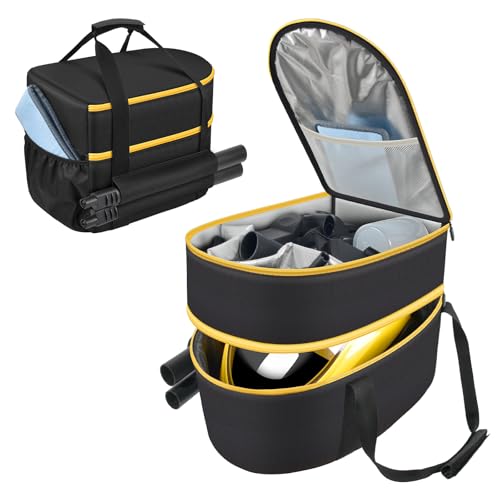
Wagner Spraytech 0282014 715 Power Steamer
Most decorators reach for the 715 first. Its tank holds enough water for extended stripping without frequent refills, and the wide plate covers more wall per placement. Heat up takes only a few minutes, and the kit includes attachments that turn the unit into a general steam cleaner once the paper is gone.
Pros
- Long run time between refills
- Wide plate speeds up flat walls
- Doubles as a steam cleaner afterward
Cons
- Bulky to carry between rooms
- Hose length limits reach from the floor

HomeRight SteamMachine C800880
HomeRight built the SteamMachine as a general cleaner first and a wallpaper stripper second. A plate ships in the kit, so one machine handles paper, grout and ovens later. Tank size runs smaller than dedicated strippers, which means more stops to refill on a large wall.
Pros
- Useful well after the wallpaper job ends
- Large accessory set included
- Lighter than dedicated strippers
Cons
- Smaller tank needs more refills
- Steam output runs gentler than dedicated strippers
Earlex SS77 Steam Master
Earlex designed the SS77 around one task, stripping large amounts of paper without stopping. Tank capacity and steady output back that focus, and a long hose lets you work a wall from one spot. Little else about this machine matters once the wallpaper is off, so it suits multi room jobs more than a single accent wall.
Pros
- Steady output for whole house jobs
- Large plate speeds up flat walls
- Long hose cuts down on repositioning
Cons
- Offers little use beyond stripping paper
- Takes longer than smaller units to heat

McCulloch MC1275 Heavy-Duty Steam Cleaner
Vinyl faces and painted over paper need more than a gentle plate, and the MC1275 answers with strong, sustained pressure. A wallpaper accessory ships with the canister, alongside a run time long enough for a full room on one fill. Weight is the trade off, since this unit is heavier than machines built only for stripping.
Pros
- Strong output cuts through stubborn coverings
- Long run time from a single fill
- Rolls on wheels instead of being carried
Cons
- Heavier than purpose built strippers
- Accessory case takes up storage space

Dupray Neat Steam Cleaner
A stainless steel boiler sets the Neat apart from most machines on this list. Continuous run time per fill runs long, and the build quality points toward a tool meant to outlast several redecorating projects. Wallpaper stripping happens through an accessory rather than a dedicated design, so treat this as a cleaning machine that also handles paper.
Pros
- Stainless boiler built for long service
- Long run time per fill
- Strong general cleaning performance afterward
Cons
- Not built around wallpaper stripping specifically
- Costs more than dedicated strippers

PurSteam Heavy Duty Steam Cleaner
PurSteam pairs a canister steamer with a long accessory list at a modest outlay. Output handles a single room of standard paper without trouble, though it runs less forceful than pricier machines, so sections need extra dwell time. Kitchen and bathroom cleaning afterward is where this unit keeps earning its keep.
Pros
- Strong feature set for the outlay
- Useful for household cleaning afterward
- Simple to assemble and operate
Cons
- Needs longer dwell time on tough paper
- Hose and connectors feel lightweight

Bissell Steam Shot 39N7A Handheld Steam Cleaner
A border, a patch behind a radiator or one stubborn corner rarely justifies dragging out a canister. Heat up on the Steam Shot takes about thirty seconds, and a scraper attachment ships in the box for small stripping jobs. Tank size stays tiny, so treat this as a finishing tool rather than a whole room solution.
Pros
- Ready to use in about half a minute
- Easy to control in tight corners
- Doubles as a household cleaning tool
Cons
- Tank empties within minutes
- Impractical for a full room
The lineup, side by side
| # | Model | Tank | Best for | Score | Price |
|---|---|---|---|---|---|
| 1 | Wagner Spraytech 0282014 715 Power Steamer | Holds enough for extended runs | Best overall | 9.4 | Check price |
| 2 | HomeRight SteamMachine C800880 | Medium capacity | Best for cleaning and stripping in one tool | 9.2 | Check price |
| 3 | Earlex SS77 Steam Master | Large capacity for extended stripping | Best for large whole house jobs | 9.0 | Check price |
| 4 | McCulloch MC1275 Heavy-Duty Steam Cleaner | About 48 ounces | Best for stubborn vinyl or painted over paper | 8.8 | Check price |
| 5 | Dupray Neat Steam Cleaner | Stainless steel | Best build quality | 8.6 | Check price |
| 6 | PurSteam Heavy Duty Steam Cleaner | Medium capacity | Best value | 8.3 | Check price |
| 7 | Bissell Steam Shot 39N7A Handheld Steam Cleaner | About 6.6 ounces | Best for small areas and touch ups | 8.0 | Check price |
Frequently asked questions
Do wallpaper steamers damage plaster walls?
They can if you park the plate too long in one spot or scrape with a sharp blade angle. Keep the plate moving between sections, hold the scraper shallow, and go easy on old lime plaster and plasterboard, where prolonged steam softens the paper facing underneath.
How long does it take to steam wallpaper off a room?
A standard room with one layer of plain paper usually takes a few hours. Vinyl faces, painted over paper or several layers can double or triple that time. Tank size matters here, since refill stops add up across a whole wall.
Do you need to score wallpaper before steaming it?
Only when the paper has a vinyl or waterproof face, which covers most modern rolls. Plain paper takes steam directly without scoring. If a section refuses to release after a decent dwell time, scoring is usually the missing step.
Can a regular steam cleaner strip wallpaper?
Yes, as long as it accepts or includes a wallpaper plate. Output tends to run gentler than a dedicated stripper, so dwell times run longer, but for a single room it works and leaves you with a cleaning tool afterward.
What should go in a wallpaper steamer tank?
Plain tap water is fine for most machines unless the manual says otherwise. Distilled water cuts down on scale buildup in hard water areas, which extends boiler life. Cleaning products and additives should never go in the tank, since they can damage the boiler and release fumes.
Is steaming better than a chemical wallpaper stripper?
Steam clears large areas faster and adds no chemicals to the room. Stripping solution takes less setup and suits small patches or rooms where managing moisture is difficult. Many decorators combine both, steam for the bulk of the wall and solution for stubborn leftover patches.
Can you steam wallpaper off drywall?
Yes, but drywall paper facing is more sensitive to prolonged heat than plaster. Keep the plate moving, avoid extended dwell on one spot, and check corners for softening as you go, since wet drywall paper tears easily.
How do you stay safe while steaming wallpaper?
Wear gloves and eye protection, and keep the plate away from bare skin. Isolate the electrical circuit for the wall before starting, and never open the tank cap until the unit has cooled and lost pressure. Steam burns account for most injuries reported with this job.
What is the best way to clean up after steaming wallpaper?
Lay plastic sheeting along the wall base and bag wet paper as you go, since it hardens into a solid mass once it dries. Wipe leftover paste off the wall with warm water before painting, because old adhesive shows through fresh coats.
Our take
The Wagner Spraytech 715 remains the pick for a full room, since its large tank and wide plate mean fewer interruptions and steadier progress. Choose the HomeRight SteamMachine if the tool needs to keep working after the walls are bare, and step up to the Earlex SS77 when several rooms of stubborn paper still lie ahead.
Jake Monroe
Jake worked as a residential contractor for over a decade before shifting to full-time writing. He evaluates power tools, hand tools and workshop gear through the lens of someone who has actually used them on job sites, not just read the box.


