Tires for Daily Commutes, Light Snow and Gravel Roads
For most sedans and crossovers, the Michelin Defender2 delivers the longest even wear and quietest ride. Drivers facing mixed snow and rain do better with the Michelin CrossClimate2 or Goodyear Assurance WeatherReady, both rated for light snow. Truck and SUV owners who need off road grip should look at the Falken Wildpeak A/T3W.
The Michelin Defender2 is the strongest all around pick for sedans and crossovers that want even tread wear and a quiet highway ride, though it carries no snow rating. Drivers in mixed rain and snow climates get more year round grip from the Michelin CrossClimate2 or Goodyear Assurance WeatherReady. Truck and SUV owners heading onto gravel or dirt roads should look at the Falken Wildpeak A/T3W instead.
Tire shopping gets confusing because the right choice depends on climate, vehicle weight and how much pavement time you actually log. We compared tire type, snow certification, vehicle fitment and owner feedback on noise and wear before narrowing this list to seven distinct options.
What matters most
What tire specs actually matter Tire type sits at the top of the sidewall decision tree: all-season, all-weather or all-terrain changes everything else about the ride. Speed rating, shown as a letter after the size, caps the tire’s rated top speed and should match or exceed your vehicle’s original equipment spec. Load index tells you how much weight each tire safely carries at maximum inflation. Reading the full sidewall code before buying avoids an expensive mismatch.
All-season, all-weather and all-terrain are not the same tire All-season tires handle rain and dry pavement but carry no certified snow rating. Add the three peak mountain snowflake symbol and you get an all-weather tire, rated for light to moderate snow without a seasonal swap. All-terrain designs trade some highway comfort for grip on gravel, dirt and loose surfaces. Few all-terrain models, like the Falken Wildpeak A/T3W, also earn that snow certification.
Matching tires to how and where you drive Daily commuters on mostly paved roads get the most value from a touring or all-season set like the Michelin Defender2. Climates with real winter weather call for either a dedicated snow tire or an all-weather option such as the CrossClimate2 or WeatherReady. Truck and SUV owners who regularly leave pavement need the reinforced sidewall and tread blocks found on a true all-terrain tire. Crossover drivers who only see the occasional gravel road fit better into a lighter option like the BFGoodrich Trail-Terrain T/A.
Buying, installing and keeping tires healthy Most vehicles, especially anything with all wheel drive, should get all four tires replaced together rather than mixed tread depths. A wheel alignment check after installation prevents uneven wear from an existing suspension issue. Rotating tires every five thousand to eight thousand miles spreads wear evenly across the set. New tires also need a short break in period of a few hundred miles before they reach full grip.
The shortlist, ranked

Michelin Defender2
Michelin built the Defender2 as an all-season highway tire for sedans, crossovers and minivans. Its MaxTouch Construction spreads braking force evenly across the tread for predictable wear. Michelin backs most sizes with a treadwear warranty rated for extended highway mileage.
Pros
- Even tread wear across the warranty period
- Quiet ride on highway surfaces
- Stable handling in wet conditions
Cons
- No severe snow rating
- Pricier than basic all-season lines

Michelin CrossClimate2
CrossClimate2 carries the three peak mountain snowflake symbol, so it handles light snow without a seasonal tire swap. Michelin’s V shaped tread channels water and slush away from the contact patch. Owners who drive through unpredictable winters often choose it over a dedicated winter set.
Pros
- Rated for light to moderate snow
- No need to swap for winter tires
- Strong wet braking performance
Cons
- Shorter tread life than a pure highway tire
- Costs more than standard all-season options

BFGoodrich Trail-Terrain T/A
Trail-Terrain T/A targets crossover and SUV owners who occasionally leave pavement without wanting a heavy duty mud tire. The tread blends a quiet highway pattern with reinforced shoulder lugs for gravel and light trail use. BFGoodrich sizes it specifically for crossover and compact SUV fitments rather than full size trucks.
Pros
- Handles gravel and light trail without excess road noise
- Available in common crossover sizes
- Maintains reasonable fuel efficiency for an AT tire
Cons
- Not built for deep mud or rock crawling
- Less aggressive than a true off road tire

Falken Wildpeak A/T3W
Wildpeak A/T3W is built for pickups and full size SUVs that see real dirt and gravel roads regularly. Falken reinforces the sidewall against cuts from rocks and rough shoulders. It also carries the three peak mountain snowflake rating, which most all-terrain tires skip.
Pros
- Rated for snow unlike most AT competitors
- Tough sidewall for rough trails and gravel roads
- Confident grip on dirt and loose surfaces
Cons
- Noticeably louder than a street tire on highway
- Shorter tread life under heavy off road use

Continental TrueContact Tour
TrueContact Tour is Continental’s everyday touring tire for drivers who want predictable highway manners without the premium price of a Defender or CrossClimate line. The tread compound favors fuel efficiency and tread life over sporty handling. It fits a broad range of sedan and minivan sizes.
Pros
- Lower cost than premium touring lines
- Wide range of common sedan sizes
- Smooth ride on highway pavement
Cons
- No severe snow rating
- Less aggressive wet grip than top tier touring tires
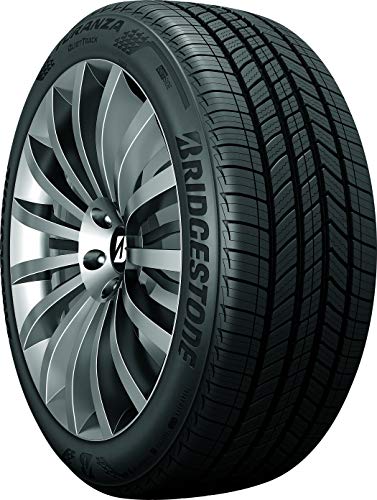
Bridgestone Turanza QuietTrack
Turanza QuietTrack is tuned specifically for cabin quiet on sedans and crossovers that spend most of their time on the highway. Bridgestone uses a noise reducing foam layer inside select sizes to cut road hum. The tread pattern still holds up in wet weather despite the comfort focus.
Pros
- Noticeably quieter cabin on highway driving
- Solid wet braking for a comfort tire
- Smooth transition over expansion joints
Cons
- No snow rating for winter climates
- Not intended for aggressive handling

Goodyear Assurance WeatherReady
Assurance WeatherReady uses TredLock technology, tread blocks that lock together under braking for extra bite on wet or snowy pavement. Goodyear rates it for year round use in climates with frequent rain and occasional snow. It fits a wide span of sedan, minivan and crossover sizes.
Pros
- Strong wet and light snow traction
- No seasonal tire swap needed in mixed climates
- Wide size availability
Cons
- Tread wears faster than a dedicated highway tire
- Not a substitute for dedicated winter tires in heavy snow
How they compare
| # | Model | Tire type | Best for | Score | Price |
|---|---|---|---|---|---|
| 1 | Michelin Defender2 | All-season touring | Best overall | 9.4 | Check price |
| 2 | Michelin CrossClimate2 | All-weather | Best all-weather | 9.1 | Check price |
| 3 | BFGoodrich Trail-Terrain T/A | Crossover all-terrain | Best for crossover SUVs | 8.6 | Check price |
| 4 | Falken Wildpeak A/T3W | All-terrain | Best for trucks and SUVs | 8.9 | Check price |
| 5 | Continental TrueContact Tour | All-season touring | Best budget | 8.4 | Check price |
| 6 | Bridgestone Turanza QuietTrack | All-season touring | Best for a quiet ride | 8.5 | Check price |
| 7 | Goodyear Assurance WeatherReady | All-weather | Best for rainy climates | 8.7 | Check price |
Frequently asked questions
How do I know what tire size my car needs?
Check the sidewall of your current tires or the sticker inside the driver’s door jamb. Both list the exact size, load index and speed rating your vehicle was built to use.
What is the difference between all-season and all-weather tires?
All-season tires handle wet and dry roads but carry no snow certification. All-weather tires add the three peak mountain snowflake rating, so they work through light to moderate snow without a seasonal swap.
Do all four tires need to be replaced at the same time?
Vehicles with all wheel drive generally need all four replaced together to avoid drivetrain stress from mismatched tread depth. Front or rear wheel drive cars have a bit more flexibility to replace in pairs.
Can all-terrain tires handle snow?
Only some do. Models with the three peak mountain snowflake symbol, like the Falken Wildpeak A/T3W, are certified for snow. Many other all-terrain tires are not.
What does the speed rating letter on a tire mean?
It states the tire’s maximum sustained speed capability under test conditions. Replacement tires should match or exceed the speed rating your vehicle came with from the factory.
How often should tires be rotated?
Most manufacturers recommend rotation every five thousand to eight thousand miles. Regular rotation spreads wear evenly and helps tires reach their full rated tread life.
Are more expensive tires actually worth the extra cost?
It depends on what you need. Premium lines like the Michelin Defender2 often deliver longer tread life and a quieter ride, which can offset the higher upfront price over several years.
Is it safe to mix different tire brands on one vehicle?
Manufacturers generally recommend matching all four tires, especially on all wheel drive vehicles where mismatched diameters can strain the drivetrain. Mixing brands on the same axle is more tolerable than mixing diameters.
How long do passenger car tires typically last?
Touring and all-season tires often reach forty thousand to eighty thousand miles depending on the compound and driving style. All-terrain tires usually wear faster because of their more aggressive tread.
Our take
The Michelin Defender2 is the right call for most sedan and crossover drivers who want even wear and a quiet ride without a snow rating. Drivers facing mixed rain and snow should choose the Michelin CrossClimate2 or Goodyear Assurance WeatherReady instead, while truck and SUV owners heading onto gravel or dirt roads get more use from the Falken Wildpeak A/T3W. Budget focused commuters can rely on the Continental TrueContact Tour for predictable highway manners at a lower cost.
Tony Russo
Tony trained as an automotive technician and spent years in service and parts retail before moving into writing. He focuses on garage tools, car care products and accessories from a hands-on maintenance perspective.