Tire Shine That Won’t Sling Onto Your Paint
Meguiar’s Endurance Tire Gel delivers the deepest gloss that survives several washes. Chemical Guys VRP doubles as trim and interior dressing, and CarPro PERL gives a natural satin finish with almost no sling once diluted correctly.
Meguiar’s Endurance Tire Gel wins on durable, deep gloss, provided it’s applied thin enough to avoid slinging onto paint. Chemical Guys VRP earns a spot for versatility, since it also works on trim and interior plastic. CarPro PERL suits anyone chasing a natural satin look with minimal sling.
Tire dressings pull buyers in two directions at once: immediate wet-look gloss and long durability rarely come from the same formula. Solvent-based products that shine brightest also tend to sling onto paint and attract more dust. We compared formulation types, published durability claims, application methods, and recurring owner reports about browning and sling, then ranked finish quality against how each product behaves a week later.
What we recommend

Meguiar’s Endurance Tire Gel
A thick gel clings to the sidewall instead of running off, which is why this stays the benchmark for gloss that survives weather. Applied thinly with a foam pad, it produces a deep wet look that holds through several washes. Heavy application is the main complaint, since excess product slings onto paint at speed.
Pros
- Deep gloss that lasts well
- Thick gel does not run down the sidewall
- Widely stocked and easy to find
Cons
- Slings badly if applied too heavily
- Gloss level reads as too much for some tastes
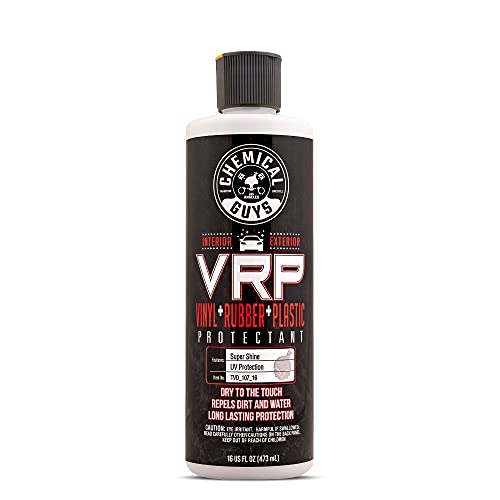
Chemical Guys VRP Dressing
VRP stands for vinyl, rubber, and plastic, which explains why it covers more than tires alone. Diluted, it gives a satin interior finish; used neat on tires, the look turns richer. Water-based chemistry means it skips the dust attraction that plagues solvent dressings.
Pros
- One bottle covers tires, trim, and interior
- Adjustable finish through dilution
- Attracts less dust than solvent formulas
Cons
- Less durable than dedicated gel dressings
- Needs reapplication after heavy rain

Adam’s Polishes Tire Shine
Spraying levels the product automatically, which produces an even finish that gel applicators sometimes streak. Owners who dress tires after every wash tend to prefer this speed over gel precision. Coverage per bottle runs lower than gels, since spraying is inherently less efficient.
Pros
- Fast, even application
- Self-leveling formula reduces streaks
- Convenient for a routine wash-day habit
Cons
- Overspray onto wheels needs wiping
- Bottle empties faster than gel products

CarPro PERL
Detailers favor PERL because it’s a concentrate you dilute to taste rather than a fixed-strength formula. A stronger mix builds richer gloss on tires, and a weaker mix gives trim and engine bays a factory satin look. Once leveled, sling is minimal, and one bottle stretches a long way.
Pros
- Very economical after dilution
- Natural finish rather than greasy shine
- Works across tires, trim, and engine bays
Cons
- Requires mixing before use
- Less dramatic gloss than gel dressings

Armor All Extreme Tire Shine Gel
Finding this on short notice is rarely a problem, since it sits on shelves in most stores. The included applicator delivers strong immediate gloss for a quick weekend refresh. Durability trails premium gels, so expect to reapply after rain instead of after several washes.
Pros
- Cheap and easy to find
- Strong immediate gloss
- Applicator included in the pack
Cons
- Needs reapplication after rain
- Can sling if not leveled properly
303 Automotive Tire Balm
UV protection, not maximum shine, is the priority here, so the finish lands as a restrained satin. Owners who worry about sidewall cracking and long-term browning gravitate toward this over flashier gels. It also suits cars parked outdoors year-round.
Pros
- Genuine UV protection focus
- Understated finish that suits many cars
- Water-based formula with low sling
Cons
- Little visual drama for shine seekers
- Needs regular reapplication to keep protecting

Griot’s Garage Black Shine Tire and Trim Spray
Faded black plastic trim comes back to a deep color with this spray, and tires are more of a secondary use. Sun-bleached bumper trim or wheel arch moldings are the actual problem it solves. On tires alone, dedicated gels last longer.
Pros
- Noticeably revives faded trim
- Even satin black finish
- Quick spray application
Cons
- Tire durability trails dedicated gels
- Needs careful masking near paint
How to choose
Water-based versus solvent-based tire dressings Water-based dressings sit lighter on rubber, sling less, and attract less dust, though they generally need more frequent reapplication. Solvent-based formulas deliver stronger gloss and longer wear, but heavier versions attract dust and can dry out rubber over time in aggressive formulations. Most modern consumer products lean water-based or hybrid, generally the safer choice for a car you plan to keep.
Why tire shine slings onto paint, and how to stop it Sling happens when excess dressing sits on the sidewall and centrifugal force throws it onto paint at speed. Thin application, leveling with a clean applicator, and letting the coat set before driving fixes most cases. Two thin coats look better and sling less than one heavy coat. A product that slings even when applied thin is too heavy for daily driving.
Cleaning tires before dressing matters more than the product Dressing applied over old residue, brake dust, and road film produces a patchy finish that fails fast. Scrub sidewalls with a dedicated tire cleaner and a stiff brush until the foam runs clear, then let them dry fully. Tires that have never been properly stripped often need two cleaning passes before a first dressing looks even. This step separates good results from disappointing ones.
Choosing between wet-look gloss and a satin finish Wet-look gloss suits show cars and photographs well, which is why most marketing images lead with it. A satin factory finish looks more natural on daily drivers and hides road grime longer between washes. Long-wear products often trade some gloss for durability. Buying a high-gloss gel when a clean satin look was the goal is the most common mismatch in this category.
The lineup, side by side
| # | Model | Finish | Best for | Score | Price |
|---|---|---|---|---|---|
| 1 | Meguiar’s Endurance Tire Gel | High gloss wet look | Best overall | 9.4 | Check price |
| 2 | Chemical Guys VRP Dressing | Water based dressing | Best value | 9.2 | Check price |
| 3 | Adam’s Polishes Tire Shine | Spray | Best spray application | 9.0 | Check price |
| 4 | CarPro PERL | Dilutable water based concentrate | Best natural finish | 8.8 | Check price |
| 5 | Armor All Extreme Tire Shine Gel | Gel with applicator | Best budget | 8.6 | Check price |
| 6 | 303 Automotive Tire Balm | UV protection for rubber | Best for tire protection | 8.3 | Check price |
| 7 | Griot’s Garage Black Shine Tire and Trim Spray | Tires and exterior trim | Best for trim restoration | 8.0 | Check price |
Good to know
How do I stop tire shine from slinging onto my paint?
Apply thinly, level with a clean applicator to remove excess, and let the product set for fifteen to thirty minutes before driving. Two thin coats sling far less than one heavy coat.
Does tire shine damage tires?
Modern water-based dressings are formulated to be safe and often add UV protection. Older, aggressive solvent products could dry out rubber over time, so a water-based dressing avoids that concern for normal use.
How long does tire dressing last?
Anywhere from one rain shower to several washes, depending on the formula and how it’s applied. Thick gels on properly cleaned tires last longest, while sprays and water-based dressings usually need reapplication every couple of weeks.
Why do my tires turn brown after cleaning?
Browning comes from antiozonants blooming to the surface of the rubber, a normal protective process. A dedicated tire cleaner and stiff brush remove it, and a regular dressing routine slows how visible it gets between cleans.
Should I use a gel or a spray tire dressing?
Gels give more control, better coverage per bottle, and generally longer durability. Sprays apply faster and more evenly but use more product and need masking to avoid overspray onto wheels and paint.
Can I use tire dressing on trim and bumpers?
Some products are built for it, including VRP, PERL, and the Griot’s Garage spray. Dedicated tire gels usually run too heavy for trim and can look greasy, so check the label first.
How should I clean tires before dressing?
Use a dedicated tire cleaner with a stiff brush and work until the foam rinses clear. Old dressing layers, brake dust, and road film all block a new coat from bonding evenly.
Is a wet-look or satin finish better for tires?
It’s purely preference. Wet-look gloss photographs well and suits show cars, while satin looks closer to a new tire and stays presentable longer between cleans on a daily driver.
What is the best tire shine for daily drivers?
A water-based, low-sling formula like CarPro PERL or Chemical Guys VRP fits daily driving better than a heavy show-car gel, since it needs less babying between washes.
Is dilutable tire dressing worth buying over a ready-to-use bottle?
For anyone dressing multiple surfaces or several vehicles, yes. A concentrate like CarPro PERL stretches further and lets you dial the finish from satin to rich gloss.
Our pick
Meguiar’s Endurance Tire Gel stays the pick for anyone chasing durable gloss, provided it’s applied thin enough to keep off the paintwork. Chemical Guys VRP is the more useful bottle to own overall, since it covers tires, trim, and interior. CarPro PERL remains the detailer’s choice for a natural finish and real economy. Clean sidewalls properly first, since no dressing looks good over old product.
Tony Russo
Tony trained as an automotive technician and spent years in service and parts retail before moving into writing. He focuses on garage tools, car care products and accessories from a hands-on maintenance perspective.