8 Smart Speakers for Music, Alerts and Routines
Amazon Echo 4th Gen leads this roundup for balanced sound and the deepest Alexa smart home support, including a built-in Zigbee hub. Sonos One Gen 2 delivers richer audio for music listening. Google Nest Audio suits households already running Google Assistant and other Nest speakers.
Amazon Echo 4th Gen ranks best overall for balanced sound and wide Alexa support. Sonos One Gen 2 wins on audio quality and multi-room expansion. Google Nest Audio suits Android households that already use Google Home.
Sound quality, voice assistant, and smart home compatibility rarely align in one speaker. A model with rich bass may lock you into one ecosystem, while a flexible assistant can trade away audio power. We compared manufacturer specifications, published audio details, and patterns in verified owner feedback across all seven speakers. Compatibility with existing smart home devices and multi-room ecosystems weighed heavily in the final ranking.
What we recommend
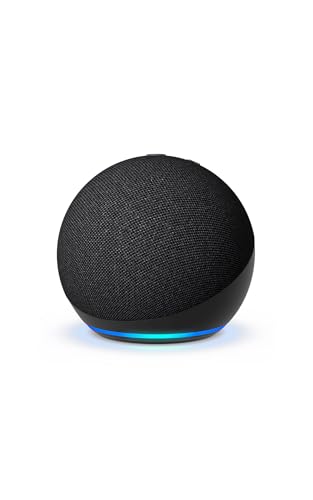
Amazon Echo (4th Gen)
Amazon Echo 4th Gen pairs a spherical cabinet with a 3.0 inch woofer and dual tweeters for balanced, room filling sound. A built-in Zigbee hub connects compatible smart home gadgets without extra bridges. Alexa handles calendar, timer, and shopping requests reliably across most households.
Pros
- Balanced sound fills mid-size rooms
- Zigbee hub skips extra bridges
- Wide Alexa skill library
Cons
- Alexa favors Amazon shopping and services
- Bass can overwhelm small rooms

Sonos One (Gen 2)
Sonos One Gen 2 uses two Class D amplifiers with a dedicated tweeter and woofer for clearer, fuller sound than most rivals. Owners can choose Alexa or Google Assistant at setup. Pairing two units creates a true stereo pair within a wider Sonos multi-room system.
Pros
- Fuller sound than most assistant speakers
- Supports Alexa or Google Assistant
- Pairs into true stereo or Sonos multi-room
Cons
- Costs more than similarly sized rivals
- No built-in smart home hub

Google Nest Audio
Google Nest Audio combines a 75mm woofer and 19mm tweeter for warm, clear sound at a mid-size footprint. Voice recognition stays accurate even with background noise, according to the listing. Grouping with other Nest speakers builds multi-room audio inside the Google Home app.
Pros
- Warm, clear sound for its size
- Reliable Google Assistant recognition
- Groups easily with other Nest speakers
Cons
- Works best only within Google’s ecosystem
- Lacks a built-in smart home hub

Apple HomePod (2nd Gen)
Apple HomePod 2nd Gen uses a high-excursion woofer with a tweeter array for spatially aware sound that adjusts to room acoustics. Siri handles Apple Music, HomeKit, and Apple Home requests directly. Built-in temperature and humidity sensors feed into the Home app for automation.
Pros
- Sound adjusts to room acoustics
- Deep Apple Music and HomeKit integration
- Matter and Thread support built in
Cons
- Limited usefulness outside Apple devices
- Siri answers fewer general questions than rivals
Amazon Echo Dot (5th Gen)
Amazon Echo Dot 5th Gen packs a 1.73 inch front-firing speaker into a compact sphere with noticeably deeper bass than the 3rd Gen Dot. A temperature sensor lets it trigger smart plugs or fans through routines. It works well as a satellite speaker for bedrooms or offices.
Pros
- Compact size fits any room
- Temperature sensor enables routines
- Affordable entry into the Alexa ecosystem
Cons
- Limited bass compared to full-size speakers
- Not built for whole-room music

Google Nest Mini (2nd Gen)
Google Nest Mini 2nd Gen fits a 40mm driver into a wall-mountable disc, adding Google Assistant to any room. A fabric exterior blends into shelves and nightstands. Bass improved over the original Mini, though output still trails full-size speakers.
Pros
- Wall-mountable for flexible placement
- Improved bass over the original Mini
- Low-cost way to add more Assistant rooms
Cons
- Small driver limits volume and bass
- Best suited to Google Home households

Sonos Era 100
Sonos Era 100 adds a second tweeter for true stereo separation, plus a woofer tuned for wider bass response. Line-in support arrives through an optional adapter, and Bluetooth streams audio without Wi-Fi. Voice control runs through Alexa or Sonos Voice Control rather than Google Assistant.
Pros
- Stereo separation from dual tweeters
- Bluetooth and line-in add source flexibility
- Fits into an existing Sonos system
Cons
- Priced at the top of this category
- No native Google Assistant support
How to choose
What should you look for in a smart speaker? Voice assistant, sound quality, and smart home compatibility drive most buying decisions. Alexa supports the widest range of third-party skills and smart home brands. Google Assistant answers general questions more naturally and ties into Gmail, Calendar, and Nest devices. Siri works best for people already running iPhones and HomeKit. Matching the assistant to apps you already use often matters more than small audio differences.
Best smart speaker for music vs voice control Larger cabinets like the Sonos One and Sonos Era 100 push more air and produce fuller bass. Compact models such as the Echo Dot and Nest Mini trade audio power for a small footprint and lower cost. Pairing two matching speakers creates a stereo setup with noticeably wider sound. Casual listeners who mainly want timers, weather, and quick answers rarely need a full-size speaker.
Which smart speaker works with your smart home devices? Some Echo models include a built-in Zigbee hub that connects bulbs, plugs, and sensors without a separate bridge. Newer speakers from Apple and other brands add Matter and Thread support for broader cross-brand control. Checking the manufacturer specifications before buying avoids the need for extra hubs later. Devices built only for Zigbee will not pair directly with a Matter-only speaker.
Is a multi-room smart speaker system worth it? Sonos, Echo, and Nest speakers each group into multi-room systems within their own product families. AirPlay 2 lets several Apple-compatible speakers play the same audio in sync. Starting with one brand’s ecosystem keeps future expansion simple, since mixing brands often blocks native grouping. Households that stream music in multiple rooms daily benefit most from this feature, while casual users may not need it.
The lineup, side by side
| # | Model | Assistant | Best for | Score | Price |
|---|---|---|---|---|---|
| 1 | Amazon Echo (4th Gen) | Alexa | Best overall | 9.4 | Check price |
| 2 | Sonos One (Gen 2) | Alexa or Google Assistant | Best sound quality | 9.2 | Check price |
| 3 | Google Nest Audio | Google Assistant | Best for Google Assistant | 9.0 | Check price |
| 4 | Apple HomePod (2nd Gen) | Siri | Best for Apple users | 8.7 | Check price |
| 5 | Amazon Echo Dot (5th Gen) | Alexa | Best budget pick | 8.4 | Check price |
| 6 | Google Nest Mini (2nd Gen) | Google Assistant | Best mini for whole-home Google coverage | 8.2 | Check price |
| 7 | Sonos Era 100 | Alexa or Sonos Voice Control | Best upgrade for stereo sound | 8.0 | Check price |
Good to know
Which voice assistant is best for a smart speaker?
It depends on the devices you already own. Alexa offers the broadest smart home support, Google Assistant answers general questions well, and Siri suits Apple households. Matching the assistant to your phone usually gives the smoothest experience.
What is the difference between Amazon Echo and Echo Dot?
Full-size Echo includes a built-in Zigbee hub and larger drivers for fuller sound. Echo Dot is smaller, more affordable, and works well as a secondary speaker. Both run Alexa, so hub support and audio power mark the main differences.
Can smart speakers control smart home devices?
Yes. Voice assistants can control lights, plugs, thermostats, and locks. Some Echo models include a built-in Zigbee hub, and select newer speakers support Matter and Thread. Check compatibility with your specific devices before buying.
Do smart speakers work without Wi-Fi?
Most voice and streaming features require Wi-Fi to reach cloud servers. Bluetooth lets several speakers play audio from a phone without internet access. Smart home control and voice commands still need a working connection.
Is a smart speaker good for playing music?
Sonos One and Sonos Era 100 deliver fuller sound for dedicated listening. Compact models like the Echo Dot and Nest Mini suit casual background music and voice control. Pairing two matching speakers adds stereo separation for serious listening.
Can you pair two smart speakers for stereo sound?
Many models support this within the same product family. Two Sonos units, two Echo speakers, or two Nest Audios can often group into a stereo pair. Pairing usually requires matching models, so check the listing before buying.
Do smart speakers listen to conversations all the time?
Smart speakers listen locally for a wake word and only send audio to the cloud after hearing it. Most models include a physical microphone-off button. Turning off the mic disables listening entirely for added privacy.
Which smart speaker works best with Apple devices?
Apple HomePod 2nd Gen integrates directly with Siri, Apple Music, and the Apple Home app. iPhone owners get seamless AirPlay handoff between devices. Other brands support Apple through AirPlay 2 but lack the same depth of HomeKit integration.
How much space does a smart speaker need?
Compact models like the Echo Dot and Nest Mini fit on a shelf or nightstand with minimal clearance. Full-size speakers such as the Sonos One need a few inches of open space behind them for accurate bass. Wall-mounting options, like the Nest Mini’s keyhole slot, free up counter space entirely.
Are premium smart speakers worth the extra cost?
Music-focused buyers gain noticeably better sound from models like the Sonos Era 100 and Apple HomePod. Budget picks like the Echo Dot and Nest Mini cover voice control, timers, and smart home commands for less. The right choice depends on whether sound quality or price matters more to you.
The bottom line
Amazon Echo 4th Gen remains the strongest all-around pick for balanced sound, Zigbee support, and Alexa’s skill library. Sonos One Gen 2 suits anyone who ranks audio quality above ecosystem breadth. Google Nest Audio fits households already centered on Google Assistant and Nest devices.
Marcus Chen
Marcus covered consumer electronics for enthusiast tech publications for six years before joining ChoiceCrest. He specializes in translating manufacturer spec sheets into plain-language buying advice, with a focus on audio, computing accessories and smart-home gear.


