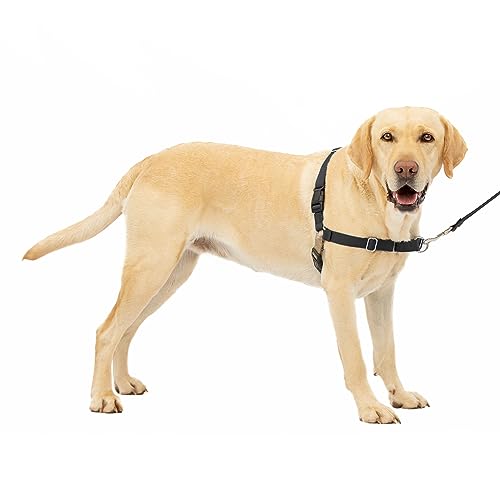
Dog Harnesses That Actually Hold Up on Road Trips
Kurgo’s Tru-Fit harness carries crash-test certification for car travel, Sleepypod’s Clickit Sport adds a padded vest for long-ride comfort, and Ruffwear’s Front Range suits daily walks that occasionally extend into trips. Safety certification and comfort during long sits matter most for travel use, and only a few harnesses combine both.
Kurgo’s Tru-Fit harness carries third-party crash-test certification, the feature that matters most for a dog riding loose in the back seat.
Hours in a moving car strain a harness differently than a walk around the block, so crash safety, seatbelt compatibility, and all-day comfort drove this comparison rather than looks.
What matters most
What to look for in a travel dog harness Crash-test certification matters most for a dog riding in a moving car, since it confirms the harness holds under a sudden stop. Seatbelt compatibility, padding, and adjustable straps affect comfort during multi-hour drives. Reflective trim helps at rest stops during early morning or evening walks.
Crash-tested versus standard travel harnesses Only a few harnesses, like Kurgo’s Tru-Fit and Sleepypod’s Clickit Sport, carry independent crash-test certification from groups such as the Center for Pet Safety. Standard harnesses with a seatbelt loop still restrain a dog but haven’t been tested against impact force. Long-distance drivers with a dog loose in the back seat should prioritize certified options.
Comfort during long car rides Padded vest panels, like Sleepypod’s foam backing, spread pressure across the chest during stops and cut down on chafing over multi-hour trips. Mesh-ventilated harnesses, like Kurgo’s Journey Air, trade some padding for airflow, useful in warm climates. A dog that resists wearing a harness for hours needs padding more than one that only rides occasionally.
Handling control at rest stops and unfamiliar areas A top handle, like the one on Julius-K9’s Powerharness, gives quick control when a dog reacts to new smells or people at a rest stop. Front-clip designs, like PetSafe’s Easy Walk, discourage pulling on unfamiliar walking routes. Neither feature relates to car safety, so travel-focused buyers should check seatbelt compatibility separately.
The best picks, ranked

Kurgo Tru-Fit Crash-Tested Dog Harness
Independent crash testing backs this harness’s car safety claims, a rare feature among travel harnesses. A front clip doubles as a seatbelt attachment point, so one harness covers both walking and secured car rides. Steel hardware holds up better than plastic clips under a sudden stop.
Pros
- Independently crash-test certified
- Doubles as walking and car-safety harness
- Steel hardware resists breaking under stress
Cons
- Bulkier fit than lightweight walking harnesses
- Sizing runs slightly small, so a size up often fits better

Sleepypod Clickit Sport
A padded vest panel spreads pressure across the chest during sudden stops, adding real comfort over hours of highway driving. Its crash certification matches Kurgo’s testing standard, giving similar confidence for secured travel. A rear attachment point keeps the dog facing forward rather than sideways.
Pros
- Padded panel adds comfort for long trips
- Independently crash-test certified
- Forward-facing rear attachment
Cons
- Higher cost than basic travel harnesses
- Foam padding takes longer to dry after water exposure

Ruffwear Front Range Harness
Daily walks suit this harness well, and a car-safety loop covers occasional trips, though it lacks formal crash certification. Dual clip points support both leash training and vehicle restraint use. Reflective trim adds visibility during early morning or evening rest stops.
Pros
- Comfortable for daily walking and light travel
- Dual front and back clip points
- Reflective trim improves low-light visibility
Cons
- No independent crash-test certification
- Padding retains moisture after rain

Julius-K9 IDC Powerharness
A rubber-coated top handle gives quick control at rest stops or unfamiliar parking lots, useful during travel. Multiple adjustment straps create a snug fit that resists twisting in a moving vehicle. Cordura fabric resists abrasion better than standard nylon webbing.
Pros
- Top handle aids quick control at stops
- Highly adjustable for a secure fit
- Durable Cordura fabric resists wear
Cons
- No dedicated crash-test certification
- Bulkier design than minimalist harnesses

Kurgo Journey Air Dog Harness
Mesh paneling improves airflow, a real help on road trips through warm climates where a dog sits in a parked car during stops. Its front clip stays compatible with seatbelt tethers for secured rides. Lighter construction trades some structure for breathability compared with padded travel harnesses.
Pros
- Mesh construction improves airflow in heat
- Seatbelt compatible for car use
- Lighter weight than padded alternatives
Cons
- Less padding than dedicated crash-tested harnesses
- Mesh wears faster under heavy daily use

PetSafe Easy Walk Harness
Front-clip design discourages pulling, useful during unfamiliar rest-stop walks where a dog may react to new sights and smells. No car-safety rating means it works better paired with a separate travel restraint than as a standalone car harness. A martingale loop tightens gently when a dog pulls forward.
Pros
- Reduces pulling on unfamiliar walking routes
- Lightweight for quick on-off use
- Affordable compared to crash-tested options
Cons
- Not rated for car crash safety
- Front-only clip limits use as a vehicle restraint

Rabbitgoo No Pull Harness with Reflective Trim
A small zippered pocket holds a tag, key, or waste bags, a convenient extra during travel stops. Dual clip points offer flexibility between no-pull training and general use. No crash-test certification means short car rides and walks suit it better than long highway travel.
Pros
- Zippered pocket adds travel convenience
- Affordable across a wide size range
- Dual clip points for flexible use
Cons
- No crash-test certification for car safety
- Mesh padding compresses faster than foam
How they stack up
| # | Model | Crash certification | Best for | Score | Price |
|---|---|---|---|---|---|
| 1 | Kurgo Tru-Fit Crash-Tested Dog Harness | Center for Pet Safety tested | Best overall | 9.4 | Check price |
| 2 | Sleepypod Clickit Sport | Center for Pet Safety tested | Best for comfort on long rides | 9.2 | Check price |
| 3 | Ruffwear Front Range Harness | Woven nylon with foam padding | Best for everyday use that extends to travel | 8.9 | Check price |
| 4 | Julius-K9 IDC Powerharness | Cordura with rubber-coated handle | Best for control on stops | 8.6 | Check price |
| 5 | Kurgo Journey Air Dog Harness | Mesh with air-mesh padding | Best for hot climates | 8.4 | Check price |
| 6 | PetSafe Easy Walk Harness | Nylon webbing | Best for reducing pulling on rest-stop walks | 8.2 | Check price |
| 7 | Rabbitgoo No Pull Harness with Reflective Trim | Breathable mesh nylon | Best budget option | 8.0 | Check price |
Questions worth asking
What makes a dog harness safe for car travel?
Independent crash-test certification, like testing from the Center for Pet Safety, confirms a harness holds under a sudden stop. A seatbelt-compatible attachment point is necessary but not sufficient on its own without that testing.
Do all travel harnesses attach to a car seatbelt?
No. Some, like PetSafe’s Easy Walk, are front-clip only and work better for walking than car restraint. Check for a dedicated seatbelt loop or D-ring before assuming a harness works for car use.
Is a crash-tested harness worth the extra cost?
For a dog that rides loose in the back seat regularly, yes, since certification confirms the harness holds under impact force that standard harnesses haven’t been tested against.
Which harness works best for hot weather travel?
Mesh-ventilated options, like Kurgo’s Journey Air, improve airflow during warm-weather trips, though they trade away some of the padding found in crash-tested harnesses.
Can the same harness work for walking and car rides?
Many can, including Kurgo’s Tru-Fit and Ruffwear’s Front Range, which combine a front clip for walking with a seatbelt-compatible point for car use.
How should a travel harness fit?
It should sit snugly enough to prevent twisting in a moving vehicle without restricting breathing or shoulder movement. Multiple adjustment straps, like those on Julius-K9’s Powerharness, help fine-tune the fit.
Do padded harnesses cause overheating on car trips?
They can in warm climates, since foam padding traps heat. Mesh-ventilated harnesses reduce this risk but usually offer less cushioning against sudden stops.
What size dog harness should I buy for travel?
Measure chest girth and neck circumference against the brand’s size chart, since travel harnesses like Kurgo’s Tru-Fit tend to run smaller than standard walking harnesses.
Is a padded vest harness better than a basic strap harness for travel?
For long rides, yes. The padding in Sleepypod’s Clickit Sport reduces chafing over hours that a thin strap harness like PetSafe’s Easy Walk doesn’t address.
What is the difference between a walking harness and a travel harness?
A walking harness focuses on leash control, while a travel harness adds seatbelt compatibility and, in certified models, crash testing for use inside a moving vehicle.
Our pick
Kurgo’s Tru-Fit harness pairs crash certification with everyday usability, making it the default pick for regular car travel. Comfort-focused owners on long highway drives should choose Sleepypod’s Clickit Sport for its padded vest, while anyone who only occasionally drives with their dog can save money with Ruffwear’s Front Range. Skip uncertified harnesses if a dog rides loose in the back seat.
Olivia Hartley
Olivia spent several years working at an animal shelter and a pet-supply retailer before joining the editorial team. She researches pet gear with an emphasis on safety, comfort and the fine print that owners often miss.