8 Flower Bulbs That Reward Even First Time Gardeners
Van Zyverden tulips give most gardens the easiest bold spring color. Longfield Gardens daffodils win for reliable naturalizing that returns yearly, and Garden State Bulb crocus offer the best value for early color. Bloom season and whether you want perennial return should guide the final choice.
Van Zyverden tulips deliver the simplest bold spring color for most gardens. Longfield Gardens daffodils return and multiply year after year, and Garden State Bulb crocus bring the earliest, cheapest splash of bloom.
Buying bulbs is trickier than it looks, since a bigger, firmer bulb stores more energy and blooms far better than a shriveled bargain one that looks identical in a photo. We compared bulb caliber, bloom season, hardiness zones and what growers report about naturalizing to match bulbs to real beds.
What matters most
What makes one flower bulb better than another? Bulb size and firmness predict bloom quality more than anything else. Larger, firm bulbs store more energy and produce bigger, more reliable flowers, while soft or shriveled bulbs often underperform. Tulip and daffodil sizes get measured in centimeters of circumference, so a higher number usually signals a stronger first year show.
How to plan bloom season across a whole bed Bulbs bloom in waves, and mixing types keeps color going for months. Crocus and early daffodils open first, tulips and alliums follow, then summer performers like dahlias and lilies carry the display into fall. Cool season bulbs such as tulips and daffodils go in during autumn, while frost tender types like dahlias wait until after the last spring freeze.
Which bulbs suit your hardiness zone and come back yearly Matching bulbs to a zone determines whether they survive winter and return the following year. Daffodils, crocus and alliums naturalize and multiply for years in cold climates, while tulips often bloom best in their first spring only. Tender types such as ranunculus and dahlias may need lifting and storing over winter in colder regions.
Planting depth, pests and everyday care Bulbs go in pointed end up, roughly three times their height deep, in well drained soil with sun to part shade. Good drainage prevents rot, the most common cause of bulb failure. Resistant types like daffodils and alliums deter squirrels and voles, or mesh over plantings works for more vulnerable bulbs, and letting foliage die back naturally recharges the bulb for next year.
The best picks, ranked
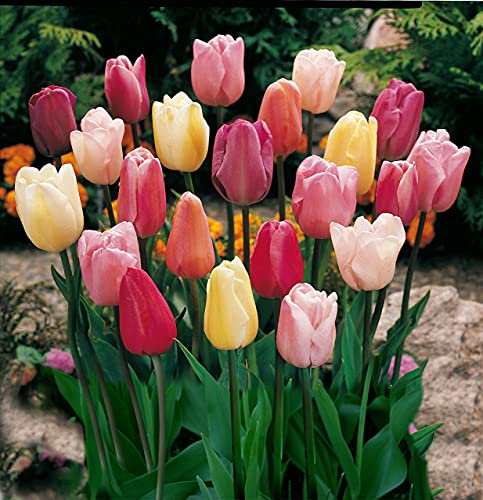
Van Zyverden Tulip Bulbs Mixture
Large, firm bulbs arrive dormant in vivid mixes ready for fall planting in cold winter beds. Bold spring color follows reliably in the first year. Growers praise the strong first year bloom and the range of shades packed into each mix.
Pros
- Large, firm bulbs
- Bold, reliable spring color
- Wide shade variety in each mix
Cons
- Best bloom often comes in year one
- Needs a real cold winter to rebloom well
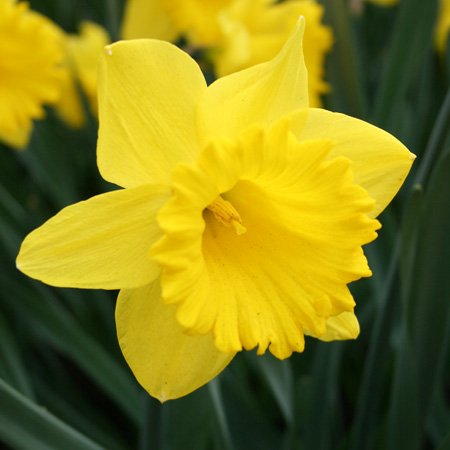
Longfield Gardens Daffodil Bulbs
Hardy perennial habit lets these daffodils return and multiply for years with little attention. Deer and rodents tend to leave them alone, which keeps maintenance low. Growers value that one fall planting keeps producing cheerful blooms each spring after.
Pros
- Returns and multiplies over time
- Deer and rodent resistant
- Very low ongoing maintenance
Cons
- Foliage must die back naturally after bloom
- Limited to yellow and white tones

Garden State Bulb Crocus Bulbs
Blooms push through late snow, making this among the earliest color of the gardening year. Generous bulb counts arrive at a low price, and drifts form naturally as corms naturalize over seasons. Growers plant them for cheap, early color under trees and along borders.
Pros
- Earliest color of the year
- High bulb count for the price
- Spreads into drifts over time
Cons
- Blooms stay small and brief
- Squirrels sometimes dig up the corms

Longfield Gardens Allium Bulbs
Tall stems topped with globe shaped purple flower heads draw both pollinators and attention. Bloom timing bridges the gap between spring and summer flowering. Growers value the deer resistance and the dramatic vertical structure these add to a bed.
Pros
- Striking globe shaped flowers
- Attracts pollinators reliably
- Deer resistant by nature
Cons
- Foliage fades before the bloom appears
- Fewer bulbs included per pack

Van Zyverden Dahlia Bulbs
Large, layered summer blooms in rich colors keep appearing until the first frost. Planting happens after the last spring freeze, and regular deadheading rewards growers with prolific flowers. Warmer zones can leave tubers in ground, while colder zones need to lift them over winter.
Pros
- Big, long lasting blooms
- Flowers continuously until frost
- Excellent as cut flowers
Cons
- Tubers need lifting in cold zones
- Tall growth requires staking
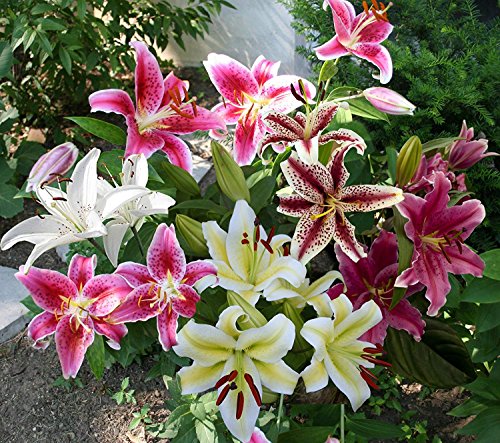
Garden State Bulb Oriental Lily Bulbs
Tall stems carry large, intensely fragrant blooms through midsummer. True perennial habit brings these back each year in suitable zones. Growers prize the scent and the sturdy stems that stand out in borders and cut bouquets alike.
Pros
- Powerful, pleasant fragrance
- Returns reliably every year
- Strong choice for cut flowers
Cons
- Toxic to cats
- Tall stems sometimes need support

Pretty Origin Ranunculus Bulbs
Densely petaled, rose like blooms in soft shades come from corms that need soaking before planting. Cool season growing rewards patience with abundant stems. Growers in mild winters, or those starting corms indoors in spring, get long lasting vase life from the cut flowers.
Pros
- Layered, rose like blooms
- Excellent vase life once cut
- Long stems suit arrangements
Cons
- Not cold hardy in most zones
- Corms require pre soaking before planting
How they compare
| # | Model | Bloom season | Best for | Score | Price |
|---|---|---|---|---|---|
| 1 | Van Zyverden Tulip Bulbs Mixture | Spring | Best overall | 9.3 | Check price |
| 2 | Longfield Gardens Daffodil Bulbs | Early to mid spring | Best for naturalizing | 9.2 | Check price |
| 3 | Garden State Bulb Crocus Bulbs | Very early spring | Best value | 9.0 | Check price |
| 4 | Longfield Gardens Allium Bulbs | Late spring to summer | Best for architectural blooms | 8.8 | Check price |
| 5 | Van Zyverden Dahlia Bulbs | Summer to fall | Best for summer color | 8.6 | Check price |
| 6 | Garden State Bulb Oriental Lily Bulbs | Mid to late summer | Best for fragrance | 8.4 | Check price |
| 7 | Pretty Origin Ranunculus Bulbs | Spring | Best for cut flowers | 8.1 | Check price |
Frequently asked questions
Are bigger flower bulbs really better?
Size and firmness are the main indicators of bloom quality. A large, solid bulb stores more energy and produces a stronger flower, while a soft or shriveled one often fails or blooms weakly. Freshness and proper storage before planting matter too.
When is the right time to plant flower bulbs?
Timing depends on the type. Cool season bulbs like tulips, daffodils and crocus go in during fall so winter chill triggers bloom. Frost tender bulbs such as dahlias and lilies wait for spring, after the last freeze passes.
Which flower bulbs come back every year?
Daffodils, crocus, alliums and many lilies are perennials that return and often multiply. Tulips can rebloom, but frequently perform best in their first year, so many gardeners treat them as short lived.
How deep should flower bulbs be planted?
A reliable rule is about three times the bulb’s height deep, pointed end up. Planting deep enough in well drained soil protects bulbs from frost and pests, while too shallow risks heaving and drying out.
How do you stop squirrels from digging up bulbs?
Rodent resistant types like daffodils, alliums and crocus avoid the problem entirely. Wire mesh over the planting protects tastier bulbs like tulips. Removing loose papery skins and firming the soil also makes bulbs less obvious to diggers.
Do flower bulbs need full sun to bloom well?
Most bulbs bloom best in full sun to part shade. Spring bulbs planted under deciduous trees still catch enough light before the canopy fills in. Good drainage often matters more than maximum sun exposure for healthy bulbs.
Can flower bulbs grow well in pots?
Yes, many bulbs thrive in containers with drainage holes and quality potting mix. Cold climates call for protecting potted bulbs from hard freezes, since exposed roots handle cold worse than bulbs planted in the ground.
Why do some flower bulbs fail to bloom?
Poor drainage causing rot ranks as the most common cause, alongside planting too shallow or insufficient winter chilling for spring bulbs. Cutting foliage back too early the previous year, before it recharges the bulb, also blocks bloom. Soft, low quality bulbs underperform regardless of care.
Final word
Van Zyverden tulips give most gardens the easiest route to a bold spring display. Longfield Gardens daffodils suit gardeners who want blooms that return and multiply with almost no care, while Garden State Bulb crocus deliver the earliest color at the lowest cost. Mixing bloom seasons keeps flowers coming for months rather than weeks.
Sierra Daniels
Sierra's background is in landscape design and nursery retail. She focuses on lawn and garden equipment, outdoor furniture and gear durability, weighing published specs against how materials actually hold up outside.