Which Science Kit Keeps Kids Curious for Longer?
National Geographic’s Mega Science Kit ranks best overall, mixing chemistry, geology, and other experiments in one box. Snap Circuits Jr. SC-100 leads for electronics with reusable, tool-free parts. For a low-cost single project, the 4M Crystal Growing Science Kit delivers a memorable result and teaches basic chemistry.
National Geographic’s Mega Science Kit tops this list for its range, spanning chemistry, geology, and other topics in a single box. Snap Circuits Jr. SC-100 stands out for electronics fans who want reusable, tool-free parts. Kids who want one big payoff rather than dozens of small experiments tend to prefer the 4M Crystal Growing Science Kit.
Age labels vary widely between kits, some boxes deliver one finished project while others pack in weeks of activities, and a few reactions call for close adult supervision. We compared these seven kits on recommended age, activity count, reuse potential, and supervision needs, drawing on manufacturer specifications and patterns owners report in reviews.
How to pick the right one
What to look for in a kids’ science kit Recommended age range determines whether a kit clicks or falls flat, so check it before anything else. Activity count sets how many sessions a kit provides, from one big project to dozens of short experiments. Reusable parts add long-term value, while consumable materials need replacing after one use. Supervision needs vary too, since reactions and small parts often call for an adult nearby.
How do you match a kit to your child’s age? Learn & Climb targets ages 4 and up with simple, illustrated experiments for early elementary kids. Most electronics and dinosaur-dig kits list an 8 and up recommendation. Thames & Kosmos Chemistry C500 and the 4M Crystal Growing Kit step up to age 10, since both involve more precise steps. Buying above or below the listed age often leads to frustration or lost interest.
One big project or dozens of small experiments? 4M Crystal Growing Kit and the dinosaur dig kit each focus on a single standout project with a clear finish. National Geographic Mega Science Kit and Be Amazing Big Bag of Science instead pack in dozens of shorter activities. A single-project kit suits a focused gift, while a multi-activity box suits a child who returns to it often.
Reusable electronics versus consumable chemistry and dig kits Snap Circuits parts snap apart and reuse indefinitely, so the kit supports new builds long after the guide is finished. Chemistry, crystal, and dig kits use up their core materials, which makes them closer to a one-time experience. Reusable kits often cost more upfront but spread that cost across more play sessions. Factor in mess too, since dig bricks and reactions can leave dust or residue that needs an easy-to-clean space.
The best picks, ranked
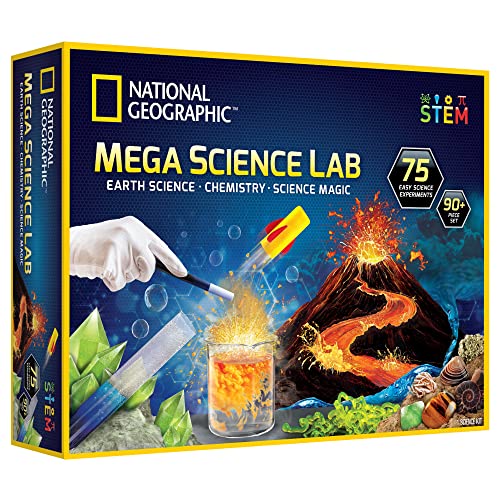
NATIONAL GEOGRAPHIC Mega Science Kit
This all-in-one box spans several science fields, from fizzing reactions to crystal growing and gemstone digging. Dozens of activities fit inside one purchase, so a single kit can replace multiple smaller sets. Owners report the variety keeps different age groups engaged over many sessions.
Pros
- Combines several science fields in one box
- Dozens of activities extend playtime
- Strong value against buying separate kits
Cons
- A few steps require adult help
- Consumable materials run out over time

Snap Circuits Jr. SC-100 Electronics Kit
Color-coded, snap-together pieces let kids build working circuits without soldering or loose wires. A project guide walks through roughly 100 circuits, from simple switches to sound and light effects. Every piece stays reusable, so builders can invent their own layouts once they finish the guide.
Pros
- No soldering or wiring skill needed
- Parts reuse indefinitely for new builds
- Illustrated guide explains each circuit clearly
Cons
- Needs AA batteries, not included
- Small pieces require organized storage

4M Crystal Growing Science Kit
A low-cost kit like this grows colorful crystals over several days from a simple starter base. Kids watch crystals form gradually, which builds patience alongside basic chemistry concepts. Based on its specifications, this is a focused single-project kit rather than an open-ended activity box.
Pros
- Low cost for a complete project
- Produces a keepsake finished crystal
- Simple enough for a first chemistry project
Cons
- Materials are single-use only
- Waiting several days requires patience

Thames & Kosmos Chemistry C500 Kit
Real glass beakers, tools, and a structured manual set this kit apart from novelty science boxes. Over 100 guided experiments move from basic reactions to more advanced procedures step by step. Tweens and older kids get a genuine introduction to lab technique rather than one-off tricks.
Pros
- Includes real lab equipment, not toys
- Structured manual builds skills progressively
- Suits older kids ready for real chemistry
Cons
- Requires closer adult supervision throughout
- Some experiments need extra household supplies

Learn & Climb Science Kit for Kids
Around 21 classic, safe experiments make up this starter kit for younger scientists. Step-by-step illustrated instructions keep each activity simple enough for early elementary kids to follow along. Owners report the colorful results hold attention without overwhelming a first-time experimenter.
Pros
- Instructions suit early elementary readers
- Safe, classic experiments with clear results
- Good entry point before bigger kits
Cons
- Fewer activities than mega kits offer
- Some materials get used up quickly

Be Amazing! Toys Big Bag of Science
Over 70 experiments fill this grab-bag kit, including water-absorbing polymers and color-changing reactions. Quick, visual demonstrations suit kids who want fast results rather than long procedures. Each activity stands alone, so sessions can be short or spread across many days.
Pros
- Wide range of quick, visual reactions
- Activities work in any order
- Keeps sessions short when time is tight
Cons
- Consumable supplies deplete after repeated use
- Messier steps need adult supervision
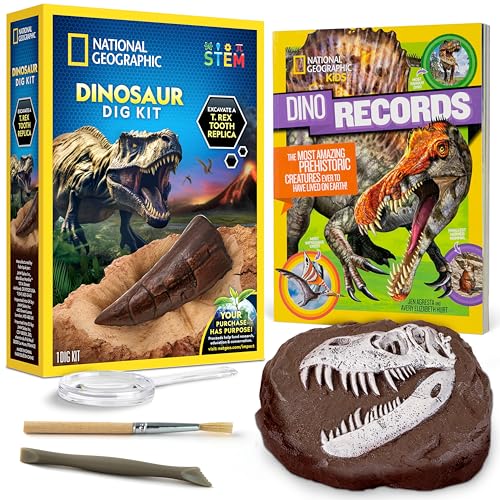
NATIONAL GEOGRAPHIC Ultimate Dinosaur Dig Kit
Included tools let kids chip real dinosaur teeth and bones out of a solid dig brick. Excavation replaces test tubes and reactions with a hands-on geology and paleontology activity. Dinosaur-obsessed kids often stay focused on this single project for hours at a time.
Pros
- Real fossil specimens to keep afterward
- Hands-on dig format holds attention
- Strong match for dinosaur-focused kids
Cons
- Digging produces noticeable dust
- Dig brick is a single-use material
How they compare
| # | Model | Age | Best for | Score | Price |
|---|---|---|---|---|---|
| 1 | NATIONAL GEOGRAPHIC Mega Science Kit | 8 and up | Best overall | 9.4 | Check price |
| 2 | Snap Circuits Jr. SC-100 Electronics Kit | 8 and up | Best for electronics | 9.1 | Check price |
| 3 | 4M Crystal Growing Science Kit | 10 and up | Best budget | 8.9 | Check price |
| 4 | Thames & Kosmos Chemistry C500 Kit | 10 and up | Best premium | 8.7 | Check price |
| 5 | Learn & Climb Science Kit for Kids | 4 and up | Best for young beginners | 8.4 | Check price |
| 6 | Be Amazing! Toys Big Bag of Science | 8 and up | Best variety | 8.2 | Check price |
| 7 | NATIONAL GEOGRAPHIC Ultimate Dinosaur Dig Kit | 8 and up | Best for young paleontologists | 8.0 | Check price |
Common questions
What age is right for a child’s first science kit?
Simple kits like Learn & Climb suit ages 4 to 7, while most chemistry and electronics sets list 8 and up. Always check the manufacturer’s age guidance, since it reflects both safety and step complexity.
Which science kit is best for a kid interested in electronics?
Snap Circuits Jr. SC-100 stands out for electronics because its snap-together parts build real circuits without soldering. The included guide covers around 100 projects, and every part reuses for future builds.
Is the Thames & Kosmos Chemistry C500 kit too advanced for an 8-year-old?
The C500 lists a recommended age of 10 and up, since its guided experiments use real beakers and closer procedures. Younger kids may need more hands-on adult help to follow each step.
Can science kits be reused after the first round of experiments?
Electronics kits like Snap Circuits reuse their parts indefinitely for new builds. Chemistry, crystal, and dig kits consume their core materials, so most become largely single-use once supplies run out.
Does a science kit include everything needed, or are extra supplies required?
Most kits supply the core materials but expect common household items like water or paper towels. Chemistry sets in particular often list a few extra supplies, so check the manual before starting.
How messy are chemistry and crystal-growing kits compared to electronics kits?
Chemistry reactions and dig bricks can leave dust or residue, so an easy-to-clean space helps. Snap Circuits and other electronics kits stay dry and tidy since building involves no liquids or powders.
Snap Circuits vs a chemistry set: which teaches more hands-on STEM skill?
Snap Circuits teaches circuit logic and building through repeatable, tool-free assembly. A chemistry set like the C500 teaches measurement, procedure, and observation with real lab equipment, which suits kids ready for structured steps.
What is the best science kit for a dinosaur-obsessed kid?
The National Geographic Ultimate Dinosaur Dig Kit lets kids excavate real teeth and bones from a dig brick using included tools. It turns geology and paleontology into a hands-on dig rather than a lab experiment.
How long will one science kit keep a child engaged?
A single-project kit like crystal growing fills one session plus a few days of waiting. Mega kits and reusable electronics sets can provide weeks or months of activity across many short sessions.
Are science kits safe for kids to use without an adult present?
Reputable kits are safe when the listed age range and instructions are followed closely. Many still recommend adult supervision for reactions, small parts, or dig tools, so check the safety notes first.
Our take
National Geographic’s Mega Science Kit remains the top pick for its range across chemistry, geology, and other fields in one box. Choose Snap Circuits Jr. SC-100 for a child focused on electronics, or the 4M Crystal Growing Science Kit for an affordable single project with a clear payoff.
Rachel Simmons
Rachel previously worked in child-product retail and brings a practical, detail-first eye to gear reviews, focusing on safety standards, ease of use and the fine print that matters most for new caregivers.