Ski and Snowboard Gear That Solves Real Cold-Weather Problems
Smith 4D Mag goggles, Hestra Army Leather Heli gloves and Smartwool Merino 250 top this list for frequent skiers and riders. Each targets a different problem: low-light visibility, warmth in deep cold and moisture control under a shell. Choose based on your coldest riding day, not brand name recognition.
Skiers who ride variable light all day get the most from Smith 4D Mag goggles, thanks to a quick-swap lens system and ChromaPop optics. The magnetic lens costs more than fixed-lens goggles. Riders on a budget or with milder light shifts may not need that swap speed.
Insulation grams, lens tint and fabric weight all trade off against each other depending on temperature and activity level, which makes winter gear picks tricky. We narrowed these seven by comparing manufacturer specs, owner feedback on fit and warmth, and how each item performs across specific resort or backcountry use.
How to choose
What to Look for in Winter Sports Accessories Cold-weather gear works as a system, and mismatched pieces leave gaps at the wrists, neck and face. Insulation grams, fabric weight and lens VLT each target one exposure point rather than overall warmth. Riders who layer thin, breathable pieces under a warmer shell report fewer overheating issues than those relying on one heavily insulated item. Fit matters as much as material, since a gap at the cuff or collar lets cold air bypass insulation entirely.
How Do You Choose the Right Goggle Lens? Lens VLT, or visible light transmission, sets how much light reaches the eye. Lower percentages suit bright bluebird days, while higher percentages help on flat, overcast light. A magnetic swap system like the Smith 4D Mag serves riders who see variable conditions in one day better than carrying two full goggles. Anti-fog coating on the lens interior curbs moisture buildup during exertion, which matters more on warmer spring days. Frame size should match face width, since gaps at the temple let in wind and snow.
Choosing Glove Insulation for Cold Hands Insulation weight, measured in grams, marks how much synthetic fill sits between shell and liner. Gloves in the 40g to 60g range suit active riders generating their own body heat, while 100g or higher fills work better for lift-heavy days with less movement. A removable liner, like the one on the Hestra Army Leather Heli, dries faster overnight than a fixed liner. Leather palms improve pole and edge grip but need occasional conditioning to stay water resistant.
Layering Strategy for Resort and Backcountry Days A merino or synthetic base layer at 200 to 250 gsm handles moisture management closest to the skin. Fleece or synthetic midlayer insulation adds warmth without bulk, and a waterproof breathable shell blocks wind and precipitation on top. Backcountry touring calls for a base layer sized slightly closer to the body for better wicking during high-output climbs. Resort skiers who spend more time on lifts than moving benefit from a heavier midlayer instead of leaning on the shell alone.
Our top picks

Smith 4D Mag Snow Goggles
BirdsEye Vision framing widens the peripheral view, and a ChromaPop lens sits at 23% VLT for mixed-light days. Lens changes happen through a magnetic, tool-free system that swaps tints in seconds. Triple-layer face foam and a silicone-backed strap keep the goggle seated under a helmet.
Pros
- Swaps lenses fast as light changes
- Delivers a wide peripheral field of view
- Fits most helmets without extra clips
Cons
- Runs pricier than fixed-lens goggles
- Replacement lenses add to total cost

Hestra Army Leather Heli Ski Gloves
A goat leather palm pairs with a removable 100g Thinsulate liner that traps heat during long chairlift waits. The gauntlet cuff cinches over a shell sleeve to keep powder from reaching the wrist. Pulling the liner out for separate drying extends its usable life in wet conditions.
Pros
- Liner pulls out and dries faster overnight
- Leather palm improves grip on poles
- Gauntlet cuff blocks snow at the wrist
Cons
- Leather needs periodic reproofing
- Bulkier fit than thin liner gloves

OutdoorMaster Pro Ski Goggles
An interchangeable spherical lens rated at 60% VLT ships for overcast days, alongside a second low-light lens in the same box. Double-layer anti-fog glass with an anti-scratch coating resists moisture buildup during hard runs. An anti-slip silicone strap adjusts to most helmet clips.
Pros
- Bonus lens covers a second light condition
- Costs noticeably less than premium brands
- Anti-fog coating holds up on lift rides
Cons
- Lens swaps take longer than magnetic systems
- Frame fits narrower faces better than wide ones
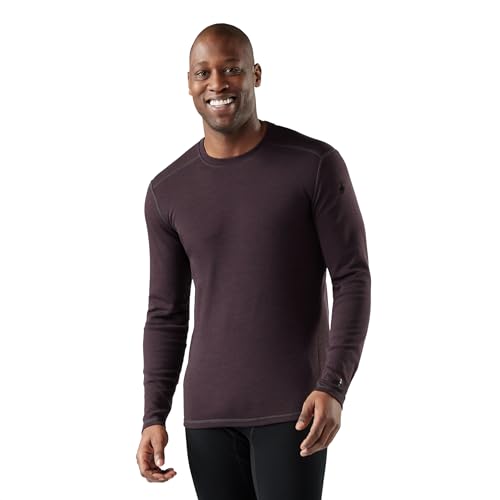
Smartwool Merino 250 Base Layer Crew
Merino wool at 250 grams per square meter balances warmth with breathability for aerobic days on the mountain. Flatlock seams cut down on chafing under a shell jacket and midlayer. Multi-day trips stay odor-free without daily washing, thanks to the merino fiber itself.
Pros
- Regulates temperature during high-output days
- Resists odor across multi-day trips
- Flatlock seams reduce chafing under layers
Cons
- Wears thinner faster than synthetic blends
- Needs hand-wash care for longevity

Giro Range MIPS Snow Helmet
A MIPS liner lets the helmet shift slightly on angled impacts, cutting rotational force transfer to the head. In-mold shell construction keeps weight down while adjustable vents manage airflow on warmer spring days. A Fidlock magnetic buckle closes one-handed, even with thick gloves on.
Pros
- MIPS liner addresses rotational impact force
- One-hand buckle works even with thick gloves
- Adjustable vents handle temperature swings
Cons
- Vent sliders can ice up in wet snow
- Sizing runs slightly large, check the chart

Burton Gore-Tex Under Gloves
A Gore-Tex membrane blocks wind and moisture while a thin 40g synthetic fill keeps bulk low for buckling boots and gripping a phone. Touchscreen-compatible fingertips skip the need to strip a glove at the lift scanner. Fit sits closer to the hand than gauntlet-style gloves for board control.
Pros
- Low bulk helps with fine motor tasks
- Touchscreen fingers avoid bare-hand exposure
- Gore-Tex membrane cuts wind chill
Cons
- Offers less warmth than heavier gauntlet gloves
- Liner stays fixed, not removable

Dakine Tomahawk Neck Gaiter
Brushed polyester fleece forms a tube that covers the neck and pulls up over the nose and mouth on exposed chairlifts. Four-way stretch fabric moves with head turns without binding at the collar. It packs flat into a jacket pocket on warmer runs when it’s not needed.
Pros
- Costs far less than a dedicated balaclava
- Stretch fabric moves freely with head turns
- Packs compact enough for a jacket pocket
Cons
- Offers less warmth than a dedicated balaclava
- Can slip down during vigorous runs
Side by side
| # | Model | Lens VLT | Best for | Score | Price |
|---|---|---|---|---|---|
| 1 | Smith 4D Mag Snow Goggles | 23% (included lens) | Best overall | 9.4 | Check price |
| 2 | Hestra Army Leather Heli Ski Gloves | 100g Thinsulate, removable liner | Best for cold-hand riders | 9.2 | Check price |
| 3 | OutdoorMaster Pro Ski Goggles | 60% (standard lens) | Best value | 9.0 | Check price |
| 4 | Smartwool Merino 250 Base Layer Crew | 250 gsm merino wool | Best for layering | 8.9 | Check price |
| 5 | Giro Range MIPS Snow Helmet | MIPS rotational protection | Best for impact protection | 8.8 | Check price |
| 6 | Burton Gore-Tex Under Gloves | 40g synthetic | Best for dexterity | 8.7 | Check price |
| 7 | Dakine Tomahawk Neck Gaiter | Brushed polyester fleece | Best for wind protection | 8.0 | Check price |
Questions worth asking
What VLT works best for ski goggles in mixed conditions?
A lens rated between 20% and 40% VLT handles the widest range of daylight, which is why interchangeable systems like the Smith 4D Mag pair a mid-range lens with a low-light option for storms or overcast skies.
How many grams of insulation do ski gloves need?
Active skiers generating their own heat often do fine with 40g to 60g fill. Riders who feel cold hands on lifts or in deep winter should look at 100g or higher, as found in the Hestra Army Leather Heli.
Are magnetic lens goggles worth the extra cost?
Skiers riding from dawn storms into afternoon sun save time with a magnetic swap system over carrying a second full goggle. Budget-focused riders can get similar flexibility from a kit that includes two lenses, like the OutdoorMaster Pro.
What is MIPS and does it matter for a ski helmet?
MIPS is a low-friction liner layer that lets a helmet shift slightly on angled impacts, cutting rotational force to the brain compared with a standard foam-only shell. That’s why it shows up on higher-tier helmets like the Giro Range.
Merino wool vs synthetic base layer for skiing, which wins?
Merino wool at 250 gsm resists odor better across multi-day trips and regulates temperature well. Synthetic base layers dry faster and hold up to frequent washing, so the choice comes down to trip length versus durability needs.
Can a neck gaiter replace a balaclava for cold days?
A fleece neck gaiter like the Dakine Tomahawk covers the neck and pulls up over the nose, but a dedicated balaclava gives more secure, consistent coverage for full-face wind exposure on exposed lifts or ridgelines.
Which ski gloves work best for touchscreen use on the mountain?
Gloves built with touchscreen-compatible fingertips, like the Burton Gore-Tex Under Glove, let riders use a phone or lift pass scanner without removing a glove in freezing temperatures.
Do ski goggles fit over glasses or only helmets?
Most goggles, including the models compared here, size to fit over the OTG channel for prescription glasses and separately clip to helmet vents. Check both frame width and helmet compatibility before buying to avoid fit issues.
Is a heavier glove always warmer for skiing?
Not necessarily. A thicker glove like the Hestra Army Leather Heli traps more heat for lift-heavy days, but active riders who generate body heat through movement often stay warmer in a lower-bulk glove like the Burton Gore-Tex Under Glove.
The verdict
Smith 4D Mag goggles take the top spot for skiers who face variable light throughout the day, since the magnetic lens swap and wide field of view solve a real on-mountain problem. Budget-conscious riders or those newer to the sport should start with the OutdoorMaster Pro instead, since its included second lens covers similar ground for less money. Anyone with persistently cold hands should prioritize the Hestra Army Leather Heli over a goggle upgrade, since glove insulation affects comfort more directly across long lift-heavy days.
Derek Holt
Derek has a background coaching recreational and amateur athletes and has worked the sales floor at specialty fitness retailers. He focuses on equipment durability, ergonomics and realistic use cases rather than marketing claims.