Which Snowboard Shape Matches Your Skill Level?
Burton’s Custom snowboard leads for all mountain versatility across skill levels. Riders chasing deep snow should look at the Jones Mountain Twin for its directional float. Beginners get forgiving flex and stability from the Rossignol District, easing early runs on groomed terrain.
Three boards suit distinct riding styles. Burton’s Custom handles groomed runs, park features and light powder well enough to serve as a single quiver board. Jones’ Mountain Twin floats through deep snow on a directional shape built for backcountry days. Rossignol’s District keeps flex soft and forgiving for riders still building confidence.
Camber profile and flex rating matter more than graphics once you are actually riding. Traditional camber holds an edge on ice. Rocker floats easier in powder but grips less on hardpack. We compared core wood type, camber profile, flex rating and shape, then checked owner reports on edge hold, pop off jumps and hardpack durability after a season.
What to look for
Camber versus rocker profiles explained Traditional camber arcs upward between the bindings, pressing edges down for grip. Rocker curves the opposite way, lifting tip and tail to float in powder. Many boards blend both, adding camber underfoot with rocker in the nose or tail.
Matching flex rating to skill level Soft flex boards, rated 1 to 4, forgive mistakes and suit riders learning turns. Stiffer boards rated 7 and above reward aggressive carving on variable terrain. Hesitant movements get punished more on a stiff board than a soft one.
How shape changes performance by terrain True twin shapes ride symmetrically, suiting park laps and switch stance work. Directional shapes carry a longer nose and setback stance for float in powder. Stability at speed improves on a directional board, at some cost to switch riding.
Core material and durability Wood remains the standard core material for pop and durability. Poplar and bamboo blends show up across most price points. Carbon or fiberglass reinforcement adds stiffness without much extra weight, typically on higher priced boards.
What we recommend

Burton Custom Snowboard
A directional twin shape and medium flex handle groomers, park laps and moderate powder. Poplar wood core with carbon accents adds pop for jumps. Weight stays reasonable for intermediate to advanced riders wanting one board for varied terrain.
Pros
- Handles groomers, park and light powder
- Carbon accents add pop for jumps
- Camber holds an edge on ice
Cons
- Less forgiving than rocker boards for beginners
- Not a dedicated shape for deep powder

Jones Mountain Twin Snowboard
A setback stance and rocker nose float through deep snow better than a true twin shape. Twin flex pattern still lets it ride switch reasonably well. Backcountry and resort powder days suit it more than park laps.
Pros
- Nose rocker floats well in deep snow
- Directional shape stays stable at speed
- Rides switch reasonably despite the setback
Cons
- Less playful in the park than a true twin
- Setback stance limits switch riding somewhat

Rossignol District Snowboard
Soft flex and a true twin shape turn easily for riders still learning edge transitions. Rocker camber reduces catching an edge, a common beginner frustration. Stiffer boards outperform it at higher speeds, but it excels for learning and mellow groomers.
Pros
- Soft flex forgives beginner mistakes
- Rocker profile reduces edge catching
- True twin shape suits learning both directions
Cons
- Less stable at higher speeds
- Soft flex limits advanced carving

K2 Party Platter Snowboard
A true twin shape with balanced rocker and camber suits jibbing, jumps and rail features. Medium flex adds pop without feeling unstable on landings. Groomers between park laps ride fine, though deep powder is not its strength.
Pros
- True twin shape suits switch riding
- Balanced flex handles jumps and rails
- Playful feel for park laps
Cons
- Not built for deep powder conditions
- Less stable at high speed than stiffer boards

Never Summer Proto Type Two Snowboard
Stiffer flex and a camber dominant profile reward riders who charge groomers and carve hard. A rocker camber rocker blend still forgives some variable snow. Confident intermediate to advanced riders get the most from the extra rider input it demands.
Pros
- Stiff flex rewards aggressive carving
- Handles variable snow conditions well
- Durable construction for frequent riders
Cons
- Too stiff and demanding for beginners
- Costs more than entry level boards

Salomon Pulse Snowboard
A softer flex twin shape covers groomers and mellow park laps below premium all mountain pricing. Ice hold trails a camber dominant board, but it performs reliably for typical resort days. Riders progressing from beginner to intermediate get the most from this shape.
Pros
- Affordable versatile all mountain shape
- Soft flex eases the learning curve
- Lightweight and easy to maneuver
Cons
- Edge hold weaker on icy groomers
- Outgrown quickly by advancing riders
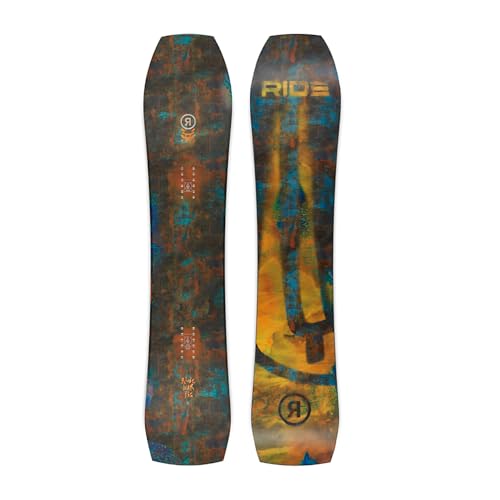
Ride Warpig Snowboard
A directional shape with stiffer flex targets riders wanting stability at speed without premium pricing. It is not a powder specific board, though the setback stance improves float slightly over a true twin. Full camber underfoot holds an edge solidly on groomers.
Pros
- Solid edge hold on groomed runs
- Affordable relative to premium directional boards
- Setback stance aids stability at speed
Cons
- Not a dedicated powder or park board
- Stiffer flex less forgiving for new riders
How they compare
| # | Model | Core | Best for | Score | Price |
|---|---|---|---|---|---|
| 1 | Burton Custom Snowboard | Poplar wood with carbon | Best overall | 9.4 | Check price |
| 2 | Jones Mountain Twin Snowboard | Sustainably sourced wood core | Best for powder | 9.1 | Check price |
| 3 | Rossignol District Snowboard | Poplar wood | Best for beginners | 8.8 | Check price |
| 4 | K2 Party Platter Snowboard | Wood core, twin shape | Best for park riding | 8.6 | Check price |
| 5 | Never Summer Proto Type Two Snowboard | Bamboo and wood blend | Best for advanced riders | 8.9 | Check price |
| 6 | Salomon Pulse Snowboard | Wood core | Best value | 8.3 | Check price |
| 7 | Ride Warpig Snowboard | Wood core, directional | Best budget | 8.0 | Check price |
Good to know
What is the difference between camber and rocker snowboards?
Camber boards arc upward between the feet for edge grip and pop, suiting groomers and carving. Rocker boards curve the other way, floating easier in powder and resisting catching an edge.
Which snowboard shape is best for beginners?
A true twin shape with rocker camber and soft flex, like the Rossignol District, forgives mistakes and reduces edge catching while learning turns and stops.
Is a directional or twin snowboard better?
Twin shapes suit park riding and switch stance equally in both directions. Directional shapes with a setback stance improve float in powder and stability at speed but ride less symmetrically switch.
What flex rating should I choose for a snowboard?
Beginners generally do best with soft flex rated 1 to 4. Intermediate riders suit medium flex around 5 to 6. Advanced riders who carve aggressively benefit from stiff flex rated 7 and above.
Do I need a different snowboard for powder days?
A dedicated directional board with nose rocker, like the Jones Mountain Twin, floats significantly better in deep snow than a true twin board built for groomers and park.
How often should a snowboard get replaced?
Most riders replace a board every three to seven seasons depending on frequency of use, since base and edge wear accumulate and camber can lose its pop.
What snowboard core material lasts longest?
Wood cores, particularly poplar and bamboo blends, remain the most common and durable choice, often reinforced with carbon or fiberglass stringers for added stiffness.
Can one snowboard handle both park and powder riding?
A hybrid camber all mountain board, like the Burton Custom, handles both reasonably well, though a dedicated park twin or powder directional board outperforms it in its specific terrain.
How do I know what flex rating my snowboard has?
Most manufacturers list a flex number from 1 to 10 on the spec sheet or product listing, with lower numbers marking softer, more forgiving boards.
Twin versus directional snowboard for a beginner: which is safer?
A true twin shape is generally easier for a beginner, since it rides the same in both directions and forgives switch stance mistakes better than a directional board.
Our take
Choose Burton’s Custom when one board needs to handle groomers, park and light powder. Riders chasing deep snow days should pick the Jones Mountain Twin instead, since its directional float outperforms any twin shape in powder. Beginners progress faster and with less frustration on the forgiving Rossignol District.
Derek Holt
Derek has a background coaching recreational and amateur athletes and has worked the sales floor at specialty fitness retailers. He focuses on equipment durability, ergonomics and realistic use cases rather than marketing claims.
You might also need

Core Products Soft Foam Neck Brace: Gentle Support for $16.49?

Why Does a Punching Bag Need to Be the Right Weight for Your Size?

Why Does a Jump Rope’s Weight Change the Workout Difficulty?
