Pressure Washers Strong Enough to Strip Driveway Grime
Sun Joe’s SPX3000 leads for everyday cleaning, pairing real pressure with dual detergent tanks and a light frame. Simpson’s gas powered MSH3125 handles driveways and heavy grime. Karcher’s K5 is the premium electric pick, built around a water cooled motor for quieter, longer service life.
Sun Joe’s SPX3000 fits most homeowners best, balancing real cleaning power with a light frame that is easy to store. Simpson’s MSH3125 steps in for driveways, concrete and other heavy jobs a gas engine handles better. Karcher’s K5 rounds out the top three as a quieter, longer lasting electric option.
Comparing pressure washers gets tricky because cleaning speed depends on both PSI and GPM together, not PSI by itself. Gas and electric models also suit different jobs, not different tiers of the same job. We compared published specifications and manufacturer performance claims against recurring themes in owner feedback, weighting real cleaning units, durability and ease of use over headline PSI numbers.
What we recommend

Sun Joe SPX3000
This electric washer built a following on respectable pressure paired with two onboard detergent tanks. A light frame makes it easy to move between the driveway and the shed. Owners report it handles cars, patios and siding well, though the plastic fittings call for gentle handling.
Pros
- Strong value for everyday cleaning
- Two onboard detergent tanks
- Light and easy to store
Cons
- Plastic connectors feel less durable
- Hose runs shorter than some rivals

Simpson MSH3125 MegaShot
A Honda GC190 engine gives the MegaShot enough pressure and flow to strip paint, clean concrete and tackle large driveways. Owners value the cleaning speed this combination delivers. Weight, noise and routine engine care come with the territory of any gas machine.
Pros
- Serious cleaning power for tough jobs
- Reliable Honda engine
- No power cord to limit range
Cons
- Heavy and loud
- Needs fuel and engine maintenance
Karcher K5
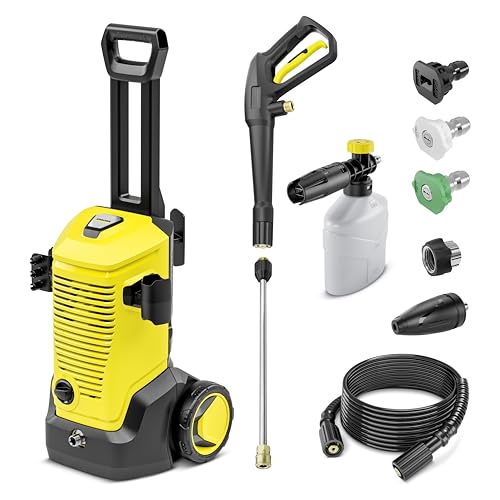
A water cooled induction motor runs quieter and lasts longer than the universal motors found in cheaper washers. Specifications point to a machine built for regular driveway and patio cleaning. Owners appreciate the onboard hose reel, and the premium position in Karcher’s lineup reflects that build quality.
Pros
- Durable water-cooled induction motor
- Convenient onboard hose reel
- Quieter than universal-motor models
Cons
- Sits at a premium price point in the range
- Lower peak PSI than some rivals

Ryobi RY142300 Brushless
A brushless induction motor keeps this Ryobi quieter and longer lasting than brushed alternatives. Onboard storage keeps the hose and accessories together instead of loose in a shed. Owners report solid results on cars and decks, and the upright cart rolls easily around the yard.
Pros
- Quiet, durable brushless motor
- Tidy onboard accessory storage
- Easy-rolling upright cart
Cons
- Lower flow rate than the Sun Joe
- Larger footprint to store
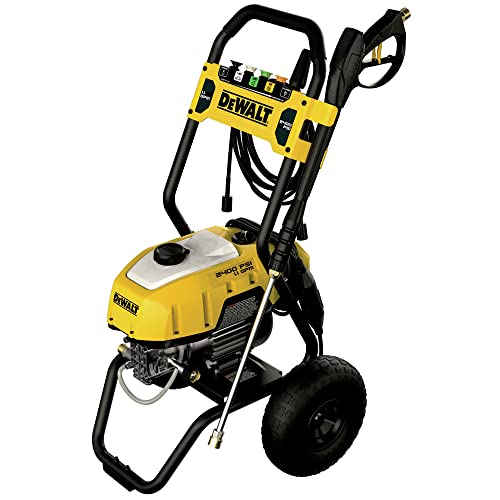
DeWalt DWPW2400
Higher pressure fits into a relatively compact electric package here, built around a horizontal axis design and a metal spray wand. Owners like the four quick connect nozzle tips and the manageable size. Lower flow rate means large areas take longer to clean than with a higher GPM machine.
Pros
- High pressure for an electric model
- Compact and easy to handle
- Includes multiple quick-connect tips
Cons
- Low flow rate slows big jobs
- No onboard detergent tank

Westinghouse WPX3200
Gas level pressure and flow arrive here at a friendlier position than premium engine badges usually command. Five nozzle tips and a soap tank round out a practical kit for owners wanting gas power without a top tier price. Regular upkeep still applies, as with any gas washer.
Pros
- Strong gas power for the value
- Five quick-connect nozzle tips
- Onboard soap tank
Cons
- Requires engine maintenance
- Heavy to move on uneven ground
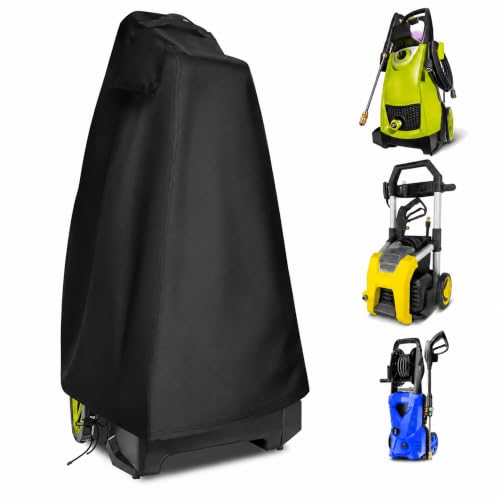
Greenworks GPW1950
This compact electric washer targets cars, outdoor furniture and other lighter cleaning tasks. Owners appreciate how easily it carries and sets up around the yard. Concrete stripping sits outside its range, but routine household cleaning gets handled without fuss.
Pros
- Lightweight and easy to set up
- Good for cars and furniture
- Simple, no-fuss operation
Cons
- Not suited to heavy grime
- Shorter hose limits reach
How they stack up
| # | Model | Pressure | Best for | Score | Price |
|---|---|---|---|---|---|
| 1 | Sun Joe SPX3000 | 2030 PSI | Best overall | 9.4 | Check price |
| 2 | Simpson MSH3125 MegaShot | 3200 PSI | Best for heavy-duty jobs | 9.1 | Check price |
| 3 | Karcher K5 | 2000 PSI | Best premium electric | 8.9 | Check price |
| 4 | Ryobi RY142300 Brushless | 2300 PSI | Best brushless electric | 8.6 | Check price |
| 5 | DeWalt DWPW2400 | 2400 PSI | Best for portability | 8.4 | Check price |
| 6 | Westinghouse WPX3200 | 3200 PSI | Best gas value | 8.2 | Check price |
| 7 | Greenworks GPW1950 | 1950 PSI | Best for light cleaning | 8.0 | Check price |
Before you buy
What matters more, PSI or GPM? Cleaning power comes from two numbers working together. PSI blasts grime loose, while GPM rinses it away. Multiplying the two gives a rough measure called cleaning units. A washer with moderate PSI and higher GPM often cleans faster than one with high PSI and low flow, so judging by PSI alone misses the point.
Electric or gas: which pressure washer fits your yard? Electric washers stay lighter, quieter and cheaper to maintain, fine for cars, decks and siding. Gas washers deliver much higher pressure and flow for driveways, concrete and paint prep, though they weigh more, run louder and need fuel, oil and engine care. Base the choice on your biggest recurring job, not the toughest one-off task.
How do nozzle tips change the spray? Most washers ship with several quick connect tips rated by spray angle, from a narrow 0 degree jet to a wide 40 degree fan and a soap tip. Wider angles stay gentler and safer on painted surfaces, while narrow tips concentrate power but can gouge wood or strip paint. A turbo or rotary nozzle speeds up tough jobs.
What keeps a pressure washer running for years? Pump and fitting materials matter here, since brass connectors and metal wands outlast plastic. Induction and brushless motors run quieter and last longer than universal motors. Never run the pump dry, relieve pressure before disconnecting, and follow the engine oil and fuel guidance on gas models to avoid early wear.
Good to know
How much PSI do I need for a pressure washer?
For cars and outdoor furniture, 1300 to 1900 PSI covers the job. Decks, siding and patios suit 2000 to 2800 PSI. Concrete, driveways and paint prep benefit from 3000 PSI or more, usually meaning a gas model.
Is electric or gas better for home use?
Electric suits most homeowners better, since it stays lighter, quieter and needs little maintenance while handling cars, decks and siding easily. Gas wins out for large concrete areas or when maximum power matters more than an outlet nearby.
What does GPM mean and why does it matter?
GPM stands for gallons per minute, the volume of water a washer moves. Higher GPM rinses loosened grime away faster, which strongly affects cleaning speed. A balanced combination of PSI and GPM cleans more efficiently than high PSI alone.
Can a pressure washer damage my car or deck?
Yes, if the nozzle sits too narrow or too close to the surface. Use a wider 25 or 40 degree tip, keep a safe distance, and test on a small area first. Wood decks and painted surfaces need extra care.
Do pressure washers need hot or cold water?
Nearly all consumer models, including every one here, run on cold water from a garden hose. Hot water machines exist for grease and industrial cleaning but cost more, weigh more and stay unnecessary for home use.
How do I maintain a pressure washer?
Never run the pump dry, relieve pressure before disconnecting hoses, and store the unit somewhere it will not freeze. Gas models also need regular oil changes, fuel stabilizer for storage and occasional spark plug checks.
What is the difference between pressure washer nozzle tips?
Tips carry a rating by spray angle. A 0 degree tip delivers a narrow, powerful jet, 15 and 25 degree tips balance power and coverage, 40 degree gives a gentle wide fan, and the black soap tip lowers pressure to apply detergent.
Can I use any detergent in a pressure washer?
Stick to detergents labeled safe for pressure washers, applied through the low pressure soap tip. Household cleaners and bleach can damage pump seals, since they were never designed for a washer’s flow rate.
Why is my pressure washer losing pressure?
Common causes include a clogged nozzle, a kinked hose, low water supply, air in the pump or a worn seal. Clearing the tip and confirming full water flow from the tap resolves most sudden pressure drops.
Our pick
Sun Joe’s SPX3000 suits most homeowners best, balancing cleaning power, value and easy storage. Choose the gas powered Simpson MSH3125 for heavy concrete and driveway work, or Karcher’s K5 for a quieter, more durable premium electric machine.
Sierra Daniels
Sierra's background is in landscape design and nursery retail. She focuses on lawn and garden equipment, outdoor furniture and gear durability, weighing published specs against how materials actually hold up outside.