Percolators and Classic Brewers for Old-Fashioned Coffee
The Farberware Classic Yosemite Stovetop Percolator is the strongest overall pick for true old-fashioned percolated coffee. The Presto 12-Cup Electric Percolator suits buyers who want percolator flavor without watching a stovetop, while the Bialetti Moka Express fits anyone who prefers strong, espresso-style coffee over a full pot.
The Farberware Classic Yosemite Stovetop Percolator leads this list because it reproduces the bubbling, fully percolated coffee older coffee drinkers grew up with, using a stainless steel body built for stovetop use. Its main tradeoff is that it needs active attention on the stove, unlike a modern drip machine. The rest of this list covers electric percolators, moka pots and pour-over gear for buyers who want old-school flavor with a different brewing method.
We compared listed capacity, material, heat source and brewing style across each product rather than running our own taste tests.
Our top picks
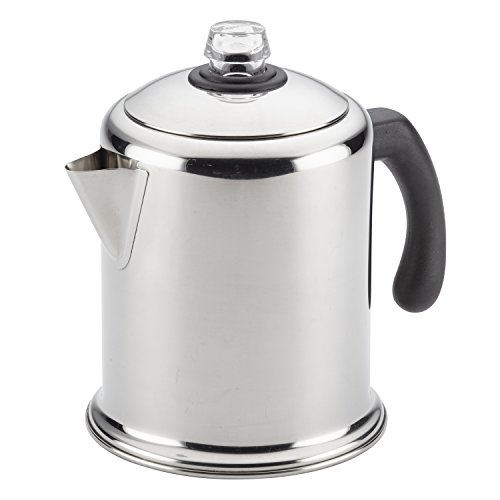
Farberware Classic Yosemite Stovetop Percolator
This eight-cup stainless steel percolator sits directly on a gas or electric burner, brewing coffee the way many households did before drip machines took over. A glass knob on the lid lets a cook watch the percolation cycle without lifting the top. The design has stayed close to its original decades-old shape, appealing to buyers who want the real stovetop experience.
Pros
- Classic stovetop percolation matches old-fashioned coffee taste
- Stainless steel body holds up to regular stovetop use
- Glass knob lets you watch the brew without opening the lid
Cons
- Needs active attention on the stove rather than automatic shutoff
- Percolated coffee runs stronger and more bitter than drip coffee

Presto 12-Cup Stainless Steel Electric Percolator
This twelve-cup electric percolator brews the same bubbling-style coffee as a stovetop model without needing a burner to watch. A detachable cord simplifies serving and cleanup compared to a stovetop pot. Stainless steel construction keeps the exterior durable through repeated daily brewing.
Pros
- Larger 12-cup capacity suits bigger households or gatherings
- Self-contained electric heating frees up stovetop space
- Detachable cord makes serving at the table easier
Cons
- Takes up more counter space than a compact stovetop percolator
- Still produces the stronger, more bitter taste typical of percolated coffee

West Bend Highland Stainless Steel Electric Percolator
This electric percolator holds a dozen cups and keeps brewed coffee warm after the percolation cycle ends, suited to potlucks and family gatherings. A hinged lid and sturdy handle make transporting it between kitchen and table simpler. The brand has made similar percolators for decades, keeping the basic design familiar to longtime users.
Pros
- Keep-warm function suits potlucks and extended gatherings
- Hinged lid and handle simplify moving a full pot
- Long-running design stays familiar to longtime percolator users
Cons
- Keep-warm cycle can over-extract coffee if left on too long
- Bulkier shape than smaller stovetop percolators
Hamilton Beach 12-Cup Electric Percolator
This percolator brews up to twelve cups at a lower typical cost than premium stainless steel competitors. A simple on and off operation keeps the control layout close to percolators from decades past. The pot doubles as a serving vessel once brewing finishes, cutting down on extra dishes.
Pros
- Lower typical cost than premium percolator brands
- Simple controls match the straightforward feel of older machines
- Doubles as a serving pot, reducing extra cleanup
Cons
- Fewer finish and capacity options than higher-end percolators
- Lacks a keep-warm feature found on pricier electric models

Chemex Classic Series 6-Cup Pour-Over Coffee Maker
This glass pour-over brewer uses thick paper filters and a manual pouring technique rather than percolation, producing a cleaner cup than a percolator’s stronger brew. The hourglass-shaped glass body has stayed visually unchanged since its original mid-century design. A wood collar and leather tie let a drinker handle the glass safely while pouring.
Pros
- Produces a cleaner, less bitter cup than percolated coffee
- Iconic mid-century design doubles as a countertop display piece
- Wood collar and leather tie make handling hot glass safer
Cons
- Requires manual pouring technique rather than automatic brewing
- Proprietary filters cost more than standard paper filters

Bialetti Moka Express 6-Cup Stovetop Espresso Maker
This aluminum stovetop pot forces hot water through finely ground coffee using steam pressure, producing a stronger result than drip or percolated coffee. The octagonal shape has remained part of its design since the brand’s early releases. It suits buyers who want concentrated coffee to drink straight or mix into milk-based drinks.
Pros
- Produces concentrated, espresso-style coffee stronger than percolators
- Compact size suits smaller households or single servings
- Classic octagonal design recognized across generations
Cons
- Smaller total output than a full percolator pot
- Aluminum body needs careful cleaning to avoid pitting over time
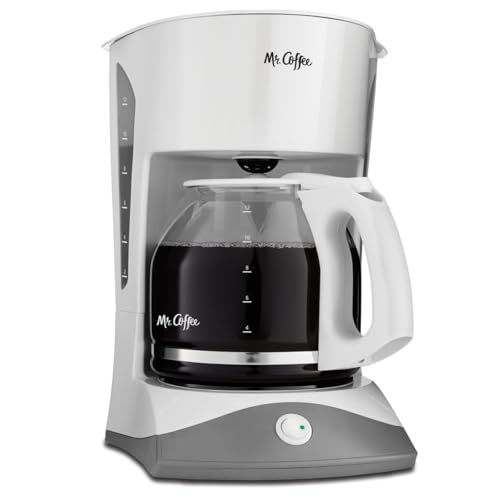
Mr. Coffee Simple Brew 12-Cup Switch Coffee Maker
This basic drip machine skips programmable settings and digital displays in favor of a single on and off switch, closer in feel to early drip machines than today’s connected models. A twelve-cup glass carafe keeps the brewed pot visible and simple to pour. It suits buyers who want straightforward drip coffee without extra features to manage.
Pros
- Simple on and off control avoids digital menus and settings
- Glass carafe lets you see coffee level without lifting it
- Lower cost than percolators or specialty brewing equipment
Cons
- Drip brewing lacks the bold taste of a true percolator
- No keep-warm timer beyond the carafe’s warming plate
Before you buy
What makes a coffee maker feel old school Percolation, where boiling water cycles up through a tube and over grounds repeatedly, produces the strong, slightly bitter cup many people associate with older coffee makers. Material matters too, since stainless steel and aluminum pots, common on this list, dominated kitchens before plastic drip machines became standard. Capacity in cups tells buyers how many servings a single brew cycle produces, important for households that drink coffee throughout the morning.
Stovetop versus electric percolators A stovetop model like the Farberware Classic Yosemite needs a burner and some attention during brewing, but skips the cost of an internal heating element. Electric percolators, including the Presto and West Bend Highland, brew and keep coffee warm without tying up stovetop space. Buyers who already use their stove for breakfast cooking may prefer an electric model to avoid competing for burner space.
Percolators versus pour-over and moka pot brewing Percolators recycle hot water through the same grounds multiple times, producing a stronger, less refined flavor than a single-pass method. The Chemex pour-over uses one controlled pour through thick filters for a cleaner cup, while the Bialetti Moka Express uses steam pressure for a concentrated, espresso-style result. Buyers who find percolated coffee too bitter may prefer the Chemex or Moka Express for a different old-school brewing style.
Choosing capacity for your household A 6-cup brewer like the Chemex or Bialetti Moka Express suits one or two coffee drinkers who do not need a full pot sitting out all morning. A 12-cup electric percolator, like the Presto or Hamilton Beach model, fits larger households or anyone hosting guests. Buyers should also consider how long coffee sits before the last cup, since percolated and drip coffee both lose flavor the longer they sit on heat.
Side by side
| # | Model | Capacity | Best for | Score | Price |
|---|---|---|---|---|---|
| 1 | Farberware Classic Yosemite Stovetop Percolator | 8 cups | Best Overall | 8.9 | Check price |
| 2 | Presto 12-Cup Stainless Steel Electric Percolator | 12 cups | Best Electric Percolator | 8.7 | Check price |
| 3 | West Bend Highland Stainless Steel Electric Percolator | 12 cups | Best for Buffet-Style Serving | 8.5 | Check price |
| 4 | Hamilton Beach 12-Cup Electric Percolator | 12 cups | Best Budget Electric Pick | 8.2 | Check price |
| 5 | Chemex Classic Series 6-Cup Pour-Over Coffee Maker | 6 cups | Best for Manual Pour-Over Brewing | 8.6 | Check price |
| 6 | Bialetti Moka Express 6-Cup Stovetop Espresso Maker | 6 cups (3 ounces each) | Best for Strong, Espresso-Style Coffee | 8.4 | Check price |
| 7 | Mr. Coffee Simple Brew 12-Cup Switch Coffee Maker | 12 cups | Best No-Frills Drip Option | 8.0 | Check price |
Good to know
What is the difference between percolated and drip coffee?
Percolated coffee cycles boiling water through the grounds repeatedly, producing a stronger and more bitter cup than the single-pass method used by drip machines.
Do stovetop percolators need constant watching?
Yes, a stovetop model like the Farberware Classic Yosemite needs occasional attention to avoid over-brewing or boiling over.
Is percolated coffee stronger than regular drip coffee?
Generally yes, since the repeated cycling through grounds extracts more flavor and caffeine than a single drip pass.
Can an electric percolator replace a stovetop model?
Yes, electric percolators like the Presto 12-Cup model produce similar bubbling percolation without needing a stovetop burner.
What makes a Moka pot different from a percolator?
A Moka pot, like the Bialetti Moka Express, uses steam pressure to force water through finely ground coffee, producing a more concentrated result than percolation.
Is a Chemex considered old school coffee brewing?
Yes, its manual pour-over method and mid-century glass design predate most modern automatic drip machines.
How many cups does a typical electric percolator make?
Most electric percolators on this list, including the Presto and West Bend Highland, brew around 12 cups per cycle.
Does keeping percolated coffee warm affect its taste?
Yes, an extended keep-warm cycle, as found on the West Bend Highland, can over-extract coffee and make it taste more bitter over time.
What material is best for a long-lasting percolator?
Stainless steel, used in the Farberware, Presto and West Bend Highland percolators, generally holds up better over years of use than aluminum or plastic.
Final word
For buyers who want the classic percolated taste with full control over the brewing process, the Farberware Classic Yosemite Stovetop Percolator is the strongest pick on this list. Anyone who wants that same percolated style without watching a stovetop should choose the Presto 12-Cup Electric Percolator instead. Coffee drinkers who find percolated coffee too bitter should skip percolation entirely and try the Chemex Classic Series pour-over for a cleaner, old-fashioned alternative.
Dana Whitfield
Dana spent eight years buying and merchandising for a regional kitchenware retailer before moving into editorial work. She has handled thousands of SKUs across cookware, small appliances and kitchen organization, and focuses on the practical differences that matter once a product is actually in daily use.


