How to Match the Right Lens to Your Nikon Z9 Body
The Nikon Z 24-70mm F2.8 S pairs a bright aperture with professional sharpness and sealing, making it the strongest all-round pick for the Z9. Wildlife and sports shooters get more reach from the Z 100-400mm VR S, while the Z 50mm F1.8 S delivers the sharpest results for its price.
Most Z9 owners should build their system around the Z 24-70mm F2.8 S, then add the Z 100-400mm VR S once wildlife, aviation or sports demand serious reach.
Choosing glass for the Z9 gets tricky because its stacked sensor and rapid autofocus expose the gap between average and excellent optics. Focal length, aperture, stabilisation, sealing and reported handling across the professional S line, from compact primes to heavy super telephotos, decided how these seven lenses rank for demanding real world use.
What we recommend

Nikon Z 24-70mm F2.8 S
This standard zoom belongs on most Z9 bodies, pairing a constant F2.8 aperture with the sharpness and sealing the S line is known for. Events, weddings, travel and general professional work all fit within one lens. Owners consistently praise its fast, silent autofocus and even performance across the range.
Pros
- Bright constant aperture
- Weather sealed pro build
- Sharp across the zoom range
Cons
- Heavier than F4 options
- Premium price

Nikon Z 100-400mm F4.5-5.6 VR S
Wildlife, aviation and field sports call for the reach this lens delivers, backed by S line sharpness and autofocus quick enough to keep up with Z9 tracking. Vibration reduction steadies handheld shots at the long end, and the lens accepts teleconverters for even more reach. Owners regard it as the versatile telephoto choice for the system.
Pros
- Long reach with sharp results
- Vibration reduction for handheld shooting
- Works with teleconverters
Cons
- Large and expensive
- Aperture narrows at the long end
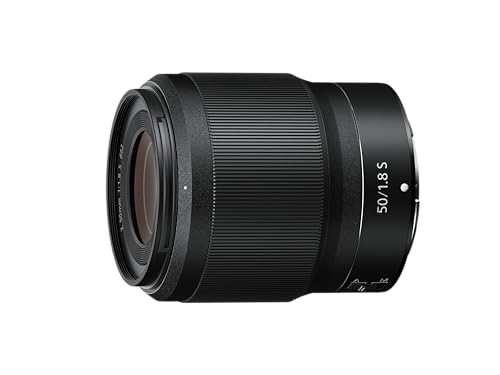
Nikon Z 50mm F1.8 S
Sharpness from this prime rivals far pricier lenses, punching well above its class. A bright aperture suits low light and background blur alike. Portraits, street and everyday shooting all fit the natural standard view, and owners frequently cite it as one of the best value lenses in the entire Z line.
Pros
- Outstanding sharpness for the price
- Bright aperture for low light
- Compact and light prime
Cons
- No optical stabilisation
- Single focal length only

Nikon Z 85mm F1.8 S
Portrait shooters get flattering compression and smooth background blur from this 85mm, rendered with the crisp detail typical of the S line. A bright F1.8 aperture separates subjects cleanly and performs well in low light. Owners value it as an affordable, high quality portrait option that balances nicely on the Z9.
Pros
- Flattering portrait compression
- Smooth, clean background blur
- Sharp with a bright aperture
Cons
- No optical stabilisation
- Fixed focal length limits framing

Nikon Z 14-24mm F2.8 S
Landscapes, interiors, architecture and astro work all suit this ultra wide zoom, backed by a bright constant F2.8 aperture and weather sealing. It stays lighter and more compact than rival ultra wides while holding strong corner sharpness. Owners praise its low distortion and suitability for demanding wide angle work.
Pros
- Bright constant aperture
- Weather sealed and relatively light
- Strong corner sharpness
Cons
- Bulbous front limits standard filters
- Specialised range for wide work

Nikon Z 24-120mm F4 S
A longer everyday range than a standard zoom comes bundled here, alongside a constant F4 aperture and S line quality. Travel and general work benefit most, where reach and weight matter more than the brightest aperture. Owners often keep it on the Z9 as an all purpose walkaround lens.
Pros
- Wide to telephoto range in one lens
- Constant aperture across the zoom
- Great value S line quality
Cons
- F4 limits background blur
- Not as bright as the F2.8 zoom

Nikon Z 24-70mm F4 S
Lighter and more affordable than the F2.8 version, this standard zoom still delivers S line sharpness in a compact retractable design. Z9 owners who want a quality everyday lens without the size and cost of F2.8 glass get a sensible budget entry here. Owners appreciate how well it balances the large body for travel.
Pros
- Compact and light for the range
- Sharp S line optics
- More affordable standard zoom
Cons
- F4 aperture in dim light
- Retracts before use each time
Compared at a glance
| # | Model | Mount | Best for | Score | Price |
|---|---|---|---|---|---|
| 1 | Nikon Z 24-70mm F2.8 S | Nikon Z full frame | Best overall | 9.5 | Check price |
| 2 | Nikon Z 100-400mm F4.5-5.6 VR S | Nikon Z full frame | Best telephoto | 9.3 | Check price |
| 3 | Nikon Z 50mm F1.8 S | Nikon Z full frame | Best prime | 9.2 | Check price |
| 4 | Nikon Z 85mm F1.8 S | Nikon Z full frame | Best for portraits | 9.1 | Check price |
| 5 | Nikon Z 14-24mm F2.8 S | Nikon Z full frame | Best wide | 9.1 | Check price |
| 6 | Nikon Z 24-120mm F4 S | Nikon Z full frame | Best value | 9.0 | Check price |
| 7 | Nikon Z 24-70mm F4 S | Nikon Z full frame | Best budget | 8.8 | Check price |
How to pick the right one
Which Lens Should Anchor a Z9 Kit? A standard zoom covering wide to short telephoto handles the widest spread of professional and everyday work, making it the sensible first lens. The Z 24-70mm F2.8 S is the flagship choice with a bright aperture, while the 24-120mm F4 S adds reach and the 24-70mm F4 S trims size and cost. Any of these gives a base before specialising into primes or telephotos.
Aperture vs Size and Cost: What to Weigh First Bright S line zooms and primes at F1.8 or F2.8 gather more light and deliver stronger background blur, which matters for events, portraits and low light. Weight and price rise with that brightness, since fast glass runs larger and more expensive. F4 zooms keep the system compact while retaining excellent sharpness for anyone shooting mostly in good light.
How In-Body Stabilisation Changes Lens Choice In body vibration reduction on the Z9 steadies any mounted lens, including unstabilised primes. Pairing that with a VR lens combines both systems for extra stability, which helps most with long telephotos and handheld video. Static, well lit subjects rarely need more than body stabilisation, so unstabilised S primes remain excellent choices.
Native Z Glass vs Adapted F Mount Lenses F mount DSLR lenses work on the Z9 through the FTZ adapter, with autofocus on most modern models, protecting an existing investment. Native Z lenses are built for the mount and generally focus faster while resolving more detail, taking full advantage of the sensor. Starting fresh, native Z glass gives the best results and keeps the setup streamlined.
Questions worth asking
What is the best first lens for the Z9?
A standard zoom such as the Z 24-70mm F2.8 S makes the best starting point. Wide to short telephoto coverage with a bright aperture and sealing handles most professional and everyday shooting before specialist lenses join the kit.
Can I use my old Nikon F mount lenses?
Yes, F mount DSLR lenses work through the FTZ adapter, with autofocus on most modern models. Native Z lenses generally focus faster and resolve more detail, but the adapter protects an existing lens collection.
Does the Z9 have in body stabilisation?
Yes, in body vibration reduction steadies any mounted lens. Combining it with a VR lens can improve stability further, which helps most with long telephotos and handheld video.
Which lens is best for wildlife on the Z9?
The Z 100-400mm F4.5-5.6 VR S stands out, pairing long reach with sharp optics and autofocus fast enough to keep up with tracking. It also accepts teleconverters when more reach is needed.
Is the Z 50mm F1.8 S worth buying?
Yes, sharpness that rivals far pricier primes makes it one of the best value lenses in the Z line. A bright aperture suits low light and portraits, making it an excellent first prime for the Z9.
What lens is best for portraits?
Classic portrait compression and smooth blur come from the Z 85mm F1.8 S. For a more versatile everyday look, the Z 50mm F1.8 S also flatters faces while covering more general use.
Do I need the pricey F2.8 zooms?
Not necessarily. Excellent sharpness in a lighter, cheaper package comes from the F4 S zooms. F2.8 versions add a brighter aperture for low light and blur that events and wedding shooters value, but they are not essential for great images.
Which wide angle lens is best for landscapes?
The Z 14-24mm F2.8 S is the professional pick with a bright constant aperture and sealing. For a lighter everyday wide view, the Z 24-70mm zooms cover many landscape and interior scenes at their wide end.
Nikon Z 24-70mm F2.8 vs F4 S, which should I buy?
The F2.8 version brings a brighter aperture, stronger low light performance and more background blur, at extra weight and cost. The F4 S trims size and price while keeping S line sharpness, a better fit for travel-focused shooters.
Final word
Most Z9 owners should anchor their system around the Nikon Z 24-70mm F2.8 S, which balances a bright aperture, sharpness and sealing for professional work. Add the Z 50mm F1.8 S for outstanding affordable low light, or the Z 100-400mm VR S once wildlife and sports reach becomes the priority. A lighter Z 24-120mm F4 S suits anyone who wants a versatile, all day travel zoom instead.
Marcus Chen
Marcus covered consumer electronics for enthusiast tech publications for six years before joining ChoiceCrest. He specializes in translating manufacturer spec sheets into plain-language buying advice, with a focus on audio, computing accessories and smart-home gear.


