Graph Paper Grid Sizes and Weights, Compared
Roaring Spring’s quad-ruled pad covers everyday math and drafting, Rite in the Rain’s coated notebook survives wet fieldwork, and Clairefontaine’s 90 gsm stock resists fountain pen bleed. Grid spacing, paper weight, and binding style separate the seven, so the right pick depends on the pen and the task.
Roaring Spring’s quad-ruled pad handles daily algebra and quick sketches without curling at the edges.
Thin stock lets ink bleed through, and a misaligned grid throws off a technical drawing, so specs like paper weight, grid precision, and binding decided this comparison rather than brand reputation.
The top picks, ranked

Roaring Spring Graph Paper Pad, Quad Ruled
A 4×4 grid prints on 20 lb letter-size stock, the standard weight for algebra and basic drafting. Sheets tear cleanly along a glued top edge, leaving no ragged strips behind. Light grid ink keeps both sides usable without ghosting through the page.
Pros
- Tear-off sheets stay neatly aligned
- 20 lb stock resists pencil smudging
- Grid print is light enough to avoid bleed-through
Cons
- No hole punches for binder storage
- Cover offers little protection for the top sheets

Rite in the Rain Graph Paper Notebook
Every page carries a polymer coating that sheds rain, mud, and sweat, a real advantage for surveying or field sketches. Standard ballpoint ink beads up on that coating, so a pencil or an all-weather pen works better. Compact sizing fits a jacket pocket for quick field reference.
Pros
- Pages survive rain and humidity
- Spiral binding lays flat for one-handed writing
- Pocket-sized for fieldwork
Cons
- Standard ink pens don’t write well on the coating
- Smaller page limits space for large sketches

Clairefontaine Graph Paper Notebook
Calendered 90 gsm paper resists the feathering and bleed common on thinner pads. Sewn binding lets the notebook lie fully flat, which helps when a technical note spans two pages. A 5mm grid follows metric spacing instead of the quarter-inch standard common in US pads.
Pros
- Heavy stock stops fountain pen bleed-through
- Sewn binding opens fully flat
- Smooth surface suits fine-tip pens
Cons
- Metric grid may not align with US drafting templates
- Higher cost per sheet than basic pads

Mead Graph Paper Pad
One hundred sheets per pad keep the per-page cost low for students working through repetitive problem sets. Grid spacing matches the standard 4×4 layout most classrooms require. Paper runs lighter than premium notebook stock, so heavy pencil pressure can show through to the next sheet.
Pros
- High sheet count lowers cost per page
- Standard grid matches classroom requirements
- Widely stocked, easy to replace
Cons
- Lighter paper allows some show-through
- Pages tear less cleanly than premium pads

TOPS Engineering Computation Pad
A faint green tint cuts glare during long calculation sessions, a detail borrowed from traditional engineering pads. A centered vertical fold line separates the work area from margin notes, matching computation coursework conventions. Finer 5×5 grid spacing suits detailed diagrams better than a standard 4×4 layout.
Pros
- Green tint cuts glare during extended use
- Fine 5×5 grid supports detailed diagrams
- Center fold line matches engineering conventions
Cons
- Tinted paper isn’t ideal for scanning or photocopying
- Green cast may bother users who prefer plain white
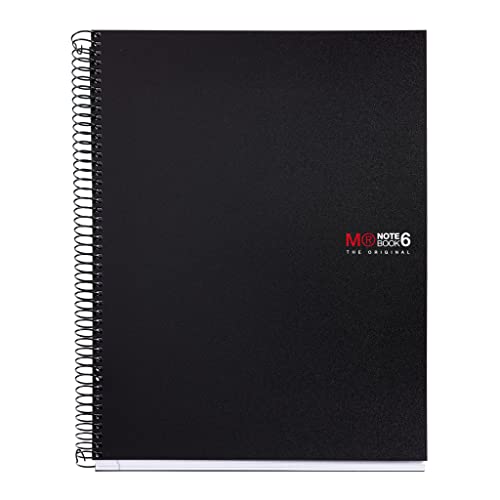
Miquelrius Graph Paper Notebook
Color-coded dividers split the notebook into sections, handy for tracking several subjects or projects in one book. Wire binding lets pages fold back fully, keeping the notebook compact on a crowded desk. At 120 sheets, it holds more content than most single-subject pads.
Pros
- Dividers organize multiple subjects in one notebook
- Wire binding folds back flat
- High page count reduces notebook swaps
Cons
- Bulkier than a simple pad
- Dividers add cost over basic notebooks

Amazon Basics Graph Paper Pad
This no-frills pad covers basic graphing needs at a low per-unit cost, well suited to casual sketching or homework. Grid lines print consistently sheet to sheet, though the stock runs thinner than name-brand alternatives. Short-term projects suit it better than archival notes.
Pros
- Low cost per pad
- Consistent grid printing
- Readily available for quick reorders
Cons
- Thin paper shows pencil indentation from the next page
- Cover doesn’t protect sheets well in a bag
How to choose
What to look for in graph paper Grid spacing, paper weight, and binding matter more than brand name. A 4×4 or 5×5 grid per inch covers most math and drafting work, while finer grids help detailed technical drawings. Paper above 20 lb resists show-through from pen or heavy pencil pressure. Glued, spiral, and sewn bindings each change how easily pages tear or lie flat.
Grid size for different tasks Quarter-inch 4×4 grids match most US classroom and homework requirements. Finer 5mm or 5×5 grids suit engineering diagrams and detailed sketches where extra precision helps. Oversized grids work better for quick visual planning, like garden layouts, where exact measurements matter less.
Paper weight and ink compatibility Standard 20 lb copy-paper-weight pads handle pencil and ballpoint fine but let fountain pen ink bleed through. Notebooks rated 90 gsm or higher, like Clairefontaine’s, resist feathering for fountain pens and markers. Anyone sketching with brush pens should prioritize weight over grid style.
Choosing for field and outdoor use Waterproof or coated paper, like Rite in the Rain’s polymer sheets, holds up during surveying, hiking, or wet job sites where standard paper would smear or tear. These pages need pencil or specialized all-weather pens since regular ink beads on the coating. Indoor users rarely need this feature and pay more for durability they won’t use.
Compared at a glance
| # | Model | Grid | Best for | Score | Price |
|---|---|---|---|---|---|
| 1 | Roaring Spring Graph Paper Pad, Quad Ruled | 4×4 per inch | Best overall | 9.4 | Check price |
| 2 | Rite in the Rain Graph Paper Notebook | 4×4 per inch | Best for outdoor field use | 9.1 | Check price |
| 3 | Clairefontaine Graph Paper Notebook | 90 gsm | Best for fountain pens | 8.9 | Check price |
| 4 | Mead Graph Paper Pad | 4×4 per inch | Best value | 8.6 | Check price |
| 5 | TOPS Engineering Computation Pad | 5×5 per inch with center fold line | Best for engineering calculations | 8.4 | Check price |
| 6 | Miquelrius Graph Paper Notebook | 5mm squares | Best for organized note-taking | 8.2 | Check price |
| 7 | Amazon Basics Graph Paper Pad | 4×4 per inch | Best budget option | 8.0 | Check price |
Good to know
What grid size is standard for graph paper?
Most US pads use a 4×4 grid, four squares per inch, matching typical classroom and homework requirements. Engineering and technical pads sometimes switch to a finer 5×5 grid for added precision.
Is graph paper better than a plain grid notebook for math homework?
A basic pad works fine for most homework, since the real difference is paper weight and binding. Heavier stock only matters if ink bleeds through or pages need to survive repeated erasing.
Can you use graph paper with a fountain pen?
Only if the paper weight is high enough. Pads around 90 gsm, like Clairefontaine’s, resist feathering and bleed, while standard 20 lb pads let fountain pen ink soak through.
What’s the difference between 4×4 and 5mm graph paper?
4×4 grids are quarter-inch squares common in US schools. 5mm grids follow metric spacing used in many European notebooks and some engineering programs. Neither is more accurate, but they don’t align with each other on shared documents.
Does graph paper work well for engineering drawings?
Finer grids, like the 5×5 spacing on TOPS’ computation pad, support the added detail engineering sketches need. A tinted background, common on computation pads, can also reduce eye strain during long sessions.
Is spiral-bound or glue-bound graph paper better?
Spiral and wire binding let pages fold back flat, which helps when writing on a clipboard or in a cramped space. Glue-bound pads tear off cleanly but don’t fold back as easily.
Can graph paper survive outdoor or wet conditions?
Standard paper can’t, but coated options like Rite in the Rain’s notebook shed water and resist tearing when damp. These require pencil or specialized pens since regular ink won’t adhere to the coating.
How many sheets does a typical graph paper pad include?
Counts range from around 50 sheets in basic pads to 100 or more in value packs like Mead’s. Higher sheet counts lower the cost per page for frequent users.
What grid works best for a bullet journal or planner?
5mm squares, like those in Clairefontaine’s or Miquelrius’ notebooks, give enough precision for boxes and trackers without crowding the page.
Is a thicker pad always better for graph paper?
Not for every use. Thicker stock stops bleed-through and lies flatter, but a basic 20 lb pad is lighter to carry and cheaper for everyday practice work.
Final word
Roaring Spring’s quad-ruled pad covers everyday math and drafting without extra cost, making it the practical default for most desks. Fountain pen users should switch to Clairefontaine’s heavier stock instead, and fieldworkers who need waterproof pages should choose Rite in the Rain. Skip the thinnest budget pads if bleed-through or smudging keeps interrupting the work.
Marcus Chen
Marcus covered consumer electronics for enthusiast tech publications for six years before joining ChoiceCrest. He specializes in translating manufacturer spec sheets into plain-language buying advice, with a focus on audio, computing accessories and smart-home gear.


