Which Garden Sprayer Fits Your Yard Size and Chemical Use
The Field King Professional 190328 backpack sprayer suits larger properties with its 4-gallon tank and shoulder straps built for extended use. Smaller yards do better with the Chapin 1949 pump sprayer, while anyone wanting to skip manual pumping entirely should look at the Chapin 63985 battery powered model.
The Field King Professional 190328 backpack sprayer leads this list because its 4-gallon tank and padded straps let one person cover a large yard or garden without refilling constantly. That larger tank adds weight that smaller handheld sprayers avoid entirely. Container gardens or small beds are usually better served by a compact pump sprayer instead.
We compared tank capacity, pump mechanism, nozzle adjustability and tank material across seven current sprayer models rather than running our own chemical application tests.
The top picks, ranked
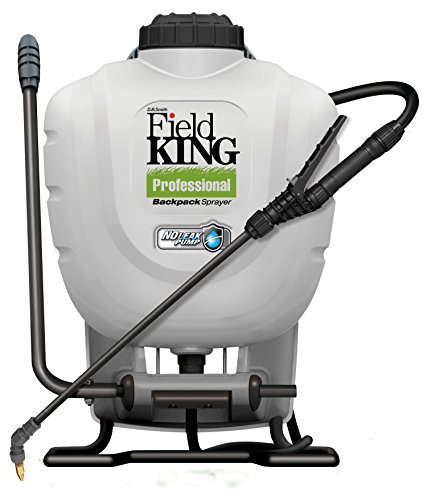
Field King Professional 190328 Backpack Sprayer
A 4-gallon polyethylene tank rides on padded shoulder straps, letting one person treat a large lawn or garden bed without stopping to refill often. An internal piston pump builds pressure with each handle stroke, maintaining steady output longer than single-pump handheld sprayers. A 21-inch wand with an adjustable brass nozzle reaches tall shrubs or low ground cover equally well.
Pros
- Highest capacity of any sprayer on this list
- Padded straps distribute weight for longer sessions
- Piston pump maintains steady pressure between strokes
Cons
- Heavier and bulkier than handheld pump sprayers
- Overkill for small container gardens or single beds

Chapin 1949 Tri-Poxy Steel Tank Sprayer
A tri-poxy coated steel tank resists the cracking that plastic tanks develop after repeated exposure to concentrated chemicals and sun. The 1-gallon capacity suits spot treatments on shrubs, patios or smaller beds rather than whole-yard coverage. A shut-off valve near the wand tip stops flow instantly without needing to release tank pressure first.
Pros
- Steel tank resists chemical and UV damage better than plastic
- Trigger shut-off gives precise control over spray timing
- Compact size suits spot treatments around the yard
Cons
- Smaller capacity than backpack-style sprayers
- Steel tank adds weight compared to plastic alternatives

Chapin 63985 20-Volt Battery Powered Sprayer
A rechargeable 20-volt battery powers the pump continuously, removing the need to stop and re-pressurize a handle like manual sprayers require. The 4-gallon tank sits on a backpack-style harness, and a single trigger controls flow without squeezing a separate pump lever. Owners report the battery lasts through a full tank on one charge for most yard sizes.
Pros
- Continuous power removes manual pumping entirely
- Large tank matches backpack sprayer capacity
- Single trigger simplifies spray control
Cons
- Requires charging the battery before each extended use
- Costs more upfront than manual pump sprayers

Solo 425 One-Hand Pressure Sprayer
A compact 1-gallon tank with a translucent body lets users see remaining liquid without opening the cap. The pump handle and trigger both operate with one hand, freeing the other to hold back foliage or steady a ladder. A viton seal inside resists degradation from a wider range of chemicals than basic rubber seals.
Pros
- One-hand operation frees the other hand for tasks
- Translucent tank shows remaining liquid at a glance
- Viton seal handles a wider range of chemicals safely
Cons
- Small tank needs frequent refills for larger jobs
- Less comfortable for extended sessions than backpack models

Roundup 190260 1-Gallon Pump Sprayer
A simple 1-gallon polyethylene tank with a manual pump handle covers basic spot spraying for weeds or pests around a yard. An adjustable nozzle switches between a cone spray and a straight stream without extra attachments. This sprayer targets buyers who need occasional use rather than frequent, heavy duty application.
Pros
- Lower price point than specialty sprayer brands
- Adjustable nozzle covers basic spray pattern needs
- Lightweight enough for quick, occasional jobs
Cons
- Build quality feels less rugged than Chapin or Solo models
- Smaller capacity limits coverage for larger properties
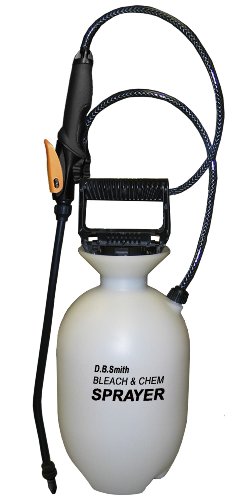
Smith Performance Sprayers 190285 Multi-Use Sprayer
A 2-gallon tank with chemical resistant seals handles a wider range of liquids, from fertilizers to mild cleaning solutions, without seal degradation. An adjustable brass nozzle tip switches spray width for different jobs, from fence lines to individual plants. The tank includes a built in pressure gauge so users know when to add more pump strokes.
Pros
- Pressure gauge shows when more pumping is needed
- Chemical resistant seals handle varied liquid types
- Mid-size tank balances capacity and portability
Cons
- Heavier than 1-gallon handheld sprayers when full
- Brass nozzle costs more to replace than plastic tips

Gilmour 2 Gallon Pump Sprayer
A 2-gallon polyethylene tank with a reinforced pump cylinder holds up to frequent weekly use better than basic consumer-grade sprayers. A shoulder strap makes handheld carrying easier during longer spraying sessions without a full backpack harness. The wand extends to reach hanging planters or tall shrub tops without a ladder.
Pros
- Reinforced pump holds up to frequent weekly use
- Shoulder strap eases carrying without a full backpack
- Extendable wand reaches tall or hanging plants
Cons
- Still requires manual pumping like basic handheld sprayers
- Capacity falls short of true backpack sprayer models
What to look for
What to look for in a garden sprayer Tank capacity should match the size of the area being treated, since a 4-gallon backpack tank is wasted weight on a small patio garden. Pump type affects effort over time, with battery powered models removing the manual pumping that handheld sprayers require. Tank material and seal type matter most for anyone using stronger chemicals, since chemical resistant seals last longer than basic rubber.
Backpack sprayers versus handheld pump sprayers Backpack models like the Field King Professional 190328 and Chapin 63985 suit larger yards where frequent refilling would waste time. Handheld sprayers such as the Chapin 1949 and Solo 425 work better for spot treatments on patios, fence lines or individual plants. Buyers should weigh carrying comfort against capacity, since a full 4-gallon tank adds real weight on shoulder straps.
Manual pumps versus battery powered sprayers Manual pump sprayers, which make up most of this list, cost less and need no charging but require periodic hand pumping to maintain pressure. The Chapin 63985 battery powered model removes that effort entirely, running on a rechargeable 20-volt battery through a full tank. Anyone treating a large property regularly may find the battery option saves real physical effort over a season.
Matching tank material to the liquid being sprayed Standard polyethylene tanks, used in most sprayers here, handle common fertilizers and herbicides without issue. Chemical resistant seals, found on the Solo 425 and Smith Performance 190285, hold up better against a wider range of liquids including some cleaning solutions. Steel tanks like the Chapin 1949 add extra durability against sun and chemical exposure but weigh more than plastic equivalents.
The lineup, side by side
| # | Model | Tank Capacity | Best for | Score | Price |
|---|---|---|---|---|---|
| 1 | Field King Professional 190328 Backpack Sprayer | 4 gallons | Best Overall | 9.0 | Check price |
| 2 | Chapin 1949 Tri-Poxy Steel Tank Sprayer | 1 gallon | Best for Durability | 8.7 | Check price |
| 3 | Chapin 63985 20-Volt Battery Powered Sprayer | 4 gallons | Best for Skipping Manual Pumping | 8.6 | Check price |
| 4 | Solo 425 One-Hand Pressure Sprayer | 1 gallon | Best for One-Handed Spot Treatments | 8.3 | Check price |
| 5 | Roundup 190260 1-Gallon Pump Sprayer | 1 gallon | Best Budget Option | 8.0 | Check price |
| 6 | Smith Performance Sprayers 190285 Multi-Use Sprayer | 2 gallons | Best for Multiple Liquid Types | 8.4 | Check price |
| 7 | Gilmour 2 Gallon Pump Sprayer | 2 gallons | Best for Light Commercial Use | 8.2 | Check price |
Frequently asked questions
What is the best garden sprayer for a large yard?
The Field King Professional 190328 backpack sprayer covers the most ground per fill with its 4-gallon tank and padded straps.
Is a battery powered sprayer better than a manual pump sprayer?
A battery powered sprayer like the Chapin 63985 removes manual pumping effort, though manual pump sprayers cost less and need no charging.
How much liquid does a backpack sprayer hold?
Backpack sprayers on this list typically hold 4 gallons, more than twice the capacity of most handheld pump sprayers.
Can a garden sprayer handle different chemicals?
Sprayers with chemical resistant seals, such as the Solo 425 and Smith Performance 190285, handle a wider range of liquids safely than basic seals.
What size sprayer is best for container gardens?
A compact 1-gallon sprayer like the Chapin 1949 or Roundup 190260 suits spot treatments on container gardens and small beds.
Do garden sprayers need to be cleaned between uses?
Yes, rinsing the tank and nozzle after each use prevents residue buildup, especially when switching between different chemical types.
What is the benefit of a pressure gauge on a sprayer?
A pressure gauge, found on the Smith Performance 190285, shows when the tank needs more pump strokes to maintain consistent spray output.
How long does a garden sprayer battery last per charge?
On the Chapin 63985, the battery typically lasts through one full 4-gallon tank of continuous spraying before needing a recharge.
Our pick
For properties large enough to need extended coverage, the Field King Professional 190328 backpack sprayer offers the best combination of capacity and wearable comfort. Buyers who only need occasional spot treatments should pick the Chapin 1949 instead, since its smaller steel tank handles light use without the bulk of a backpack rig. Anyone who dreads manual pumping over a full tank will get the most practical relief from the Chapin 63985’s battery powered pump.
Sierra Daniels
Sierra's background is in landscape design and nursery retail. She focuses on lawn and garden equipment, outdoor furniture and gear durability, weighing published specs against how materials actually hold up outside.


