Garden Sprayers Compared for Tank Size and Pump Life
The Chapin 20000 one gallon sprayer suits most household gardens best. The Field King Professional 190328 backpack model handles larger plots and long sessions, and the Solo 418 handheld sprayer covers quick spot treatments without a bigger tank.
One gallon is the right size and price for most gardens, which is why the Chapin 20000 leads this list. Large plots and orchards call for the Field King Professional 190328 backpack sprayer instead, and the Solo 418 handles quick spot jobs without dragging out a bigger tank.
Sprayers rarely fail at the tank. Seals, pumps and wands are where things go wrong first. We compared tank capacity and material, pump design, seal quality as reported by owners, wand length, nozzle options and carrying comfort across seven sprayers spanning handheld, pump tank and backpack styles. Always follow label instructions and safety guidance for anything loaded into a sprayer.
How to pick the right one
How to size a garden sprayer to the job Water weighs roughly eight pounds a gallon, so a full four gallon backpack is around forty pounds before you take a step. One gallon suits beds, borders and greenhouse work. Two gallons covers a larger plot with a rest between refills, and backpacks only earn their weight once carrying genuinely beats refilling. Buying too big is the most common mistake in this category.
Why seals decide how long a sprayer lasts Nearly every failed garden sprayer failed at a gasket, an O ring or a pump seal rather than the tank itself. Chemical resistant seals such as Viton tolerate a far wider range of products than standard rubber, which matters for anything beyond water and feed. A sprayer sold with published replacement seal kits stays repairable instead of disposable.
Manual, backpack or battery powered, which sprayer type wins Manual pump sprayers cost less and have fewer parts to fail, making them fine for occasional use. Backpack sprayers trade weight for capacity once a session covers real ground. Battery powered pumps remove arm fatigue and deliver constant pressure, at the cost of a battery to charge and eventually replace.
Matching nozzle choice and winter storage A fine cone mist coats foliage evenly for feeding, while a narrow stream places weed treatment precisely without drifting onto nearby plants. Fan nozzles cover ground quickly on larger areas. After each use, rinse the tank, run clean water through the wand, release pressure, then store empty with the pump loosened. In freezing climates, drain fully and store indoors so trapped water does not split the pump.
The best picks, ranked

Chapin 20000 One Gallon Garden Sprayer
A single gallon covers a typical bed session without becoming heavy to carry around. Its adjustable cone nozzle switches between a fine mist for foliage and a stream for spot weeding. Seals hold up well when the tank gets emptied and rinsed after each use, according to owners.
Pros
- Comfortable size for most garden jobs
- Adjustable nozzle covers mist and stream
- Translucent tank shows the fill level
Cons
- Too small for whole lawn treatments
- Plastic wand is not the most durable
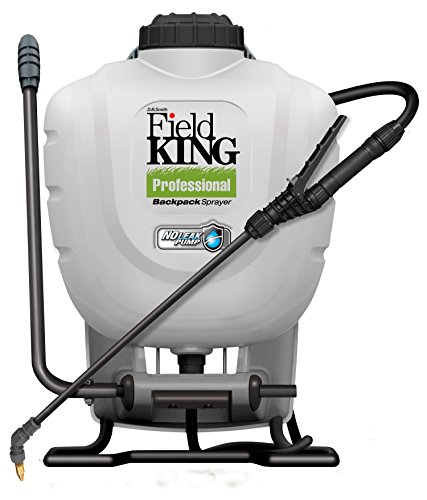
Field King Professional 190328 Backpack Sprayer
An internal piston pump keeps liquid inside the tank instead of an external chamber pressed against your back. Four gallons covers serious ground between refills, and padded straps spread the weight evenly. Replacement seals and parts are sold separately, so the unit stays repairable.
Pros
- Internal pump reduces leak risk at the back
- Covers large areas between refills
- Serviceable with replacement seal kits
Cons
- Heavy when full, around 40 pounds
- Higher cost than pump tank sprayers

Solo 418 One Handed Pressure Sprayer
Dragging out a gallon tank makes no sense for a patch of weeds in a path or one aphid infested rose, which is exactly where this small pressurised bottle fits. Solo’s build quality sits well above generic trigger bottles. Two litres of capacity means frequent refills once the job grows larger.
Pros
- Ready in seconds for quick jobs
- Solid seals and brass nozzle
- Light enough for one handed use
Cons
- Small capacity needs frequent refills
- Not suited to whole bed coverage
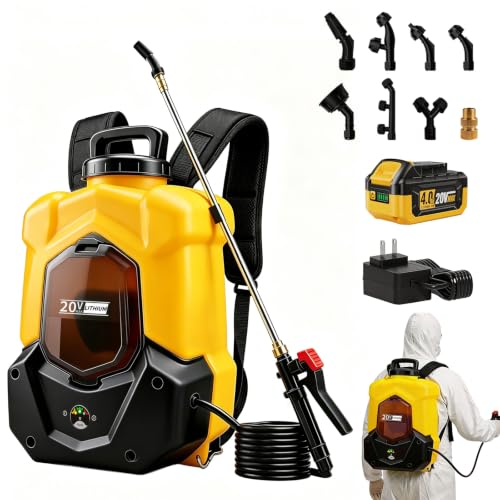
Chapin 63985 20V Battery Backpack Sprayer
Repetitive arm work disappears once a battery drives the pump, which changes long sessions and helps anyone with shoulder or wrist trouble. Pressure stays constant, giving more even coverage than hand pumping delivers. Managing a battery alongside the tank is the trade off for that convenience.
Pros
- No manual pumping at all
- Consistent pressure gives even coverage
- Kinder on shoulders and wrists
Cons
- Battery needs charging and eventual replacement
- Heavier than a manual backpack

Smith Performance Sprayers 190446 Contractor Sprayer
Chemical resistant Viton seals and a reinforced wand target buyers who spray often enough for repairability to matter. This two gallon tank is built for frequent use rather than occasional touch ups. Every seal and gasket can be replaced, extending working life well past a disposable sprayer.
Pros
- Seals tolerate a wide range of products
- Repairable rather than disposable
- In line filter prevents nozzle clogging
Cons
- Costs more than home grade sprayers
- Two gallons gets heavy hand carried

Roundup 190314 Backpack Sprayer
Backpack capacity comes at a friendlier price than professional units here, with a shut off valve on the wand cutting down on drips. The harness stays comfortable through medium length sessions. Right handed users get more out of the pump lever position than left handed users do, per owner feedback.
Pros
- Backpack capacity at a moderate price
- Shut off valve reduces dripping
- Comfortable for medium sessions
Cons
- Lever position favours right handed users
- Seals are less robust than professional units
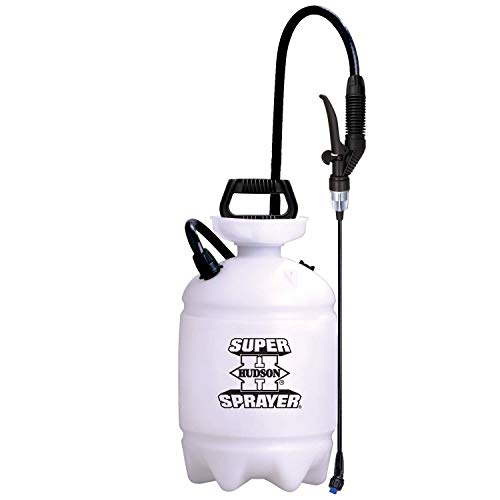
Hudson 20012 Bugwiser Sprayer
Watering seedlings and applying diluted feeds are the jobs this basic pump sprayer covers well. Nothing sophisticated means fewer parts to fail. Gentle products suit it better than anything aggressive on seals, based on the specifications.
Pros
- Cheapest option in this roundup
- Simple design with few failure points
- Light enough for extended carrying
Cons
- Seals are not chemical resistant
- Pressure drops quickly during use
How they compare
| # | Model | Capacity | Best for | Score | Price |
|---|---|---|---|---|---|
| 1 | Chapin 20000 One Gallon Garden Sprayer | 1 gallon translucent tank | Best overall | 9.4 | Check price |
| 2 | Field King Professional 190328 Backpack Sprayer | 4 gallon backpack tank | Best for large gardens | 9.2 | Check price |
| 3 | Solo 418 One Handed Pressure Sprayer | 2 litre pressurised bottle | Best for spot treatments | 9.0 | Check price |
| 4 | Chapin 63985 20V Battery Backpack Sprayer | 4 gallon backpack tank | Best powered option | 8.7 | Check price |
| 5 | Smith Performance Sprayers 190446 Contractor Sprayer | 2 gallon tank | Best build quality | 8.5 | Check price |
| 6 | Roundup 190314 Backpack Sprayer | 4 gallon backpack tank | Best value backpack | 8.2 | Check price |
| 7 | Hudson 20012 Bugwiser Sprayer | 1 gallon tank | Best budget | 8.0 | Check price |
Questions worth asking
What size garden sprayer do I need?
One gallon suits most household gardens, beds and greenhouses. Two gallons covers larger plots, and four gallon backpacks make sense for big gardens, orchards or paddocks where refilling would waste more time than carrying the weight.
Should I use separate sprayers for different products?
Yes. Keeping one sprayer for weed treatments and another for feeds and foliar sprays avoids residue damaging plants you intended to help. Label each tank clearly so they never get swapped.
How do I stop a sprayer nozzle from clogging?
Strain any mixture before it goes in, use a sprayer with an in line filter, and rinse the wand and nozzle with clean water after every session. Most blockages come from undissolved product or grit picked up from a refill bucket.
Are battery powered garden sprayers worth it?
If you spray large areas regularly or find repetitive pumping uncomfortable, yes. Constant pressure also gives more even coverage than hand pumping. For a small garden used a few times a season, a manual sprayer stays simpler and cheaper.
Can I put anything in a garden sprayer?
Only products the manufacturer approves and always following the product label exactly. Aggressive solvents and some concentrates destroy standard seals, and some products should never go through a hand sprayer at all. Wear whatever protective equipment the label specifies.
Why does my garden sprayer lose pressure?
The usual causes are a worn pump seal, a perished tank gasket or a loose lid. All three are inexpensive to replace on sprayers that sell service kits, which is a strong argument for buying a repairable model.
How should garden sprayers be stored over winter?
Empty, rinse and dry the tank, release all pressure and store the sprayer indoors with the pump backed off. Water left in the pump chamber can freeze and crack the housing, the most common way a sprayer dies over winter.
Is a backpack sprayer hard on your back?
A full four gallon tank is heavy, so a padded harness and a properly adjusted waist strap matter considerably. Back or shoulder problems make a two gallon hand carried sprayer with more frequent refills the more comfortable choice.
Pump sprayer vs backpack sprayer, which is better for a small yard?
A one or two gallon pump sprayer covers a small yard without the extra weight of a backpack unit. Backpacks only pay off once the area being treated makes multiple refill trips more tiring than carrying four gallons at once.
The bottom line
The Chapin 20000 hits the sweet spot for garden use, holding enough to finish a session without becoming a burden to carry. Step up to the Field King Professional 190328 backpack if you are covering a large plot and want a sprayer you can rebuild rather than replace, and keep a Solo 418 handy for the quick spot jobs that do not justify filling a bigger tank.
Sierra Daniels
Sierra's background is in landscape design and nursery retail. She focuses on lawn and garden equipment, outdoor furniture and gear durability, weighing published specs against how materials actually hold up outside.