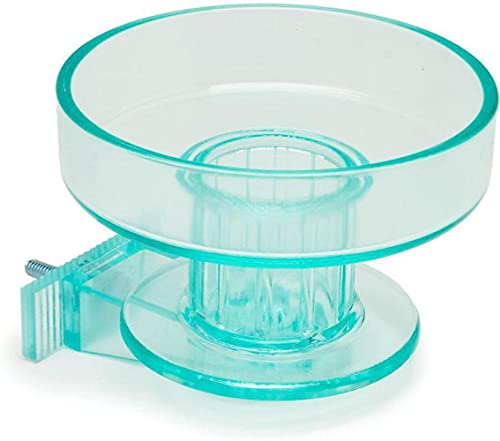
Indoor Bird Feeders That Keep Mess Contained
JW Pet InSight Clean Seed Silo ranks first for indoor use. Its hood forces feeding through a narrow opening, so husks stay inside the cage. Prevue Pet Stainless Steel Coop Cup is the value pick on hygiene. Lixit Quick Lock Feeder defeats birds that unclip dishes.
JW Pet InSight Clean Seed Silo does the most to keep a caged bird’s mess inside the cage. Stainless steel makes the Prevue Pet coop cup the easiest dish to keep genuinely clean. Birds that unclip and dump their bowls need the Lixit Quick Lock instead.
Feeder choice decides three separate things: how far husks travel, how fast bacteria settle into scratches, and whether your bird can drop the dish at three in the morning. We compared seven currently sold feeders on published materials, mounting design and capacity. Owner feedback on scatter, clip strength and cleaning filled in what the listings leave out.
Before you buy
What to look for in an indoor bird feeder Three attributes decide how a feeder behaves indoors: shape, material and attachment. Shape governs how much seed leaves the cage. Material governs how quickly residue builds in scratches. Attachment governs whether your bird can post the whole dish onto the carpet. Rank those three by the problem you actually have, because no single feeder leads on all of them.
Which feeder design keeps seed off the floor? Open cups scatter most, since birds sort seed by flicking husks aside. Hooded silos narrow the opening and trap that debris, which is the JW Pet InSight Clean approach. Cup and perch designs land in the middle. Cage skirts catch what escapes, though changing the feeder shape does far more of the work.
Stainless steel or plastic: which cage dish stays cleaner? Scratches are the real problem with plastic, because residue settles into them and rinsing misses it. Stainless cups such as the Prevue coop cup stay smooth and tolerate near boiling water. Plastic still earns a place in silos, locking cups and shapes metal cannot form. For water, steel is the safer default.
How to arrange food, water and foraging stations in one cage Husks and droppings land in water whenever a food dish sits directly above it, so mount the two apart. Different heights also stop one bird guarding both at once. A foraging wheel adds a third station without adding food volume. Owners report that pairs squabble less with two feeding points at opposite ends of the cage.
The top picks, ranked

JW Pet InSight Clean Seed Silo Bird Feeder
Seed drops from a covered silo into a small tray, so the bird feeds through a narrow gap instead of digging through an open bowl. That single change keeps most discarded husks inside the cage. Clear walls show the remaining seed level without opening a cage door.
Pros
- Hood blocks most seed flicking
- Seed level readable from outside the cage
- Refills without full disassembly
Cons
- Plastic scratches after years of scrubbing
- Opening is too small for macaw beaks

Prevue Pet Products Stainless Steel Coop Cup
Stainless steel holds no odour and will not stain, which matters for a dish carrying wet food daily. Hot soapy water and a brush clear it in seconds. A bolt or clamp fitting pins the cup against the bars so a bird cannot lift it free.
Pros
- Nonporous surface resists stains and odour
- Outlasts plastic dishes by years
- Doubles as a water bowl
Cons
- Open rim contains no scatter
- Tips if the clamp is left loose

Lixit Quick Lock Bird Cage Feeder
A twist lock holds this cup against the bars, which stops birds that treat a standard clip as a puzzle. Conures and other habitual dish dumpers are the target here. Refilling happens from outside, so the cage stays shut during feeding.
Pros
- Lock resists beaks and feet
- Refills without reaching inside
- Top rack dishwasher safe
Cons
- Fits only certain bar spacings
- Open bowl still allows flinging

Living World Seed Cup with Perch
An attached perch lets a small bird stand while it eats rather than cling to the bars. Shallow depth suits millet and fine seed mixes better than a deep bowl. Most starter cages ship with worse dishes than this one.
Pros
- Perch gives a natural eating stance
- Lifts off in one motion for refills
- Cheap enough to keep a spare
Cons
- Shallow bowl needs topping up often
- Plastic will not survive a large beak
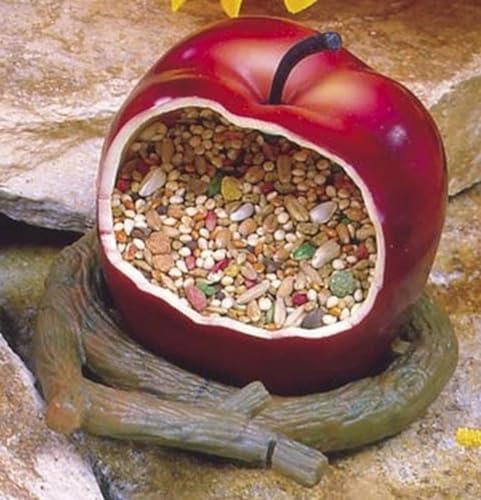
Penn-Plax Bird Cage Feeder Cup
Cages lose their original dishes to cracks and chewing, and this plain cup fills that gap. Keeping two or three lets you swap a dirty dish instead of washing while your bird waits. Hook and clip fittings match most mainstream cage designs.
Pros
- Affordable enough to buy spares
- Fits many common cage styles
- Light enough for hook fittings
Cons
- Plastic discolours over time
- No mess containment at all

Super Bird Creations Foraging Wheel
Food sits behind compartments the bird has to spin and open, turning a two minute meal into a longer job. Slower intake and occupied time both matter for a bored indoor parrot. Run it as a second station beside the main dish rather than a replacement.
Pros
- Extends feeding time for bored birds
- Slows down fast eaters
- Acrylic body handles strong beaks
Cons
- Many birds need coaching to start
- Compartments take longer to clean than a cup

Nature’s Way Bird Products Window Bird Feeder
Suction cups hold this tray on the outside of a window, putting wild birds within inches of the glass. Viewing happens from a chair indoors while every seed husk stays outside. Sliding the tray out covers refills and cleaning without a trip into the garden.
Pros
- Close viewing from an indoor seat
- Tray slides out for refilling
- Drainage holes keep seed drier
Cons
- Suction cups loosen in cold weather
- Needs clean, smooth glass to hold
How they compare
| # | Model | Type | Best for | Score | Price |
|---|---|---|---|---|---|
| 1 | JW Pet InSight Clean Seed Silo Bird Feeder | Hooded seed silo | Best overall | 9.4 | Check price |
| 2 | Prevue Pet Products Stainless Steel Coop Cup | Coop cup with clamp | Best value | 9.2 | Check price |
| 3 | Lixit Quick Lock Bird Cage Feeder | Locking cup feeder | Best for escape artists | 9.0 | Check price |
| 4 | Living World Seed Cup with Perch | Cup with attached perch | Best for budgies and finches | 8.7 | Check price |
| 5 | Penn-Plax Bird Cage Feeder Cup | Standard cup | Best simple replacement | 8.5 | Check price |
| 6 | Super Bird Creations Foraging Wheel | Foraging feeder | Best for enrichment | 8.2 | Check price |
| 7 | Nature’s Way Bird Products Window Bird Feeder | Window mounted tray feeder | Best for indoor viewing | 8.0 | Check price |
Good to know
How do I stop my bird throwing seed out of the cage?
Swap the open cup for a hooded silo and add a cage skirt underneath. Feeder shape limits how far a bird can flick husks, so it fixes more than any accessory. Expect improvement rather than a perfectly clean floor.
How often should indoor bird feeders be cleaned?
Empty and wash food dishes daily, and change water containers more than once a day. A weekly deep clean in hot soapy water with a full rinse keeps bacteria down. Stainless steel shortens both jobs.
Can you use a wild bird feeder inside the house?
Not usefully, unless it mounts on the outside of a window. Nature’s Way Bird Products Window Bird Feeder is built for that, keeping seed outdoors while viewing stays indoors.
How do I measure cage bar spacing before buying a feeder?
Measure the gap between two adjacent bars, inside edge to inside edge, then compare it against the product specification. Locking and clip feeders are designed around narrow ranges. Hook over designs forgive a mismatch better.
Are plastic bird feeders safe for parrots?
Bird specific plastics are widely used and safe for smaller species. Strong beaks crack them, though, and cracks leave sharp edges. Medium and large parrots do better with stainless steel and acrylic foraging toys.
Which is better, a coop cup or a seed silo?
Silos win on containment and let you see the seed level. Coop cups win on cleaning, durability and holding water or wet food. Many owners run one of each in the same cage.
What size feeder does a budgie need?
Small and shallow. Deep cups leave a budgie reaching awkwardly and let seed go stale at the bottom. A cup and perch design sized for finches and canaries fits budgies well.
Do foraging feeders work for every bird?
No. Some birds engage immediately while others ignore a puzzle they cannot solve. Starting with compartments left open, then closing them gradually, is the approach owners report works best.
Should food stay in the cage all day?
Most companion birds are fed with dry food constantly available and fresh items offered on a schedule. Portioning needs differ sharply between species. Ask an avian vet if your bird is gaining weight.
Can two birds share one feeder?
They can, but one bird usually guards the dish and squabbles follow. Two stations placed apart, at different heights, is the more reliable arrangement for a pair.
Our pick
JW Pet InSight Clean Seed Silo is the feeder to fit first, because cutting scatter changes daily life with a caged bird more than any other upgrade. Pair it with a Prevue Pet stainless coop cup for water and easy washing. Add the Super Bird Creations Foraging Wheel when your bird needs occupying rather than feeding.
Olivia Hartley
Olivia spent several years working at an animal shelter and a pet-supply retailer before joining the editorial team. She researches pet gear with an emphasis on safety, comfort and the fine print that owners often miss.