AV Receivers with USB-C for Modern Audio
The Denon AVR-X3800H is a top pick for most users, offering a USB-C port for audio playback and charging, along with robust 9.4 channel processing and Dirac Live support. Its main advantage is flexibility and future-proofing, but its main limitation is a higher price point compared to entry-level models.
AV receivers with USB-C ports are becoming more common as consumers expect modern connectivity. USB-C allows for easy connection of smartphones, tablets, and laptops for audio streaming or device charging.
In this roundup, we compared models from Denon, Yamaha, Sony, Onkyo, Pioneer, Marantz, and Integra, each offering unique features. Whether you need a budget-friendly option or a high-end powerhouse, there’s a receiver here for you.
The shortlist, ranked

Denon AVR-X3800H
A 9.4-channel receiver with 8K HDMI and USB-C input, supporting Dolby Atmos and Dirac Live (after firmware update). It offers superior sound quality and extensive connectivity.
Pros
- Excellent sound quality and power
- Future-proof with 8K HDMI and Dirac support
- Multiple USB-C uses
Cons
- Higher price tag
- Large and heavy

Yamaha RX-A6A
This 9.2-channel receiver features a USB-C port for audio playback and charging, along with MusicCast multi-room streaming. It delivers powerful and detailed sound.
Pros
- Excellent music streaming capabilities
- High-quality DAC
- USB-C supports audio and charging
Cons
- Complex setup for beginners
- No Dirac support

Sony STR-AN1000
A 7.2-channel receiver with USB-C connectivity, HDMI 2.1 for 4K/120 gaming, and support for Sony’s 360 Reality Audio. It offers immersive sound for movies and games.
Pros
- Great for gaming with low latency
- Supports Sony’s immersive audio
- Compact design
Cons
- Fewer channels than competitors
- Limited USB-C functionality

Onkyo TX-NR7100
A 9.2-channel receiver with USB-C port and Dirac Live room correction. It provides solid performance and features at a more accessible price point.
Pros
- Dirac Live included
- Good channel count for price
- USB-C for easy device connection
Cons
- Build quality not as premium
- Limited HDMI 2.1 bandwidth on some ports

Pioneer VSX-LX305
A 9.2-channel receiver with USB-C input, Chromecast built-in, and multi-room audio options. It offers flexible connectivity and solid performance.
Pros
- Multi-room audio support
- USB-C port for modern devices
- Solid amplifier performance
Cons
- Setup interface feels dated
- No Dirac support (only MCACC)

Marantz SR7015
A 9.2-channel receiver with a USB-C port, renowned for its warm sound signature and high-current amplifier. It supports HEOS streaming and 8K video.
Pros
- Superb two-channel audio
- High-quality components
- USB-C adds convenience
Cons
- Premium price
- Requires space for ventilation
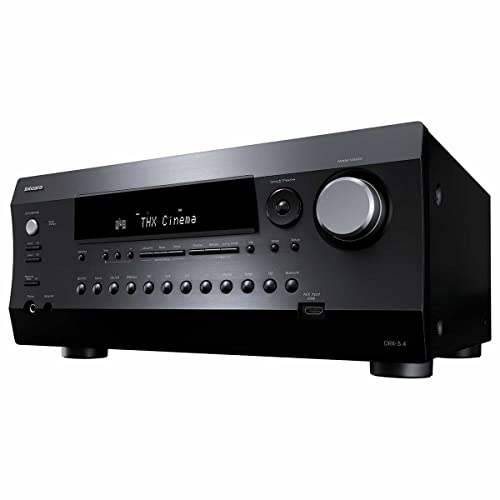
Integra DRX-3.4
A 7.2-channel receiver with USB-C input, THX certification, and extensive control options for custom setups. It offers reliable performance and integration capabilities.
Pros
- THX certification ensures quality
- Great for custom installs with IP control
- USB-C port for modern sources
Cons
- Lower channel count
- No Dirac Live (uses AccuEQ)
Before you buy
Side by side
| # | Model | Channels | Best for | Score | Price |
|---|---|---|---|---|---|
| 1 | Denon AVR-X3800H | 9.4 | Best overall for advanced home theater | 9.4 | Check price |
| 2 | Yamaha RX-A6A | 9.2 | Best for music streaming with USB-C | 9.1 | Check price |
| 3 | Sony STR-AN1000 | 7.2 | Best for gaming and 360 Reality Audio | 8.8 | Check price |
| 4 | Onkyo TX-NR7100 | 9.2 | Best value for 9.2 channels | 8.7 | Check price |
| 5 | Pioneer VSX-LX305 | 9.2 | Best for multi-room audio | 8.5 | Check price |
| 6 | Marantz SR7015 | 9.2 | Best for high-end stereo music | 9.0 | Check price |
| 7 | Integra DRX-3.4 | 7.2 | Best for custom installation | 8.2 | Check price |
Common questions
What is the benefit of USB-C on an AV receiver?
USB-C allows direct connection of smartphones, tablets, and laptops for audio streaming and charging, providing a simple, high-quality digital audio interface.
Can I play high-resolution audio through USB-C?
Many receivers with USB-C support high-resolution audio up to 24-bit/192kHz or even DSD, depending on the model. Check the specifications.
Do all AV receivers with USB-C have the same features?
No, USB-C implementations vary. Some support audio playback only, while others also charge connected devices. Additionally, the audio formats supported differ.
How many HDMI ports do I need?
This depends on how many sources you have. Most receivers offer 6-8 HDMI inputs, which is sufficient for typical setups including cable boxes, streaming devices, and gaming consoles.
What is the difference between 7.2 and 9.2 channel receivers?
A 7.2 receiver can power 7 speakers and 2 subwoofers, while a 9.2 adds two more height channels for enhanced Dolby Atmos effects. More channels require more speakers.
Do these receivers support 4K/120Hz gaming?
Models with HDMI 2.1 ports, such as the Sony STR-AN1000 and Onkyo TX-NR7100, support 4K/120Hz passthrough for gaming.
Can I use USB-C to charge my phone while listening to music?
If the receiver’s USB-C port supports charging, yes. Check the specifications; many do support charging at 5V/1A or higher.
Are there budget-friendly AV receivers with USB-C?
Yes, models like the Onkyo TX-NR7100 and Pioneer VSX-LX305 offer USB-C and are more affordable than premium options.
What is the best room correction system?
Dirac Live is considered one of the best, offering advanced calibration. Audyssey MultEQ XT32 (Denon) and AccuEQ (Onkyo/Pioneer) are also effective. Your choice may depend on budget.
Will these receivers work with my existing speakers?
Yes, as long as your speakers have standard binding posts or banana plugs, they will connect. Ensure impedance ratings match (usually 4-8 ohms).
Final word
For most home theater enthusiasts, the Denon AVR-X3800H offers the best balance of performance, channels, and future-proof features. If you’re on a budget, the Onkyo TX-NR7100 provides exceptional value with Dirac Live. Music lovers should consider the Yamaha RX-A6A for its streaming strengths.
Marcus Chen
Marcus covered consumer electronics for enthusiast tech publications for six years before joining ChoiceCrest. He specializes in translating manufacturer spec sheets into plain-language buying advice, with a focus on audio, computing accessories and smart-home gear.


