Why Do Toddler Tantrums Spike Around Nap Time?
Tantrums spike around nap time because a toddler’s sleep pressure has been building for hours while their ability to regulate emotions is simultaneously running low. The same brain circuits that manage frustration and impulse control are the ones most sensitive to fatigue, so by early afternoon a small disappointment can tip into a full meltdown. It is a timing problem more than a discipline problem.
The sleep pressure curve
A toddler who woke at 7 a.m. has usually been awake for five to six hours by early afternoon. During that stretch, a chemical called adenosine accumulates in the brain and creates what sleep researchers call sleep pressure. The longer a child stays awake, the stronger that pressure gets, and the harder it becomes for them to stay calm and organized. The meltdown is often the visible edge of that curve, not a sudden change in personality.
Why the brake pedal stops working
The prefrontal cortex, the part of the brain responsible for holding back impulses and managing frustration, is still developing rapidly in toddlers and is especially vulnerable to fatigue. When a child is tired, that brake pedal gets weaker while the emotional alarm system gets louder. That is why a toddler who handles a dropped cracker calmly in the morning can fall apart over the same cracker at 1 p.m.
The transition problem
Nap time itself involves a transition: stopping play, leaving a preferred activity, and shifting to a quieter state. Transitions are already hard for toddlers, who do not yet have a strong sense of time or the ability to hold two ideas at once. Pair a difficult transition with rising fatigue and you get a predictable flashpoint right before the nap, not just after it.
Hunger and nap time often collide
Lunch usually lands in the same window as the nap transition, so a toddler may be simultaneously tired and hungry, and hunger amplifies irritability. A child who did not eat much lunch because they were distracted will hit the nap-time window with two stressors stacked on top of each other, which makes the meltdown more likely and more intense.
What the meltdown is actually communicating
A tantrum at nap time is not usually manipulation. It is a nervous system that has run out of bandwidth trying to communicate a need it cannot name. Toddlers do not yet have the language to say I am exhausted and everything feels like too much, so the body says it instead, through crying, flopping, or resistance.
How to soften the spike
The most reliable lever is timing. Watch for early tired signs, like eye rubbing, slowing down, or clinginess, and start the nap routine before the meltdown window opens rather than after it has started. A predictable wind-down sequence, a snack before the transition, and dimming the room can all lower the load. If a tantrum is already underway, keeping your own voice low and offering space without escalation usually shortens it more than reasoning does, since a flooded toddler cannot process logic in the moment.

Hatch Baby Rest Sound Machine
A bedside sound machine and night light that can be programmed with a nap-time color cue, which gives toddlers a visual signal that quiet time is starting.
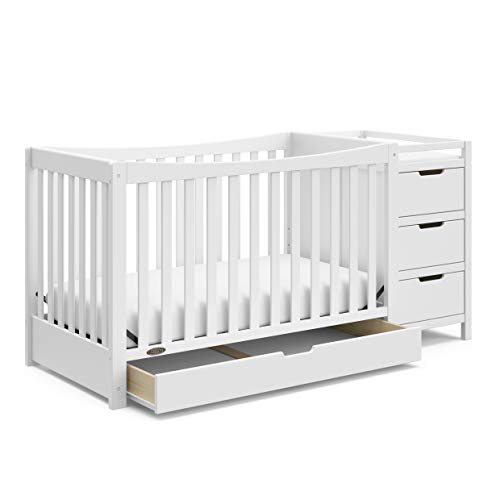
Graco Remi 4-in-1 Convertible Crib
A convertible crib that transitions from crib to toddler bed, useful for families whose nap struggles are tied to the move out of a crib.
Good to know
Why does my toddler have a meltdown right before nap time every day?
Because sleep pressure has been building since morning and their ability to regulate frustration is lowest right at that point. The meltdown is a fatigue signal, not a sign that you are doing something wrong.
Is it normal for a toddler to fight sleep and then crash?
Yes. Many toddlers resist the transition to sleep even when they are exhausted, because stopping play feels like a loss. The resistance often collapses quickly once they are actually in a quiet, dim room.
How long should a toddler be awake between morning wake-up and nap?
Most toddlers do well with a wake window of roughly five to six hours before their nap, though this varies by age and individual child. Pushing much past that window usually increases meltdown risk rather than improving sleep.
Can skipping a nap cause more tantrums later in the day?
Yes. A skipped nap often produces a second wind followed by a harder crash in the late afternoon or early evening, with more frequent and more intense tantrums than a normal nap day would bring.
Why is my toddler fine at daycare but melts down at home before nap?
Daycare often provides a highly predictable routine and peer modeling, which can mask fatigue. At home, where the child feels safest, they are more likely to let the fatigue show, which is why the meltdown happens there.
Does hunger make nap-time tantrums worse?
It often does, since lunch and nap time frequently overlap. A toddler who is both tired and hungry has two stressors at once, and a small snack before the wind-down can reduce the intensity.
Should I discipline a toddler for tantrums at nap time?
Discipline is not usually effective for fatigue-driven tantrums, because the child is not choosing the behavior. Calm limits, a quiet voice, and helping them settle are more useful than consequences in that moment.
Why does my toddler tantrum when I say it is time for nap?
The announcement itself is a transition, and transitions are hard for toddlers who cannot yet hold the idea of later in mind. Giving a warning a few minutes ahead and offering a choice about which book to read can soften the shift.
Can overtiredness cause more tantrums than undertiredness?
Yes, in most cases. An overtired toddler has higher sleep pressure and weaker emotional regulation, so the meltdowns tend to be more explosive and harder to recover from than when a child is simply not quite sleepy yet.
How can I tell if my toddler is tired versus just testing limits?
Tired signs tend to be physical: eye rubbing, yawning, slowing down, clinginess, or clumsiness. Limit-testing usually comes with more eye contact and a watchful reaction to your response. Both can happen at once, but the physical signs point to fatigue.
Does screen time before nap make tantrums worse?
It can, because screens are stimulating and make the transition away from them harder. A calm, screen-free wind-down of ten to fifteen minutes is usually easier for a tired toddler to accept.
Why does my toddler wake up from nap cranky and tantrum then too?
Waking from a nap involves another transition, and some toddlers wake in a groggy, disoriented state. A few minutes of quiet cuddle time before expecting them to re-engage can prevent the post-nap meltdown.
Is there a link between nap-time tantrums and dropping the nap entirely?
Yes. The period when a toddler is transitioning out of naps often brings a spike in late-day tantrums, because the child is not yet able to handle a full day awake but also resists the nap. A quiet rest period can bridge that gap.
How much nap does a toddler actually need to reduce tantrums?
Most toddlers between one and three years old need roughly one to three hours of daytime sleep, but the consistency of the timing matters as much as the total. A predictable nap slot tends to reduce meltdowns more than a longer but erratic one.
Can a nap that is too late in the day cause more tantrums?
A late nap can push bedtime later and create a cycle of shorter night sleep, which raises sleep pressure the next day. For most toddlers, an early afternoon nap works better than a late one.
Why does my toddler seem to save their biggest tantrum for me?
Children often hold it together in less familiar settings and then release the accumulated stress at home with their primary caregiver, who feels safest. It is a sign of attachment, not a sign that you are failing.
Should I let my toddler tantrum it out before nap?
Staying nearby and calm while allowing the feeling to pass is reasonable, but leaving a flooded toddler alone for long usually escalates things. The goal is to help the nervous system settle, not to win the moment.
Does teething or illness make nap-time tantrums worse?
Yes. Pain and discomfort lower a child’s threshold for frustration, so a toddler who is teething or coming down with something will often melt down more easily around nap time for reasons that have nothing to do with sleep habits.
Our take
Nap-time tantrums are usually a fatigue and transition problem, not a discipline problem. Watching for early tired signs and starting the wind-down before the meltdown window opens does more than any consequence, and a predictable routine makes the whole afternoon calmer for everyone.
Rachel Simmons
Rachel previously worked in child-product retail and brings a practical, detail-first eye to gear reviews, focusing on safety standards, ease of use and the fine print that matters most for new caregivers.