Why Do Toddler Bike Helmets Fit Differently Than Adult Helmets?
Toddler bike helmets fit differently because a toddler’s head is not just a scaled-down adult head. Young children have a rounder, shorter skull with a more prominent forehead and a different center of gravity, so helmets are built with a deeper, more enveloping shell, a lower rear edge, and a retention system that adjusts around a smaller circumference. Adult helmets assume a longer, narrower head shape and a higher, more upright riding posture, so they do not sit correctly on a toddler even if the circumference matches.
Head shape is the biggest difference
An adult skull is typically longer front-to-back than it is wide, an oval shape that most adult helmets are molded around. A toddler’s skull is rounder and shorter, with a proportionally larger forehead and a flatter back. A helmet shaped for an adult oval will leave gaps at the sides or press uncomfortably at the front and back on a toddler, even when the circumference measurement is the same. That is why toddler helmets use a rounder internal mold rather than a scaled-down adult mold.
The shell sits lower and covers more
Toddler helmets generally extend further down the back of the head and over the temples. This lower profile protects the more delicate occipital area and gives more coverage for the way young children fall, which is often backward or sideways at low speed rather than forward over the bars. Adult helmets are cut higher at the back to leave room for neck movement and a more upright riding position, a trade-off that does not suit a toddler’s proportions.
Retention systems are built for a different adjustment range
Adult dial fit systems typically adjust across a range of several centimeters, but the mechanism assumes a certain head circumference and shape. Toddler helmets use a smaller dial range, often with a different cradle shape that hugs the base of the skull more closely. Some toddler models also use a pinch guard or a softer chin strap to avoid pinching skin, and the buckle is positioned to sit further back so it does not rub under the chin.
Weight and center of gravity matter more
A toddler’s neck muscles are still developing, so a helmet that is proportionally heavier than an adult helmet can pull the head forward or make the child resist wearing it. Toddler helmets are built with thinner shells and less ventilation hardware to keep the weight down, and the weight is distributed lower on the head. An adult helmet, even a light one, is usually too heavy and too high-profile for a small child to wear comfortably for a full ride.
Ventilation and coverage trade-offs are different
Adult helmets often prioritize airflow with large vents and deep channels, since adults ride longer and sweat more. Toddler helmets tend to have fewer, smaller vents and more solid shell area, because young children overheat differently and because the priority is protection at low speeds rather than cooling during sustained effort. The result is a helmet that looks less ventilated but is designed for the way a toddler actually uses a bike.
Standards and sizing labels are not interchangeable
Toddler helmets are tested to the same CPSC or EN safety standards as adult helmets, but the sizing labels reflect different head circumference ranges. A helmet labeled for toddlers might fit a 44 to 50 cm circumference, while an adult small might start at 52 cm. More importantly, the shape of the interior padding and the position of the straps are designed around a toddler’s head, so a helmet that meets the standard in the right circumference can still fit poorly if it is an adult model.

Giro Scamp MIPS Toddler Helmet
A toddler-specific helmet with a rounded internal shape, a lower rear edge, and a dial fit system sized for small heads.
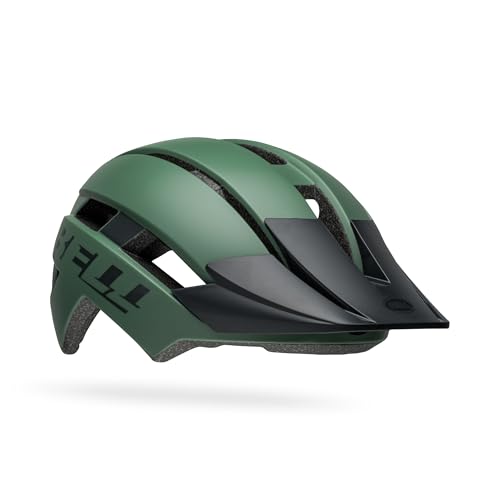
Bell Sidetrack Child Helmet
A child helmet with a smaller shell, extended rear coverage, and a pinch guard on the buckle, designed for young riders.
Frequently asked questions
Can a toddler wear an adult helmet if it fits the circumference?
It can physically go on, but it will not fit correctly. The internal shape is designed for an adult oval head, so it will likely sit too high, leave gaps at the sides, or press at the forehead, which reduces protection in a fall.
How do I know if a toddler helmet fits properly?
The helmet should sit level on the head, cover the forehead down to about two finger widths above the eyebrows, and not rock forward or backward when the child shakes their head. The chin strap should be snug enough that you can fit only one finger under it.
Why do toddler helmets look rounder than adult helmets?
Because a toddler’s skull is actually rounder and shorter than an adult’s. The helmet shell is molded to match that shape, so it looks more spherical and less elongated than an adult helmet.
Do toddler helmets have the same safety certification as adult helmets?
Yes, in the US they must meet the same CPSC standard, and in Europe the same EN 1078 standard. The difference is in the fit and coverage, not the basic impact testing.
Is it safe to buy a helmet that is a size too big so the child can grow into it?
No. A loose helmet can shift on impact and leave parts of the head unprotected. It is better to buy the correct size and replace it as the child grows, since a helmet that does not fit snugly will not protect properly.
Why does my toddler’s helmet push down on their forehead?
That usually means the helmet is an adult shape or is tilted too far forward. Toddler helmets have a rounder interior and a different strap configuration to avoid pressure at the forehead.
Can I adjust an adult helmet down to fit a toddler?
The dial can tighten the circumference, but it cannot change the shape of the shell or the position of the straps. An adult helmet tightened onto a toddler head will still sit too high and may not cover the back of the head adequately.
Do toddler helmets need a different chin strap?
Many toddler helmets use a softer strap and a buckle with a pinch guard, because young children have more sensitive skin and are more likely to complain about rubbing. The strap is also positioned to sit further back under the chin.
Why are toddler helmets less ventilated than adult helmets?
Toddler helmets prioritize coverage and low weight over airflow. Young children on balance bikes or tricycles move slowly and do not generate the same heat as adults on a long ride, so fewer vents are needed, and more shell area provides better protection.
How often should a toddler helmet be replaced?
Replace it after any impact, even a minor drop, and check the manufacturer’s recommended replacement interval, typically every three to five years. Also replace it when the child outgrows the size range.
Can a toddler wear a multi-sport helmet instead of a bike helmet?
A multi-sport helmet can work if it is certified for cycling and fits the toddler’s head shape, but many multi-sport helmets are shaped more like adult helmets and may not sit as low or as round as a bike-specific toddler helmet.
Why does my toddler’s helmet slide back on their head?
That often happens when the rear retention dial is not snug or the helmet is too large. Toddler helmets have a cradle that grips the base of the skull, so if it slides, the fit is likely too loose or the helmet is not the right shape.
Do toddler helmets come in different head shapes?
Most toddler helmets are designed around a rounder head shape, but some brands offer a slightly different internal profile. If one brand does not fit, trying another brand can help, since fit varies even within the toddler category.
Is it normal for a toddler to resist wearing a helmet?
Yes, especially if the helmet is uncomfortable or too heavy. A properly fitted toddler helmet that is lightweight and sits correctly is more likely to be accepted, and letting the child choose the color can help.
Can I use an adult helmet for a toddler in a bike trailer or seat?
The same fit rules apply. A helmet must fit the child’s head shape and size, so an adult helmet is not appropriate even in a trailer or seat, because the child still needs protection if the trailer tips or the bike falls.
Why do toddler helmets have a lower back edge?
The lower back edge covers the occipital area, which is more vulnerable in the backward falls that are common for young children. Adult helmets are cut higher to allow neck movement, but toddlers need more coverage there.
How do I measure a toddler’s head for a helmet?
Use a soft measuring tape around the widest part of the head, just above the eyebrows and around the back. Compare that measurement to the helmet’s size range, and remember that shape matters as much as circumference.
Do toddler helmets need MIPS or other rotational protection?
MIPS and similar systems are available in toddler helmets and add rotational impact protection, but the most important factor is still a correct fit. A well-fitted helmet without MIPS is safer than a poorly fitted one with it.
Final word
A toddler helmet is not just a smaller adult helmet. It is built around a different head shape, a different riding posture, and a different set of priorities. Buying one that is actually designed for a toddler’s proportions is the difference between a helmet that sits correctly and one that is merely the right circumference.
Rachel Simmons
Rachel previously worked in child-product retail and brings a practical, detail-first eye to gear reviews, focusing on safety standards, ease of use and the fine print that matters most for new caregivers.


