Why Does a Leaf Blower Lose Power on Wet Leaves?
A leaf blower does not actually lose engine or motor power on wet leaves, what changes is how much resistance the leaves put up against the same airflow. Wet leaves are heavier, cling to grass and pavement through surface tension, and tend to clump together rather than separating individually, all of which require far more force to move than the same leaves would need when dry and light. Understanding this distinction also explains why the exact same blower can feel completely different in performance from one morning to the next, purely based on overnight dew or recent rain.
What a leaf blower’s airflow is actually working against
A blower moves a column of air at a certain speed and volume, and that air has to overcome the weight of the object being pushed along with however much it is sticking to the surface beneath it. Dry leaves are light and slide easily, so even moderate airflow moves them well, while wet leaves add significant weight and surface adhesion that the same airflow now has to fight against. This is also why pushing a blower’s airflow at a steep upward angle, which works fine for scattering dry leaves across open ground, tends to perform noticeably worse on wet leaves that need a more direct, ground-level push.
Why surface tension matters more than most people expect
A thin film of water between a leaf and the ground or pavement creates a surface tension bond that acts almost like a weak adhesive, and overcoming that bond takes meaningfully more force than simply moving an unattached object. This is a big part of why wet leaves seem to resist moving at all until a blower is aimed at a much steeper or closer angle. Grass clippings mixed into wet leaves compound this effect further, since the combination tends to mat together even more tightly than wet leaves alone, creating extra resistance for any blower to overcome.
Why wet leaves clump instead of scattering
Moisture makes leaves stick to each other as well as to the ground, so instead of scattering as individual leaves under airflow, wet leaves tend to move as a heavier, denser mat. That combined mass requires proportionally more air force to shift than the same number of leaves would need if they were separating and moving individually. Working in smaller sections at a time, rather than attempting to clear a full yard’s worth of wet leaves in one continuous pass, also reduces how much clumped mass the blower has to move at once.
How blower type changes how noticeable this problem is
A higher airflow volume, often described as higher CFM, generally handles wet leaves better than a blower rated mainly for high air speed but lower volume, since moving a heavier, clumped mat benefits more from sheer volume of moving air than from a narrow, fast jet of air. Backpack-style blowers, which generally offer higher sustained CFM than smaller handheld models, are a common professional choice specifically because of this volume advantage on tougher wet-leaf jobs.
Why technique matters as much as raw power on wet leaves
Holding the blower at a lower, more direct angle against the leaf mat, and working in shorter overlapping passes rather than trying to clear a wide area in one sweep, tends to work better on wet leaves than the wider, faster technique that works fine on dry leaves. Some users also find that working with the wind rather than directly against it, even on wet leaves, meaningfully reduces how much extra force the blower needs to supply on its own.
When wet leaves are better raked than blown regardless of blower power
Beyond a certain point, like leaves that have been wet and matted for days or have started to compost slightly, no amount of airflow moves them efficiently, and raking or a vacuum attachment designed for wet debris becomes the more realistic approach rather than continuing to fight it with a blower. A tarp or leaf net dragged under a pile before rain hits is a simple preventative step that avoids the wet-leaf problem entirely for anyone expecting rain during an active cleanup.

Toro Ultra 51621 Electric Leaf Blower
A higher airflow volume electric blower that handles damp leaf piles better than models tuned mainly for high air speed.

WORX WG521 TRIVAC Blower/Mulcher/Vac
A multi-function electric blower that can switch to vacuum and mulch mode, useful when wet leaves are better collected than blown.
Common questions
Does a more powerful leaf blower always handle wet leaves better?
Generally yes, but airflow volume matters more than air speed alone, so a high-CFM blower often outperforms a high-speed, lower-volume model on wet leaves.
Why do wet leaves stick to the ground even with strong airflow?
A thin film of water creates surface tension between the leaf and the ground, which acts like a weak adhesive that airflow has to overcome before the leaf can move at all.
Is it better to rake wet leaves instead of blowing them?
For heavily matted or partially composted wet leaves, raking or a wet-rated vacuum attachment is often more effective than continuing to blow them.
Does leaf blower technique matter more on wet leaves than dry ones?
Yes, a lower, more direct angle and shorter overlapping passes tend to work better on wet, clumped leaves than the wider sweeping technique used on dry leaves.
Can a gas leaf blower handle wet leaves better than an electric one?
Not inherently, since the determining factor is airflow volume and technique rather than fuel type, though higher-end gas models often have higher CFM ratings.
Why do leaves clump together when wet?
Moisture creates adhesion between individual leaves as well as to the ground, causing them to stick together into a heavier mass instead of separating.
Does a leaf blower’s engine actually weaken in wet conditions?
No, the engine or motor output stays the same, what changes is how much resistance the wet, heavier, clumped leaves put up against that same airflow.
Is CFM or air speed more important for wet leaves?
CFM, or air volume, tends to matter more for moving heavier, clumped wet leaf mats than raw air speed alone.
Can using a leaf blower on wet leaves damage the blower?
Not typically, though operating any outdoor power equipment in heavy rain or standing water should be avoided for both safety and equipment longevity reasons.
Why does blowing wet leaves sometimes just push water around instead of leaves?
If the leaf layer is thin or saturated, the blower’s airflow can disturb the water underneath more than it moves the leaves themselves, especially at a shallow angle.
Does leaf type affect how wet leaves behave under a blower?
Yes, broad, flat leaves tend to mat and stick more than smaller or curled leaf types, which affects how much resistance a blower encounters.
Is it worth waiting for leaves to dry before blowing them?
Often yes, since dry leaves are dramatically easier to move with the same blower, which can save significant time and effort compared to working on them wet.
Can a leaf vacuum attachment work better than blowing on wet leaves?
Yes, a vacuum or mulching attachment can pick up wet, matted leaves directly rather than relying on airflow alone to displace them.
Does cold, wet weather affect a leaf blower’s performance mechanically?
Cold can slightly affect engine or battery performance in some models, but the leaf resistance itself, not the blower’s mechanical output, is the main factor in wet-leaf difficulty.
Does a mulching mower handle wet leaves better than a blower does?
In some cases yes, since a mower’s blade can shred and collect wet leaves directly rather than relying on airflow to displace them, though very wet or deep piles can still clog a mower’s chute.
The bottom line
The blower is not getting weaker, the job is getting harder. Wet leaves add weight, stickiness, and clumping that dry leaves never present, and recognizing that it is a leaf problem rather than a machine problem changes how you approach clearing them, sometimes toward a different technique and sometimes toward just waiting for things to dry out. Once the resistance is understood as coming from the leaves rather than the machine, adjusting technique, waiting for drier conditions, or switching to raking stops feeling like a workaround and starts feeling like the obvious answer.
Sierra Daniels
Sierra's background is in landscape design and nursery retail. She focuses on lawn and garden equipment, outdoor furniture and gear durability, weighing published specs against how materials actually hold up outside.
You might also need
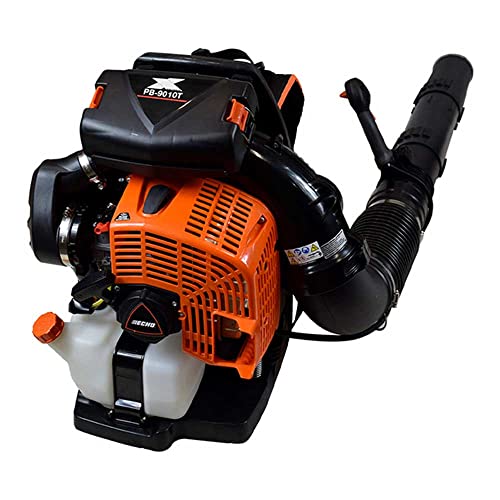
Powerhouse Leaf Blowers Built for Large Acreage
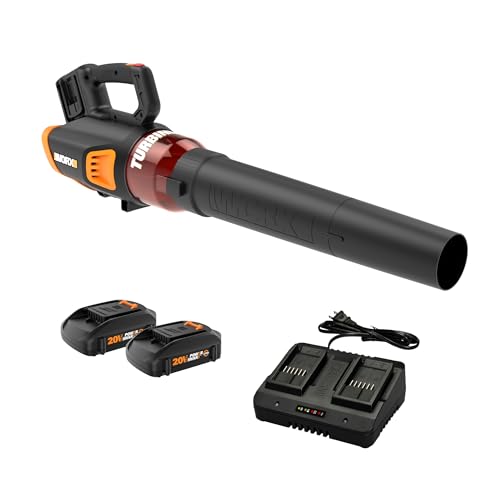
Top Cordless Leaf Blowers with Cruise Control for Easy Yard Work

Why Does a Pressure Washer’s PSI Rating Matter More Than GPM for Some Jobs?
