Why Do Golf Grips Wear Smooth Over Time?
Golf grips wear smooth because the rubber or synthetic compound gradually breaks down from friction, hand oils, dirt, and UV exposure, and the molded texture pattern that creates traction physically flattens with repeated swings. It is a real chemical and physical change to the material, not just visible wear, and a smooth grip measurably reduces how securely you can hold the club through impact.
What actually wears down
A golf grip’s tackiness comes from a textured rubber or synthetic compound molded with small ridges, dimples, or cord patterns that create friction against skin. Every swing presses and twists that surface against the hands, and over thousands of repetitions the raised texture physically compresses and smooths out, the same way tire tread wears down on pavement.
Hand oils and sweat speed it up
Skin naturally produces oils, and sweat carries salts and minerals that soak into porous rubber and synthetic grip material. That absorption causes the compound to harden and glaze over faster than age alone would cause, which is why golfers who play without gloves or sweat heavily in hot climates often need new grips well before players in cooler, drier conditions.
UV and heat exposure matter too
Rubber and most synthetic grip compounds break down under ultraviolet light and high heat, even when the club is not being used. Clubs left standing in a car trunk on a hot day or stored in direct sun lose elasticity and surface tack over time, which is a slower but very real contributor alongside the wear from actual swings.
How a worn grip changes your swing without you noticing
A slick grip forces an unconscious tightening of the hands to compensate for lost traction, and that extra tension travels up through the wrists and forearms. Tighter grip pressure restricts the natural release through impact, which shows up as a loss of clubhead speed, inconsistent face angle at contact, and a tendency toward pushes, pulls, or an unexpected slice.
The visible signs it is time to regrip
Shiny, slick patches where the hands sit, grooves or cord pattern worn flat and smooth, cracking near the top or bottom of the grip, and noticeable slipping in wet or humid weather are the clearest signals. If a grip feels fine dry but slips the moment your hands sweat, that is usually the first stage of this wear showing up.
Not all grip materials wear the same way
Standard rubber grips are comfortable and affordable but glaze from oil absorption fastest. Corded grips, which blend rubber with woven fiber strands, resist that oil glazing much longer and hold up better in wet rounds, though the texture feels rougher on bare hands. Hybrid grips split the difference, pairing a cord lower half with a smoother rubber upper half.
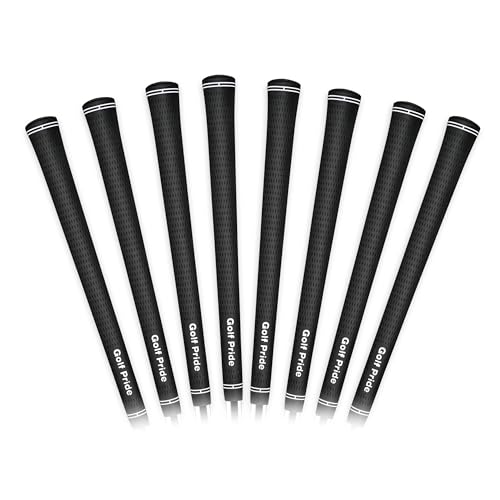
Golf Pride Tour Velvet Grips
A standard rubber grip used widely on tour and in pro shops, valued for a consistent round profile and predictable feel when fresh.

Lamkin Crossline Grips
A textured rubber grip with a crosshatch pattern designed to hold traction longer in sweaty or humid conditions than a smooth rubber grip.
Frequently asked questions
How long do golf grips usually last before they need replacing?
Most recreational golfers get somewhere between 40 and 80 rounds out of a set of grips before the tackiness noticeably fades, though players who practice heavily or play in hot, sweaty conditions often see it sooner.
Can you clean a golf grip instead of replacing it?
Washing grips with mild soap and warm water on a regular basis removes surface dirt and oil and can extend their useful life, but it cannot restore texture that has already physically worn flat.
Does using golf gloves slow down grip wear?
Yes, a glove puts a barrier between skin oils and the grip surface, which reduces oil absorption and glazing, so golfers who always wear a glove on their lead hand often get more life out of a set of grips.
Is it normal for one grip to wear faster than the others in a bag?
Yes, clubs used most often, typically the driver and the most-hit irons, wear noticeably faster than clubs that rarely leave the bag, like a 3 iron many golfers barely swing.
Does rain or wet weather actually damage grips?
Occasional wet rounds are not harmful as long as grips dry out afterward, but clubs stored wet or left in a damp bag for long periods can soften and degrade the rubber compound faster than normal play would.
Can a worn grip actually cause a slice?
Indirectly, yes. A slick grip often causes a golfer to grip tighter out of instinct, and that added tension can open the clubface slightly through impact or restrict the release, both of which contribute to a slice.
Do cheaper grips wear out faster than premium ones?
Generally yes, since budget grips often use a softer or less UV-stable rubber compound, though a mid-priced grip from a known golf brand usually performs close to a premium one for most recreational players.
How do I know if a grip is too far gone to bother cleaning?
If the texture pattern is visibly flattened or the surface looks shiny and glassy rather than matte, cleaning will remove surface grime but will not bring back lost traction, meaning it is past the point cleaning helps.
Does regripping require removing all the old tape underneath?
Yes, the old grip and the double-sided tape beneath it need to come off completely so the new tape can bond directly to a clean shaft surface, otherwise the new grip can shift or spin during a swing.
Is it worth learning to regrip clubs at home instead of paying a shop?
For golfers who regrip often, a basic kit with solvent, tape, and a vise pays for itself quickly, though a shop regrip is a reasonable choice for someone doing it only once a year.
Can grip solvent damage the shaft or clubhead?
Standard grip solvent is designed to evaporate cleanly and is safe on steel and graphite shafts when used as directed, though it should be wiped away rather than left pooling for extended periods.
Does grip size matter as much as the material itself?
Both matter, but for traction specifically, material and texture drive how tacky the surface feels, while grip size mainly affects hand position and how much the fingers can flex during the swing.
How often should a casual weekend golfer plan to regrip?
Once a year is a reasonable baseline for someone playing regularly through a season, though golfers who play far less than that can often stretch two seasons between regrips.
Does storing clubs in a hot car trunk really speed up wear?
Yes, repeated heat exposure accelerates the breakdown of rubber compounds even without any swinging, so clubs that spend summer afternoons in a hot trunk age faster than clubs stored indoors at normal temperature.
Can a worn grip increase the chance of a club slipping out of your hands?
Yes, especially in wet or cold conditions, a worn grip with flattened texture has measurably less friction, which raises the risk of the club twisting or slipping during a fast swing.
Is there a way to test if a grip still has enough tack without replacing it?
A simple check is pressing a thumb into the grip surface after wetting your hands slightly, if it feels slick rather than grabby, that is a reliable sign the texture has worn down.
Do all 14 clubs in a bag need regripping at the same time?
Not necessarily, since wear varies by how often each club is used, but many golfers regrip the whole set together anyway simply for a consistent feel across every club.
Our take
Grip wear is easy to ignore because it happens slowly, a little duller every round until one day the club feels noticeably different in your hands. The fix is inexpensive and quick compared to almost anything else in the bag, so treating grips as a routine wear item rather than waiting for them to fail outright is the more useful habit.
Derek Holt
Derek has a background coaching recreational and amateur athletes and has worked the sales floor at specialty fitness retailers. He focuses on equipment durability, ergonomics and realistic use cases rather than marketing claims.


