Why Does Exhaust Smell Different When Something Is Failing?
A noticeable change in exhaust smell almost always points to a specific chemical or mechanical cause rather than general wear, since different failures produce distinct byproducts that the nose can pick up before a dashboard warning light does. A sweet smell often means coolant burning, a rotten-egg smell usually points to the catalytic converter struggling with a rich fuel mixture, and a sharp, acrid smell commonly means oil is burning somewhere it should not be.
Why smell changes before instruments catch the problem
Exhaust odor comes directly from whatever is actually combusting or leaking into the hot exhaust stream, so a new smell often reflects a chemical change happening in real time, before sensors detect something significant enough to trigger a warning light. This is why a driver’s nose sometimes catches a developing problem earlier than the dashboard does.
What a sweet smell usually means
A sweet, almost syrupy odor from the exhaust is a classic sign of coolant entering the combustion chamber or exhaust system, often through a failing head gasket or a cracked component, and it is one of the more urgent smells to investigate since continued coolant loss can lead to overheating and more serious engine damage. This smell is different enough from normal exhaust that most drivers notice it immediately once it appears.
What a rotten-egg smell usually means
This distinctive sulfur smell typically points to the catalytic converter struggling to fully process a fuel mixture that is running too rich, meaning too much fuel relative to air, which overloads the converter’s ability to convert sulfur compounds efficiently. A failing oxygen sensor or fuel injector issue causing that rich condition is often the underlying root cause rather than the catalytic converter itself being the original problem.
What a sharp, acrid, or burning oil smell usually means
This points to oil reaching a hot exhaust component it should not be touching, commonly from a valve cover gasket leak dripping onto the exhaust manifold, or in more serious cases, oil being burned inside the combustion chamber itself due to worn piston rings or valve seals. The smell’s intensity and whether it is accompanied by visible smoke helps narrow down which of these is more likely.
What a persistently rich-smelling exhaust paired with rough running might mean
Beyond simple catalytic converter strain, a persistently rich-smelling exhaust paired with rough idle or hesitation often points toward a failing sensor feeding bad data to the engine computer, since the computer is trying to correct based on inaccurate information rather than the actual air-fuel ratio the engine needs. Addressing the sensor issue typically resolves both the smell and the performance symptom together.

BlueDriver Bluetooth Pro OBDII Scan Tool
A diagnostic scanner that reads live sensor data and stored fault codes, useful for narrowing down the actual cause behind a changed exhaust smell.
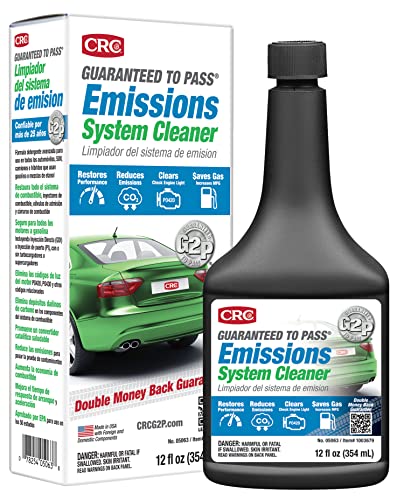
CRC Catalytic Converter Cleaner
An additive intended to help clear mild carbon buildup contributing to converter inefficiency, though it does not fix mechanical leaks or sensor failures.
Frequently asked questions
What does a sweet smell from the exhaust usually indicate?
It most commonly points to coolant entering the combustion or exhaust system, often from a failing head gasket, and should be checked promptly since continued coolant loss risks engine overheating.
Why does exhaust sometimes smell like rotten eggs?
That sulfur smell is typically the catalytic converter struggling to process a fuel mixture running too rich, and the real fix is usually addressing whatever is causing the rich condition rather than just the converter.
Can a bad oxygen sensor really cause the exhaust to smell different?
Yes, a failing oxygen sensor can feed the engine computer inaccurate data, leading to an incorrect fuel mixture that changes exhaust composition and smell, often alongside a rotten-egg odor specifically.
Does burning oil in the exhaust always mean a serious engine problem?
Not always; it can be as simple as a valve cover gasket leak dripping oil onto a hot exhaust surface externally, though it can also indicate worn internal components burning oil during combustion, which is more serious.
Is a sharp, chemical exhaust smell dangerous to breathe while driving?
Prolonged exposure to exhaust fumes of any kind, especially inside the cabin if fumes are entering through a leak, can be harmful, and any new strong smell noticed inside the car specifically should be investigated right away.
Can a rich fuel mixture be caused by something other than a sensor failure?
Yes, a clogged air filter, a malfunctioning fuel injector, or a failing fuel pressure regulator can all cause a rich condition independent of sensor accuracy, each producing a similar rotten-egg type smell.
How can you tell if an exhaust smell is coming from coolant versus oil?
Coolant typically produces a distinctly sweet smell, while burning oil produces a sharper, more acrid smell, and checking fluid levels for both coolant and oil is a reasonable first step to narrow down which is actually low.
Does a failing catalytic converter always produce a smell?
Not always on its own; a converter failing due to physical damage or clogging may instead cause performance loss and a check engine light without a strong distinct odor, while a converter overloaded by a rich mixture is more likely to produce the sulfur smell.
Can an exhaust leak itself cause a new smell inside the car?
Yes, a leak in the exhaust system before the muffler can let fumes escape closer to the cabin area, sometimes producing a noticeably stronger exhaust smell that is detectable inside the car rather than only outside it.
Is it normal for a cold engine to produce a slightly different exhaust smell on startup?
Yes, a cold engine runs a richer mixture briefly during startup as part of normal operation, which can produce a slightly stronger, temporary smell that clears up once the engine reaches operating temperature.
Does the type of fuel used affect how exhaust normally smells?
Yes, different fuel blends and octane ratings can produce subtly different baseline exhaust smells under normal operation, which is separate from the stronger, distinct odors associated with an actual failure.
Can a diesel engine’s exhaust smell changes mean something different than a gasoline engine’s?
Yes, diesel exhaust has its own normal baseline smell, and changes in diesel exhaust odor often point toward different issues, like injector problems or particulate filter regeneration cycles, rather than the gasoline-specific causes like catalytic converter strain.
Should a car be driven if the exhaust smell is strong and sudden?
A sudden, strong change in smell, especially a sweet coolant smell or any smell accompanied by smoke or warning lights, is a reasonable signal to stop driving and have the vehicle inspected rather than continuing on.
Can a mechanic diagnose the cause of a changed exhaust smell without a scan tool?
Experienced mechanics can often narrow down likely causes from smell and accompanying symptoms alone, but a scan tool reading live sensor data and stored codes usually confirms the root cause faster and more precisely.
Does exhaust smell change with engine load, like accelerating hard versus idling?
Yes, a rich-mixture smell is often more noticeable under load or acceleration when more fuel is being delivered, while a steady idle may mask a mild version of the same underlying issue.
Can fixing the underlying cause actually make an unusual exhaust smell go away completely?
Yes, once the actual mechanical or sensor issue causing the abnormal combustion or leak is repaired, the exhaust smell typically returns to normal, since the smell is a direct symptom of that specific underlying condition.
Does a strong exhaust smell right after an oil change mean something went wrong during the service?
It can, often from a small amount of spilled oil landing on a hot exhaust component during the service, which typically burns off and the smell fades within a short drive rather than indicating a lasting problem.
Can a damaged muffler change the exhaust smell even without an engine problem?
A damaged muffler mainly changes exhaust sound and can slightly alter how fumes disperse, but it does not typically change the underlying smell itself, which is driven more by what is actually combusting or leaking upstream.
Final word
The nose is a legitimately useful diagnostic tool here, since each of these smells maps to a fairly specific failure rather than being a vague sign of general wear. Treating a new, distinct exhaust smell as a lead worth following, rather than something to ignore until a warning light appears, usually catches the actual problem earlier and cheaper.
Tony Russo
Tony trained as an automotive technician and spent years in service and parts retail before moving into writing. He focuses on garage tools, car care products and accessories from a hands-on maintenance perspective.
You might also need
Why Does a Spare Tire’s Air Pressure Need Checking Even If Never Used?
Why Does Your Foam Cannon Foam Look Watery?
