Why Does Denim Shrink After the First Wash?
Cotton fibers are woven under tension on the loom, and that tension stays locked into the fabric until heat and moisture relax it, which is exactly what happens the first time a new pair of jeans goes through a wash and dry cycle. This first wash shrinkage, often called relaxation shrinkage, is largely a one time event for most denim, meaning the fabric settles into its true resting size and generally won’t shrink nearly as much on later washes, unless the denim is raw or unsanforized, in which case shrinkage can be more dramatic and happen specifically on the very first soak.
What’s actually happening at the fiber level
Cotton thread is woven under tension, and that tension is physically stored in the fabric’s structure until heat and moisture give the fibers enough energy to relax back toward their natural resting state. This is a physical property of the fiber, not a manufacturing flaw or a sign of poor quality.
Why the first wash specifically does most of the work
Most of that fiber relaxation happens in one event rather than gradually. Modern denim is almost always sanforized, meaning it’s mechanically pre shrunk at the mill before it’s even cut into jeans, so first wash shrinkage on sanforized denim is usually modest, often under about three percent.
Raw denim is a genuinely different story
Unsanforized raw denim skips that mill pre shrinking step entirely, so it can shrink considerably more, sometimes five to ten percent, specifically on its first soak. This is exactly why raw denim buying guides tell buyers to size up and plan a controlled first soak and dry rather than being surprised by it later.
Dryer heat does more shrinking work than the washer
The heat from a machine dryer is generally more responsible for shrinkage than the agitation and moisture of the wash cycle itself. Hanging jeans to air dry after washing preserves the original fit far better than running them through a hot dryer cycle.
Stretch denim behaves differently than pure cotton
Jeans blended with elastane or spandex can shrink in one direction while the stretch fiber recovers in another, which sometimes leaves jeans feeling shorter in length without necessarily feeling tighter, unlike the more uniform shrink pattern of 100 percent cotton denim.
What to actually do about it going forward
Washing in cold water, hanging to dry or using a low heat tumble setting, and intentionally buying raw denim a size larger if planning to size shrink it yourself are the main practical levers for controlling how much a given pair of jeans shrinks.

Levi’s 501 Original Fit Jeans
A classic rigid-leaning denim style with a long history tied to shrink-to-fit sizing, often used as the reference example when explaining first-wash shrinkage.
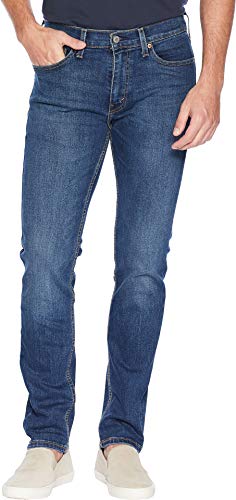
Levi’s 511 Slim Fit Jeans
A stretch-blend denim style that shows how elastane content changes shrink behavior compared to a pure cotton pair.
Frequently asked questions
How much does sanforized denim typically shrink on the first wash?
Usually under about three percent, since the mechanical pre-shrinking process at the mill already removed most of the fabric’s loom tension before the jeans were even cut.
Why do raw denim guides recommend buying a size up?
Because unsanforized raw denim hasn’t been mill pre-shrunk, so it can shrink noticeably more on its first soak, and sizing up accounts for that expected reduction.
Does washing in hot water cause more shrinkage than cold water?
Yes, higher heat speeds up fiber relaxation, so cold water washing generally results in less shrinkage than a hot wash cycle.
Is dryer heat worse for shrinkage than the washing machine itself?
Yes, the dryer’s heat typically does more of the shrinking work than the wash cycle, which is why air drying preserves fit better than machine drying.
Can jeans shrink significantly on a second or third wash?
Usually not by much, since most of the relaxation shrinkage already happened on the first wash, though continued hot washing and drying can still cause gradual additional shrinkage over time.
Why do stretch jeans sometimes feel shorter but not tighter after washing?
The cotton component shrinks while the elastane fiber recovers its shape in a different direction, which can shorten length without necessarily tightening the waist or thigh the same way pure cotton denim does.
Is shrinkage a sign of poor quality denim?
No, shrinkage is a normal physical property of woven cotton fiber, not an indicator of low quality, though how much a specific pair shrinks does depend on whether it’s sanforized or raw.
Can you reverse shrinkage once it’s happened?
To a limited degree, soaking in lukewarm water and gently stretching the fabric back out while damp can recover some size, though it rarely fully restores the original pre-wash dimensions.
Does the weight of the denim fabric affect how much it shrinks?
Heavier denim weights used in raw and selvedge jeans tend to show more dramatic shrinkage on the first soak compared to lighter weight, already-processed everyday denim.
Why is raw denim’s first wash sometimes called a soak instead?
Many raw denim owners deliberately soak jeans in a tub rather than machine washing for the first wash, giving more control over shrinkage and avoiding machine agitation on unbroken-in fabric.
Can dry cleaning denim avoid the shrinkage problem entirely?
Dry cleaning uses less water and heat than a home wash and dry cycle, so it can reduce shrinkage, though it’s not a common or necessary step for most everyday denim.
Does shrinkage happen evenly across the waist, length, and thighs?
Not always evenly, since fabric tension from the weave and cut can vary by section, which is part of why fit can feel slightly different after the first wash rather than just uniformly smaller.
Can pre-washed or stone-washed jeans still shrink further?
Yes, though usually less than raw or completely unwashed denim, since the pre-wash process has already relaxed some of the fabric’s stored loom tension before it reached the store.
Is it true that jeans stretch back out with wear between washes?
Yes, especially jeans with some stretch content, which can loosen slightly through a day of wear before tightening back up after the next wash, a cycle sometimes called breaking in.
Does denim shrink the same way in length as it does in the waist?
Not necessarily, length and waist shrinkage can differ based on how the fabric was cut and the direction of the weave’s tension, which is why some jeans shrink noticeably more in one dimension.
Does the color or dye of denim affect how much it shrinks?
Dye itself doesn’t significantly change shrinkage, though darker, less processed denim is sometimes less pre-washed at the mill, which can mean a slightly higher shrink percentage than heavily pre-washed lighter denim.
Can shrinking jeans intentionally fix a pair that runs slightly large?
Yes, some people deliberately wash and dry jeans on warmer settings specifically to shrink a slightly loose fit, though this works more predictably on raw or lightly processed denim than on already pre-shrunk everyday jeans.
Is it normal for jeans to shrink differently across multiple pairs of the same size?
Yes, even within the same labeled size, fabric batch variation and how tightly a specific pair was woven can cause slightly different shrink amounts from one pair to another.
Where this leaves you
Shrinkage after the first wash is simply cotton settling into its true resting size, not a flaw to worry about on most modern, sanforized jeans. Raw denim is the real exception worth planning around, and for everything else, cold water and air drying do more to control fit than anything printed on the care tag. Reading the care label before the first wash is a small step that saves most of the surprise, since it will usually indicate whether a specific pair was pre-shrunk at the mill or left raw.
Priya Nathan
Priya spent years in apparel buying and merchandising for a multi-brand retailer before moving into editorial work. She focuses on fit, fabric and construction quality across everyday wear, activewear and accessories, reading past marketing copy to the details that affect how a garment actually wears and holds up.