Why Does My Bluetooth Earbuds Case Battery Drain So Fast?
A charging case drains quickly for a handful of overlapping reasons: it keeps drawing a small trickle of power even while sealed, a lid left open stops the charge cycle and lets the earbuds search for a signal, dust in the charging contacts forces repeated incomplete charge attempts, and the case’s own lithium-ion cell naturally loses capacity after a few hundred charge cycles. None of these point to one broken part, which is why the fix is usually maintenance rather than a replacement.
Why a sealed case still loses power
Even with the lid shut and nothing connected, a charging case is not fully asleep. It periodically wakes to check the earbuds’ battery level, maintain Bluetooth pairing memory, and in some models keep an LED or display active. That background activity is small per hour but adds up over days of sitting unused, which is why a case left in a drawer for two weeks can come back noticeably lower than expected.
Leaving the lid open changes everything
Most cases only charge the earbuds while the lid is closed, since the magnetic contacts need to stay seated. An open lid halts charging and can also let the earbuds wake up searching for a phone connection, both of which drain the case’s own reserve faster than normal sealed storage.
Dirty contacts cause repeated failed charge attempts
Lint, pocket dust, and skin oil build up on the small metal pins inside the case over months of daily use. A poor connection means the earbuds never fully top off, so the case keeps retrying the charge cycle rather than settling into a low power idle state, which burns through its own battery faster.
Lithium-ion batteries age whether you use them or not
The battery inside a charging case is a small lithium-ion cell, the same chemistry as a phone battery, and it follows the same aging curve. Most lithium-ion cells lose meaningful capacity after somewhere around 300 to 500 full charge cycles, so a case that held a week’s worth of charge when new may only manage a day or two after 18 months of regular use.
Heat and cold both hurt capacity temporarily
Lithium-ion chemistry is sensitive to temperature extremes. A case left in a hot car or a cold coat pocket in winter can show reduced capacity in that session, even though the battery recovers some of that apparent loss once it returns to room temperature.
What actually helps, in practice
Cleaning the charging contacts with a dry cotton swab, keeping the lid closed when the case is not in active use, and avoiding storage in a hot car are the three changes that make the most visible difference. None of them reverse normal battery aging, but they remove the extra drain that is not supposed to be happening.
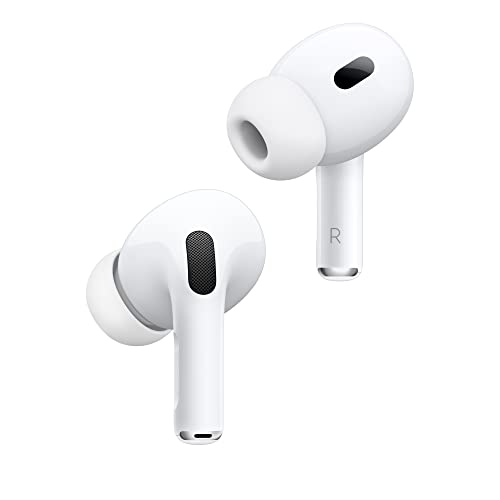
Apple AirPods Pro (2nd Generation)
A widely used earbuds and case pair where the case itself is rated for roughly a full day of extra charge on top of the earbuds’ own battery, making case specific drain easy to notice when it underperforms that rating.

Samsung Galaxy Buds2 Pro
Another high volume pair where the charging case uses the same sealed, contact based charging approach, so the same dust and lid open issues apply.
Questions worth asking
How long should a fully charged earbuds case last before needing a recharge itself?
This varies by model, but most true wireless earbuds cases are rated for somewhere between three and six additional full charges of the earbuds before the case itself needs to be plugged in again.
Why does a brand new earbuds case seem to drain faster than an older model from a different brand?
Case capacity and standby power draw vary by design, so a smaller or thinner case from one brand may simply hold a smaller reserve battery than a bulkier case from another, independent of age.
Can dust in the charging port really cause a measurable battery drain?
Yes, because a poor connection from dust buildup means the case keeps retrying incomplete charge cycles instead of settling into idle, and those repeated attempts draw more power than a single clean, successful charge.
Does leaving earbuds docked in the case all the time shorten the case’s own battery life?
Keeping earbuds docked is generally fine and is what the case is designed for, though leaving the whole setup on a wireless charging pad for extended unnecessary periods can add some additional heat related wear over time.
Is it normal for the case to feel slightly warm while charging?
A small amount of warmth during active charging is normal, but a case that feels hot to the touch while idle and not charging anything is worth paying attention to.
Does Bluetooth standby drain the case even when the earbuds are removed and in use elsewhere?
An empty case still periodically checks for the earbuds and maintains its own background processes, so yes, some drain continues even without earbuds sitting inside it.
Will a firmware update fix abnormal case battery drain?
Sometimes. Manufacturers occasionally release firmware updates that correct inefficient background behavior, so checking for a pending update is a reasonable early step before assuming hardware failure.
Should the case LED indicator be a concern for battery drain?
The LED itself draws very little power, but in some models an LED that stays lit constantly rather than briefly can indicate the case is not fully entering its intended low power state.
How many charge cycles does a typical earbuds case battery survive before it noticeably degrades?
Most small lithium-ion cells used in earbuds cases start showing noticeable capacity loss somewhere in the 300 to 500 full cycle range, which for daily use often lines up with one to two years of ownership.
Does cold weather affect how long a case holds its charge?
Yes, cold temperatures temporarily reduce how much usable capacity a lithium-ion battery can deliver, though most of that apparent loss returns once the case warms back up to room temperature.
Can a wireless charging pad be harder on case battery health than a USB-C cable?
Wireless charging generates more heat during the transfer than a direct cable connection, and sustained heat is one of the bigger long term stressors on lithium-ion battery health.
Is it possible to replace the battery inside an earbuds case, or is the case disposable at that point?
Most consumer earbuds cases are sealed and not designed for battery replacement by the owner, so once the internal cell has degraded significantly, replacing the whole case or earbuds set is usually the practical option.
Does keeping the case plugged into power constantly damage the battery over time?
Most modern cases include charge management circuitry that stops pulling power once full, so occasional constant plugging in is not a major concern, though it is still good practice to unplug once charging is clearly finished.
Why do some cheaper generic earbuds cases drain noticeably faster than branded ones?
Budget cases sometimes use lower quality battery cells or less efficient standby circuitry to cut cost, which can result in both a smaller effective capacity and a higher background drain rate.
Can a cracked hinge or loose lid cause ongoing battery drain?
Yes, a lid that does not seal fully can prevent the earbuds from charging properly and can also let the case’s sensors stay more active than intended, both of which increase drain.
Is there a way to check exactly how much charge the case itself has left, separate from the earbuds?
Many companion apps show case battery percentage separately from earbud battery percentage, and on some models a quick press of an external button triggers an LED color code showing the case’s own level.
Does turning off find my earbuds style location features reduce case drain?
Any feature that keeps a Bluetooth radio actively broadcasting for location tracking does add some background draw, so disabling it when not needed can offer a small improvement.
Where this leaves you
A case that drains faster than it used to is almost never a single mechanical failure. It is some combination of normal battery aging, a lid that does not seal as tightly as it once did, and contacts that have not been cleaned in a while. Address those three before assuming the case needs replacing.
Marcus Chen
Marcus covered consumer electronics for enthusiast tech publications for six years before joining ChoiceCrest. He specializes in translating manufacturer spec sheets into plain-language buying advice, with a focus on audio, computing accessories and smart-home gear.