7 Cameras That Keep Up With Fast Soccer Action
Sony Alpha 9 III leads for soccer with a global shutter, 120 frame per second bursts and tenacious tracking through crowded play. Canon EOS R6 Mark II is the value pick at 40 frames per second, and Sony Alpha a6700 brings sports tracking to a crop sensor budget.
Sony Alpha 9 III stands out for freezing soccer action, Canon EOS R6 Mark II delivers the best value at high speed, and Sony Alpha a6700 brings serious sports tracking to a crop sensor budget.
Players sprint, change direction and cluster together, often photographed from a distance and sometimes under dim floodlights, which makes soccer one of the hardest subjects to shoot. Burst speed for the decisive contact with the ball and tracking autofocus that locks onto a chosen player matter above nearly everything else. We compared burst rates, buffer depth, tracking behavior and low light ability to rank these seven.
What we recommend

Sony Alpha 9 III
A global shutter reads the entire frame at once, so a struck ball or a sprinting player shows no rolling shutter distortion. Sustained 120 frame per second bursts with full tracking mean the exact instant of contact almost always lands among the frames. Subject tracking holds a chosen player through crowded midfield scrambles, making this the most complete sports body on the list.
Pros
- No rolling shutter distortion on fast motion
- Extreme burst captures the decisive moment
- Tenacious tracking in crowded play
Cons
- Very high price
- Huge burst volumes need fast storage

Canon EOS R6 Mark II
Most of what a sports shooter needs arrives at a far more reachable price, with 40 frame per second electronic bursts and excellent human tracking. A 24 megapixel sensor keeps files manageable while performing strongly under floodlights for evening fixtures. This is the sensible choice for a keen amateur photographing weekend soccer without a professional budget.
Pros
- Fast burst at a fair price
- Strong low light for evening games
- Reliable player tracking
Cons
- Lower resolution limits heavy cropping
- Buffer fills on very long bursts
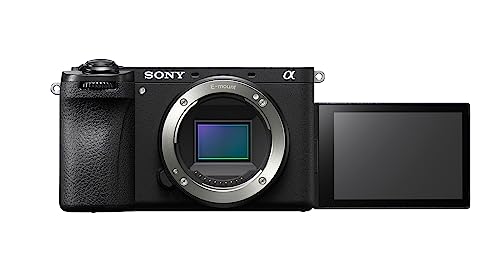
Sony Alpha a6700
Sony’s AI tracking reaches an affordable crop body here, and the APS-C sensor multiplies touchline reach so a moderate telephoto fills the frame from the sideline. Human recognition holds a running player well, and the compact size makes it easy to carry to a match. Floodlit performance trails the full frame bodies, but daytime soccer on a budget looks excellent through this sensor.
Pros
- Crop sensor adds reach from the touchline
- Capable AI player tracking
- Compact and affordable
Cons
- Slower burst than the full frame bodies
- Weaker low light for night matches

Nikon Z8
A 45 megapixel stacked sensor blends fast readout with a deep buffer, delivering both sports speed and enough resolution to crop tightly into a distant goalmouth. Subject detection tracks players reliably, and pre capture buffering records frames before the shutter is fully pressed, rescuing the moment a shot is struck. Extra weight and cost come with a body that also doubles as a serious all round camera.
Pros
- High resolution allows tight cropping
- Pre capture buffer catches the strike
- Deep buffer for sustained action
Cons
- Large files demand fast storage
- Heavier than the value bodies

Canon EOS R7
Speed and reach both arrive for budget minded soccer shooters, with 30 frame per second bursts and an APS-C sensor that stretches the effective range of an affordable telephoto. Human tracking keeps a running player in focus, and the compact body handles easily for a full match. Low light under floodlights is the main compromise against full frame options, though daytime reach per dollar stays strong.
Pros
- Crop sensor stretches telephoto reach
- Fast burst for the price
- Compact for a full match
Cons
- Weaker low light than full frame
- Buffer fills faster on long runs

Nikon Z9
An integrated grip and outstanding battery life suit photographers shooting full tournament days, backed by a rugged sealed body that keeps going through weather and long fixtures. A 45 megapixel stacked sensor and deep buffer hold pace with relentless action, and subject detection tracks players tenaciously. Size and weight are the trade for endurance and dependability across a long day at the pitch.
Pros
- Exceptional battery life for long days
- Very rugged sealed construction
- Deep buffer for sustained bursts
Cons
- Large and heavy with the integrated grip
- Expensive for casual use
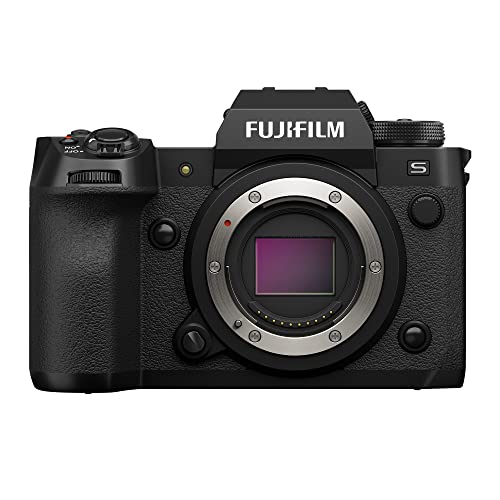
Fujifilm X-H2S
A stacked APS-C sensor sits inside a substantial sports oriented body, delivering 40 frames per second with low rolling shutter and a deep buffer. Subject detection tracks players well, and the crop sensor adds reach from the sideline. A robust grip and solid weather sealing suit demanding conditions, making this a strong crop alternative to the full frame speed bodies at a lower price.
Pros
- Fast burst with low rolling shutter
- Crop sensor adds touchline reach
- Robust grip and weather sealing
Cons
- Weaker low light than full frame
- Battery drains quickly at high frame rates
How they compare
| # | Model | Sensor | Best for | Score | Price |
|---|---|---|---|---|---|
| 1 | Sony Alpha 9 III | 24 megapixel global shutter full frame | Best overall | 9.5 | Check price |
| 2 | Canon EOS R6 Mark II | 24 megapixel full frame | Best value | 9.2 | Check price |
| 3 | Sony Alpha a6700 | 26 megapixel APS-C | Best value crop sensor | 8.9 | Check price |
| 4 | Nikon Z8 | 45 megapixel stacked full frame | Best for resolution and speed | 9.3 | Check price |
| 5 | Canon EOS R7 | 33 megapixel APS-C | Best budget reach | 8.7 | Check price |
| 6 | Nikon Z9 | 45 megapixel stacked full frame | Best professional workhorse | 9.1 | Check price |
| 7 | Fujifilm X-H2S | 26 megapixel stacked APS-C | Best crop sensor for burst | 8.8 | Check price |
How to pick the right one
How much burst speed does soccer actually need? A foot meeting the ball or a header connecting lasts a fraction of a second, so a faster burst rate gives more frames to find the one that tells the story. Rates from 20 frames per second upward make a real difference in soccer. Pair a high frame rate with a deep buffer so the camera never stalls mid passage of play.
Full frame or crop sensor for touchline distance? From the sideline the action often sits far away, so reach matters as much as speed. Crop sensor bodies multiply the range of an affordable telephoto, while full frame needs longer glass to fill the frame from the same spot. Evening and floodlit matches also demand good high ISO performance, where full frame sensors pull ahead of crop bodies.
Why tracking autofocus separates sharp frames from missed ones Players sprint, cut and cluster together, so autofocus has to recognize a person and hold onto a chosen player through a crowded box. Human detection modes have made this far more reliable in recent generations. How tenaciously a camera holds a moving subject outweighs almost every other specification for this sport.
What rolling shutter and stacked sensors change on the pitch Conventional sensors can bend fast motion, skewing a struck ball or a quick pan. Stacked and global shutter sensors read out far faster, keeping shapes true even at high frame rates and removing viewfinder blackout during bursts. For fast, unpredictable sport this is a genuine edge that helps a shooter stay with the play.
Common questions
How much burst speed do I need for soccer?
Around 20 frames per second and up gives a strong chance of catching the exact contact with the ball. Higher rates help further but fill cards quickly, so balance speed against buffer depth and storage.
Is a crop sensor good for soccer?
Yes, especially on a budget, since it stretches the reach of an affordable telephoto so a photographer can fill the frame from the touchline. The trade is weaker performance under floodlights compared with full frame.
What lens should I use for soccer?
A telephoto zoom around 70 to 200mm suits smaller pitches, while a 100 to 400mm reaches across a full sized field. A shorter lens on a crop body already behaves like something considerably longer.
Can these cameras handle night matches?
Full frame bodies like the R6 Mark II and a9 III excel under floodlights thanks to cleaner high ISO. Crop bodies still work but benefit from a fast lens to keep shutter speeds high in dimmer light.
How important is tracking autofocus for sports photography?
It is critical. A camera that recognizes and holds a running player automatically produces far more sharp frames than one where focus is chased manually across a fast moving pitch.
Does rolling shutter matter for soccer photography?
It can bend a struck ball or skew a fast pan on conventional sensors. Stacked and global shutter bodies remove this distortion, which is why they get favored for the fastest action.
Do I need pre capture buffering for soccer?
It is a valuable feature for sport, recording frames from just before the shutter is fully pressed so the strike is rarely missed. It complements good tracking rather than replacing it.
Which camera is best value for weekend soccer?
The Canon EOS R6 Mark II offers fast burst and strong low light at a fair price, while the Sony Alpha a6700 and Canon EOS R7 bring sports tracking and reach on a tighter crop sensor budget.
Sony Alpha 9 III vs Nikon Z8, which suits soccer better?
The Sony Alpha 9 III wins on pure speed with a global shutter and 120 frame per second bursts, ideal for the fastest action. The Nikon Z8 trades some top end speed for a 45 megapixel sensor, useful when tight cropping matters as much as timing.
What is the best camera for soccer on a tight budget?
The Canon EOS R7 pairs a fast 30 frame per second burst with APS-C reach at a price below the full frame options, making it the strongest budget pick for touchline shooting.
Our take
Sony Alpha 9 III is the most capable soccer camera here, combining a global shutter that renders fast motion without distortion, a 120 frame per second burst and tracking that holds a player through crowded play. Canon EOS R6 Mark II is the value pick with fast bursts and strong floodlight performance, while Sony Alpha a6700 and Canon EOS R7 bring sports tracking and extra touchline reach to a crop sensor budget. Photographers needing both speed and cropping room should look at the high resolution Nikon Z8.
Marcus Chen
Marcus covered consumer electronics for enthusiast tech publications for six years before joining ChoiceCrest. He specializes in translating manufacturer spec sheets into plain-language buying advice, with a focus on audio, computing accessories and smart-home gear.


