Is a Sous Vide Machine Worth It for Everyday Home Cooking?
Sous vide is worth it for people who cook proteins often and want consistently precise results, since it removes the guesswork of hitting an exact internal temperature, but it is less practical for quick weeknight meals because the total process takes longer start to finish than a pan or oven, even though the active hands-on time is lower. Whether it earns counter space depends more on how often you cook steak, chicken, or eggs than on a skill ceiling it solves.
What sous vide actually solves
A water bath held at a precise, constant temperature cooks food evenly from edge to center, eliminating the gradient a pan or oven always produces between a hot surface and a cooler middle. This is what makes sous vide steak consistently medium-rare throughout rather than medium near the crust and rare in the center.
Why total time is longer even though hands-on time is lower
A water bath needs to preheat before cooking starts, and the cook itself often runs one to two hours for a steak or chicken breast and considerably longer for tougher cuts, compared to ten or fifteen minutes of active pan or oven time. The appliance trades active attention for total elapsed time, which matters for anyone trying to get dinner on the table quickly.
The extra step most people underestimate: the finishing sear
A sous vide bath never gets hot enough to brown food through the Maillard reaction, so meat still needs a quick, hot sear in a pan or with a torch afterward to build any crust or browned flavor. That extra pan and extra step is easy to forget when weighing how much simpler sous vide seems on paper.
Where sous vide shines compared to other methods
Cooking several steaks to the exact same doneness at once for a group, holding finished food at a safe serving temperature for an extended window without overcooking it, and reheating leftover proteins gently without drying them out are all situations where sous vide genuinely outperforms other common methods.
Where it does not help much
Thin cuts, ground meat, and other proteins that are already easy to cook accurately with a thermometer see little benefit from the technique, and vegetables generally cook just as well, and faster, with roasting or steaming instead of a water bath.
Real learning curve and gear needed
Beyond the immersion circulator itself, sous vide needs a suitable container, bags or reusable silicone pouches, and at least a basic understanding of time and temperature combinations for food safety, particularly for longer, lower-temperature cooks where pasteurization depends on sustained time at temperature rather than peak heat alone.

Anova Culinary Precision Cooker Nano
A compact immersion circulator that clips onto any sufficiently deep pot, representing the more affordable entry point into sous vide.
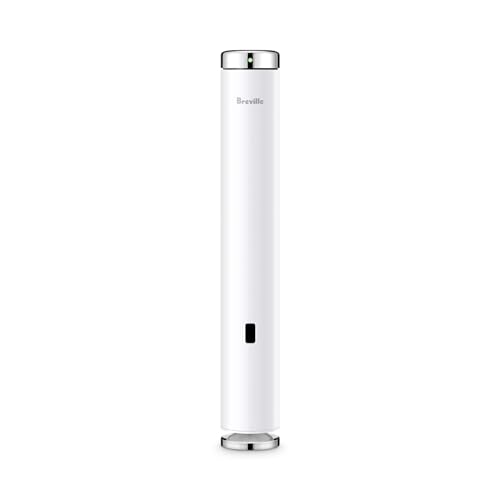
Breville Joule Sous Vide
An app-controlled immersion circulator designed to be smaller and faster-heating than earlier models, aimed at frequent home cooks.
Common questions
Does sous vide really make that much difference compared to just using a meat thermometer in a pan?
The biggest difference is consistency across the whole piece of food rather than just the final internal temperature, since sous vide holds every part of the food at the target temperature for the full cook, while pan cooking always has a gradient from the hot surface to the center.
Why does sous vide steak still need to be seared afterward?
The water bath never gets hot enough to brown the surface through the Maillard reaction, so a quick high-heat sear in a pan or with a torch afterward is what creates the crust, texture, and browned flavor people expect from a cooked steak.
Is sous vide actually faster than regular cooking for a weeknight dinner?
Usually not in total elapsed time, since even a quick cut like chicken breast needs close to an hour in the bath plus a sear afterward, though the hands-off nature means you are not standing at the stove for most of that time.
Can you sous vide frozen meat directly without thawing it first?
Yes, sous vide can safely cook from frozen since the gradual, even heating actually works well for this, though it typically adds extra time to the bath compared to starting from a thawed or room temperature piece.
Is sous vide safe for food safety given the lower cooking temperatures involved?
Yes, when the correct time and temperature combination for that specific food and thickness is followed, since pasteurization happens through a combination of temperature and sustained time rather than temperature alone, and established charts exist for safe combinations.
Does sous vide work well for vegetables, or mainly for meat?
It works for vegetables too, particularly for consistent texture in things like carrots or asparagus, though many home cooks find roasting or steaming vegetables achieves a similarly good result with less equipment and planning.
What happens if you leave meat in the sous vide bath longer than the recommended time?
Within a reasonable window, usually an extra hour or two depending on the cut, the meat generally holds its texture well since it cannot overcook past the water’s set temperature, though extremely extended times can eventually break down texture to an overly soft, mushy result.
Do you need special vacuum-sealed bags for sous vide, or will a zip-top bag work?
A good quality zip-top freezer bag with most of the air pressed out using the water displacement method works for most home sous vide cooking, and a dedicated vacuum sealer is a nice-to-have rather than a strict requirement.
Why does restaurant sous vide meat sometimes taste different from home attempts?
Restaurants often use the technique as one step in a longer process that includes a more aggressive finishing sear, compound butters, or sauces built separately, so the overall dish benefits from more total technique than the water bath step alone provides.
Can sous vide help with meal prepping multiple proteins ahead of time?
Yes, this is one of its strongest practical uses, since cooked sous vide proteins can be chilled in their sealed bags and reheated gently in a water bath later without drying out the way reheating in a microwave or oven often does.
Is an immersion circulator better than an all-in-one sous vide machine with a built-in container?
An immersion circulator clipped to your own pot is more flexible on batch size and storage, while an all-in-one unit is more convenient for people who will use roughly the same size batch every time and prefer not to find their own container.
Does sous vide actually save money over time compared to other cooking methods?
Not typically on energy costs, since a long slow water bath uses a comparable or sometimes greater amount of energy than a shorter oven or stovetop session, so any savings would come from reduced food waste through fewer overcooked meals rather than lower utility use.
Why do eggs cooked sous vide come out with such a distinct, custardy texture?
Egg proteins set at very specific, relatively low temperatures, and holding an egg at a precise temperature just above that threshold for an extended time produces a uniquely smooth, custard-like texture that is hard to replicate by eye on a stovetop.
Is it worth buying sous vide equipment if you only cook meat occasionally?
Probably not as a priority purchase, since the main benefit is consistency built up over repeated use, and occasional cooks often get adequate results from careful pan or oven cooking with a meat thermometer.
Can sous vide replace a slow cooker for things like pulled pork or short ribs?
It can achieve a comparable tender result at a controlled temperature, often in a similar total time window to slow cooking, though it requires bagging the meat and generally costs more in equipment than a basic slow cooker.
Where this leaves you
Sous vide earns its place for people who regularly cook proteins and care about nailing the exact same doneness every time, especially when cooking for a group. For someone who cooks simply a few nights a week, the extra bagging, bath time, and mandatory finishing sear often outweigh the consistency gain.
Dana Whitfield
Dana spent eight years buying and merchandising for a regional kitchenware retailer before moving into editorial work. She has handled thousands of SKUs across cookware, small appliances and kitchen organization, and focuses on the practical differences that matter once a product is actually in daily use.