Is a Mechanical Keyboard Really Louder Than a Membrane Keyboard?
Yes, in most cases a mechanical keyboard is louder than a membrane keyboard, but the gap depends heavily on switch type. Clicky mechanical switches like Cherry MX Blue are the loudest keyboards most people will ever type on, while linear mechanical switches like Cherry MX Red are much closer to membrane keyboard volume, especially once lubricated or fitted with dampening rings.
Why mechanical switches make more noise in general
Each mechanical switch is an individual spring loaded mechanism with a plastic housing, and both the downstroke and the upstroke can produce sound as the stem travels and the spring resets. A membrane keyboard instead relies on a rubber dome collapsing onto a circuit sheet, which absorbs much of that impact energy as cushioning rather than letting it resonate through a hard plastic housing.
Clicky switches are a different category of loud
Switches like Cherry MX Blue or Kailh Box White add a secondary plastic leaf or click jacket specifically designed to produce an audible click on the way down, separate from the bottom out sound. This is a deliberate design choice for typing feedback, not a side effect, which is why clicky switches are consistently the loudest option in side by side comparisons.
Linear switches close most of the gap
Linear switches such as Cherry MX Red or Gateron Yellow have no click mechanism and a smoother stem travel, so most of their sound comes only from bottoming out against the keyboard plate. With stock parts they are still generally louder than a membrane keyboard, but the difference is far smaller than with clicky switches.
The keyboard case and plate matter as much as the switch
A hollow plastic case with no internal dampening can amplify switch sound through resonance, while keyboards with foam inside the case, a metal plate, or a gasket mount design absorb vibration before it reaches the table. Two keyboards with identical switches can sound noticeably different based on this alone.
Modifications can bring mechanical keyboards close to membrane level quiet
Lubricating the switches, adding dampening O-rings to limit keystroke travel, or switching to silent linear or silent tactile switches with internal dampening pads can reduce mechanical keyboard noise dramatically. A well modified mechanical board with silent switches can end up quieter in the bottom out sound than some membrane keyboards, though it will not perfectly match the dull thud of rubber dome collapse.
Membrane keyboards are not silent either
The main noise from a membrane keyboard comes from the keycap bottoming out against the plastic base beneath it, since the rubber dome itself is nearly silent. Cheap membrane keyboards with thin plastic bases can actually be louder than expected for this reason, even though they lack any switch mechanism.
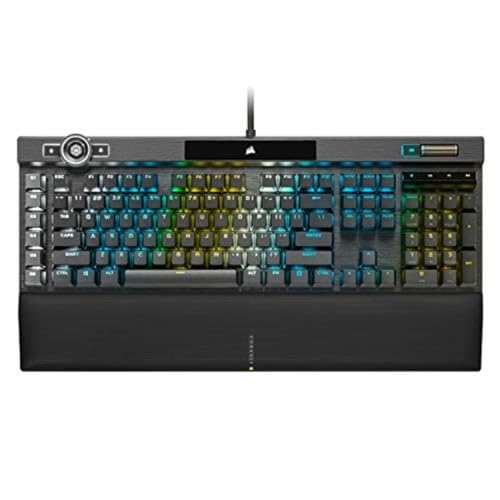
Corsair K70 RGB Pro with Cherry MX Red switches
A linear switch mechanical keyboard that is noticeably quieter than clicky switch boards while still offering the tactile feel typists use mechanical keyboards for.

Logitech MK270 Wireless Keyboard and Mouse Combo
A standard membrane keyboard commonly used as the baseline comparison for office noise level.
Common questions
Which mechanical switch type is the quietest to type on?
Silent linear switches, such as Cherry MX Silent Red or similar dampened linear designs, are generally the quietest mechanical option since they add internal rubber dampening on top of already having no click mechanism.
Can you make a loud mechanical keyboard quieter without buying a new one?
Yes, lubing the switches and stabilizers, adding dampening O-rings, and placing a thick desk mat underneath the keyboard can all reduce perceived noise meaningfully without replacing the board.
Do O-rings actually reduce keyboard noise, or is that just a placebo?
O-rings genuinely reduce bottom out noise by shortening keystroke travel slightly and cushioning the impact, though they also change the typing feel, which not everyone prefers.
Why do some membrane keyboards still sound loud despite having no clicky switches?
The sound usually comes from the keycap hitting a thin plastic base rather than from any switch mechanism, so a membrane board with a flimsy case can still sound surprisingly loud.
Is a tactile switch louder than a linear switch?
Tactile switches without a click mechanism, like Cherry MX Brown, sit close to linear switches in volume, since the tactile bump itself is a feel feature rather than a sound generating one.
Does keyboard case material affect how loud typing sounds?
Yes, a solid or dampened case absorbs vibration, while a thin hollow plastic case can resonate and amplify the same switch noise, sometimes by a noticeable amount.
Will lubing mechanical switches void a warranty?
Opening switches to lube them typically does void manufacturer warranty coverage on many keyboards, so it is worth checking the specific policy before modifying a brand new board.
Are silent mechanical switches actually silent, or just quieter?
They are quieter, not silent. They still produce some sound on bottom out, just meaningfully less than standard linear or tactile switches due to internal dampening pads.
Why do laptop keyboards sound different from desktop mechanical keyboards?
Laptop keyboards use low profile scissor switches with a very short travel distance, which produces a much softer sound than full travel mechanical switches regardless of switch category.
Does typing speed or force affect how loud a keyboard sounds?
Yes, typing harder and bottoming out keys forcefully increases volume regardless of switch type, which is why two people on the identical keyboard can sound noticeably different.
Can foam inside a keyboard case meaningfully reduce bottom out noise?
Yes, case foam dampens the hollow resonance that otherwise amplifies switch sound, and it is one of the more effective low cost modifications for reducing overall volume.
Is a 60 percent mechanical keyboard quieter than a full size one?
Not inherently from switches alone, but smaller boards sometimes use a more rigid, denser case design that resonates less, which can make them subjectively quieter.
Do office friendly mechanical keyboards exist, or is that a contradiction?
They exist, usually built around linear or silent switches with internal dampening and a solid case, specifically marketed for shared workspace use.
How much does keycap material affect the sound of a keystroke?
Keycap material changes the pitch and character of the sound more than the overall volume, with denser materials like PBT often producing a slightly deeper, less clacky tone than thin ABS.
Is it true that older mechanical switches are louder than modern ones?
Switch design has generally trended toward more dampening options over time, so newer silent and dampened switch lines tend to be quieter than older standard switches from the same era of keyboard.
Can you test how loud a keyboard is before buying it online?
Many keyboard reviewers post typing sound videos or sound test comparisons, which is a reasonable way to get a sense of relative volume before an in person test is possible.
Does a desk mat or mouse pad under the keyboard reduce the noise that reaches other people?
A dense desk mat can dampen some vibration transmitted through the desk surface, which helps reduce the perceived volume for people nearby, though it does not change the sound coming directly from the switches themselves.
Will switching from a clicky switch to a tactile switch make a noticeable difference in volume?
Yes, removing the dedicated click mechanism generally produces an audible drop in volume, even though tactile switches still bottom out with some sound.
Does keyboard volume differ much between full size and compact layouts using the same switches?
Switch volume itself stays about the same, though a compact board’s denser case construction can sometimes reduce resonance slightly compared to a larger, more hollow full size case.
Can hot swappable keyboards make it easier to test different switches for noise before committing?
Yes, hot swap sockets let you try several switch types in the same board without soldering, which is a practical way to compare noise levels firsthand before buying switches in bulk.
Final word
Mechanical keyboards are louder than membrane keyboards as a general rule, but that rule has a wide range inside it. A clicky mechanical board in an open office is a real problem; a lubed linear board with foam dampening is a much smaller one. If office noise matters, the switch type on the spec sheet tells you more than the word mechanical does on its own.
Marcus Chen
Marcus covered consumer electronics for enthusiast tech publications for six years before joining ChoiceCrest. He specializes in translating manufacturer spec sheets into plain-language buying advice, with a focus on audio, computing accessories and smart-home gear.
You might also need
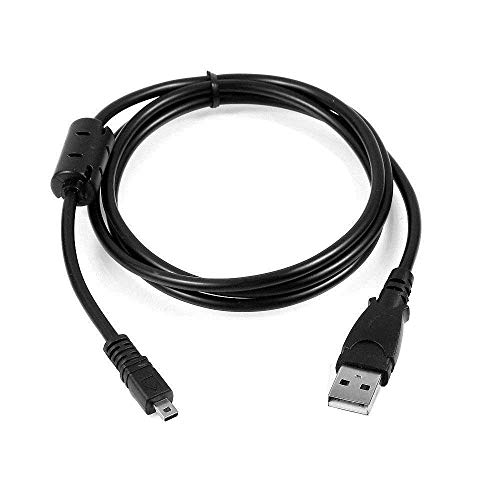
AlyKets Nikon UC-E6 Replacement USB Cable: Does a $7.95 Cord Work as Well as the Original?

Digiroot iPad Stylus Pencil: A $6.99 Apple Pencil Alternative Worth Trying?

Hicarer 360 Rotating Display Turntable: Good Enough for Product Photography?
