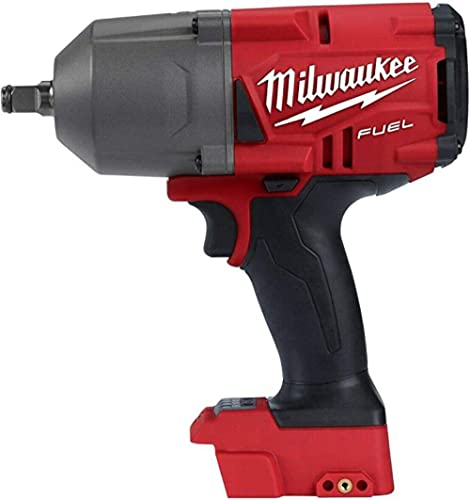
Is an Impact Driver Actually Different From a Regular Drill?
Yes, an impact driver and a drill are built for genuinely different jobs even though they look similar. An impact driver adds rapid rotational hammering blows on top of its spinning motion specifically to drive screws and fasteners with far more force than a drill alone can generate, while a drill is built for smooth, controlled rotation better suited to drilling precise holes and driving smaller screws where torque control matters more than raw driving power.
The mechanical difference that actually matters
Inside an impact driver, a spring-loaded hammer and anvil mechanism delivers rapid rotational impacts, thousands per minute, whenever the bit meets significant resistance, which is what produces that distinctive rattling sound and lets it drive long screws or stubborn fasteners that would stall a standard drill’s smooth, continuous rotation.
Why this makes impact drivers better for driving, not drilling
The hammering action is extremely effective at overcoming resistance in a fastener, like a long deck screw biting into dense wood, but that same rapid impact makes an impact driver poorly suited to precise hole drilling, since the hammering motion can cause bit wander and makes fine control, like stopping exactly at a specific depth, noticeably harder than with a drill’s smooth rotation.
Why drills remain better for most drilling and many screws
A drill’s clutch setting lets the user dial in exactly how much torque is applied before the chuck slips, which is valuable for driving screws into delicate material without stripping the screw head or sinking it too deep, and for drilling clean, precisely sized holes where bit control matters more than raw power.
Chuck type is a practical, visible difference too
Most drills use a keyless chuck that accepts round-shank bits of varying sizes, while most impact drivers use a quick-release hex chuck built specifically for hex-shank driver bits, which is part of why impact drivers are less commonly used for drilling with standard twist bits even when adapters exist.
Why impact drivers are often smaller and lighter despite being more powerful
Impact drivers typically transmit their force through brief, rapid impacts rather than sustained continuous torque, which allows a smaller, lighter tool body to achieve very high peak driving force compared to a drill of similar size, which is part of why many users find an impact driver less fatiguing for extended fastening work despite its higher torque rating.
When it genuinely makes sense to own both
Serious DIYers and anyone doing regular deck building, framing, or furniture assembly with a mix of large fasteners and precision holes generally benefit from owning both, using the impact driver for driving larger screws and lag bolts and the drill for drilling pilot holes and driving screws into delicate material where torque control matters.
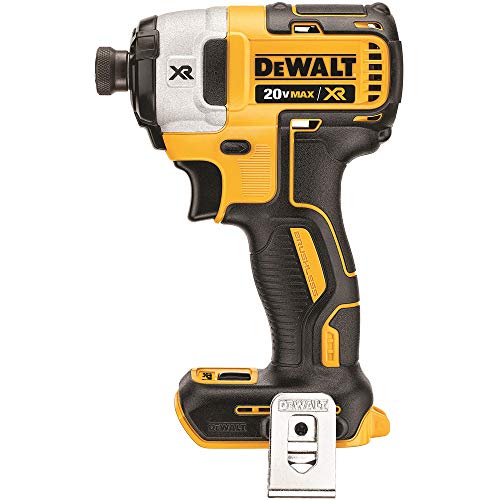
DEWALT DCF887 20V MAX XR Impact Driver
A brushless impact driver built on DEWALT’s 20V MAX platform, commonly bought specifically for driving long deck screws and lag bolts that would stall a standard drill.

Makita XDT131 Impact Driver
An 18V brushless impact driver often paired with a separate drill rather than used alone, reflecting how many buyers treat the two tools as complementary rather than interchangeable.
Good to know
Can an impact driver be used to drill regular holes?
It can with a hex-shank drill bit adapter, but the hammering action makes precise hole drilling, especially in metal or for exact depth control, noticeably harder than with a standard drill, so it is a workaround rather than the tool’s intended use.
Can a drill be used instead of an impact driver for deck screws?
A drill can drive shorter or smaller screws fine, but long deck screws into dense or treated lumber often stall a standard drill’s clutch well before they are fully seated, which is exactly the situation an impact driver is built to handle.
Why does an impact driver make that distinctive rattling or clicking sound?
That sound is the internal hammer and anvil mechanism delivering rapid rotational impacts whenever the bit meets resistance, which is the core mechanism that gives the tool its driving power.
Is an impact driver more powerful than a drill in every sense?
It delivers significantly more rotational driving force for overcoming resistance in a fastener, but a drill generally offers better speed and torque control for precision tasks, so more powerful depends on what specifically is being measured.
Do impact drivers strip screw heads more easily than drills?
They can, particularly on fasteners with a shallow or worn bit recess, since the rapid impacts combined with high torque make it easier to cam out of the screw head if the bit is not seated firmly and squarely before driving.
Can you use standard twist drill bits in an impact driver?
Only with a hex-shank adapter, since impact drivers use a quick-release hex chuck rather than the keyless round chuck found on most drills, which accepts standard twist bits directly.
Is it safe to use an impact driver on delicate materials like thin plywood?
It requires more care than a drill, since the sudden hammering torque can easily overdrive a screw into thin or soft material, whereas a drill’s adjustable clutch is specifically built to prevent that kind of overdriving.
Why do impact drivers often feel lighter than expected for their torque rating?
Impact drivers transmit force through brief rapid impacts rather than sustained continuous torque, which lets manufacturers build a smaller, lighter tool body that still achieves very high peak driving force.
Do I need both a drill and an impact driver, or is one enough for most people?
Casual users doing light household tasks can often get by with just a drill, while anyone doing regular construction, deck work, or furniture assembly with large fasteners benefits from having both, since each is genuinely better suited to different parts of the job.
Can an impact driver damage the fastener or material if used carelessly?
Yes, without a clutch to limit torque, an impact driver can overdrive screws, strip softer materials, or snap smaller fasteners if the trigger is held too long or too hard, especially on anything other than its intended heavy fastening use.
Does an impact driver work well for automotive lug nuts?
Many impact drivers can loosen or snug lug nuts, but they are not a substitute for a torque wrench when final tightening needs to hit a specific, measured torque value for safety reasons.
Why do some impact drivers have multiple speed or power settings?
Multiple settings let the user reduce impact force and speed for more delicate fasteners or materials, bringing some of a drill’s control benefits into situations where full impact force would otherwise be excessive.
Is an impact wrench the same thing as an impact driver?
No, an impact wrench is a related but distinct tool, generally larger, using a square drive for sockets rather than a hex chuck for screwdriver bits, and built mainly for automotive fastener work like lug nuts rather than general screw driving.
Can a drill’s clutch setting replicate what an impact driver does?
No, a clutch only limits how much torque the drill applies before the chuck slips, while an impact driver actively adds extra rotational force through hammering impacts, so the clutch setting controls a drill’s existing power rather than adding new driving force.
Does battery type or voltage matter differently for a drill versus an impact driver?
Both generally benefit from similar battery platforms and voltage considerations, though an impact driver’s brief, high-force impacts can draw sharp current spikes that make a higher amp-hour battery noticeably helpful for sustained heavy fastening work.
Our take
The two tools look alike but solve different problems: an impact driver’s hammering mechanism exists specifically to overcome resistance in fasteners, while a drill’s smooth, controllable rotation is built for precise holes and torque-sensitive screws. Most serious home improvement work eventually benefits from having both rather than asking one tool to do the other’s job.
Jake Monroe
Jake worked as a residential contractor for over a decade before shifting to full-time writing. He evaluates power tools, hand tools and workshop gear through the lens of someone who has actually used them on job sites, not just read the box.