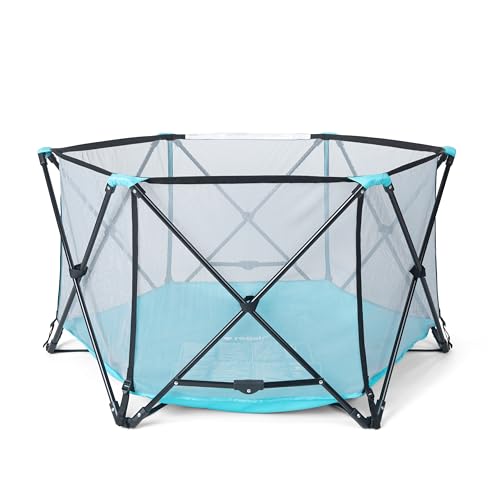
Is a Baby Bouncer Safe to Use for Daytime Naps?
No, pediatric safe sleep guidance does not consider a baby bouncer a safe place for naps or any unsupervised sleep. Bouncers position a baby in a reclined, somewhat curled posture rather than flat on their back, which safety organizations specifically flag as a risk for breathing restriction if a baby falls asleep in one unsupervised.
Why the reclined, curled position is the core concern
A bouncer’s seat angle positions a baby’s head forward and chin toward chest in a way that can partially restrict the airway if the baby slumps further while asleep, which is different from a flat crib mattress that keeps the airway open.
What the American Academy of Pediatrics and similar guidance actually says
Safe sleep recommendations consistently state that the only recommended place for a baby to sleep, including naps, is a flat, firm surface in a crib or bassinet meeting current safety standards, explicitly excluding bouncers, swings, and similar inclined or curved products for sleep.
Why bouncers are still useful, just not for sleep
Bouncers are designed and marketed for supervised awake time, soothing motion, or supervised play, which is a legitimate and different use case than being treated as a nap substitute.
What to do if a baby falls asleep in a bouncer anyway
Current guidance is to move a sleeping baby from a bouncer, swing, or similar product to a flat crib or bassinet as soon as reasonably possible rather than letting the nap continue there unsupervised.
How this differs from products actually marketed for sleep
Bassinets and cribs are specifically designed and safety tested for sleep with a flat surface, while bouncers are designed and tested for supervised awake activities. The two categories aren’t interchangeable despite a bouncer sometimes feeling like a convenient place for a drowsy baby.
Why some parents still use bouncers for naps despite the guidance
Convenience and a baby appearing to fall asleep easily there are common practical reasons parents use bouncers this way anyway, but that common practice doesn’t change what current safe sleep guidance actually recommends.

Fisher-Price Infant-to-Toddler Rocker
A common baby bouncer and rocker marketed for supervised soothing and awake time, not sleep.
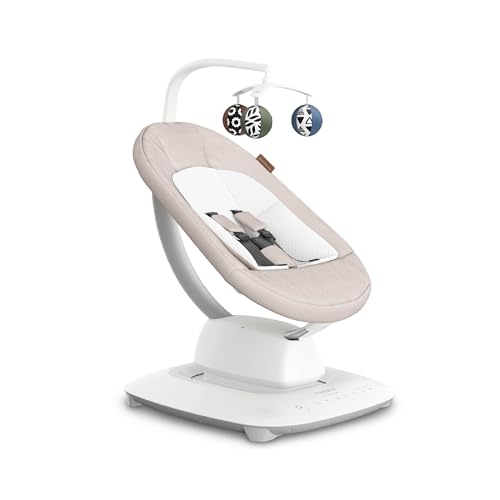
4moms mamaRoo Baby Swing
A motion based baby seat in the same general category, also marketed for supervised soothing rather than sleep.
Questions worth asking
Why exactly is a bouncer considered unsafe for a baby to sleep in?
The reclined, curled seating position can allow a baby’s chin to fall toward their chest during sleep, which safety guidance flags as a potential airway restriction risk compared to flat crib sleep.
Is it okay for a baby to nap in a bouncer for just a few minutes while supervised?
Supervised brief dozing while you’re actively watching is different from leaving a baby to sleep unsupervised, but official guidance still recommends moving a sleeping baby to a proper flat sleep surface as soon as possible.
Do all baby bouncers carry the same sleep safety warning?
Most baby bouncers sold today include a manufacturer warning against using the product for sleep, reflecting the same safe sleep guidance pediatric organizations recommend.
Why do babies seem to fall asleep in bouncers anyway if they aren’t safe for sleep?
Babies can fall asleep in many reclined positions since infants don’t choose sleep locations based on safety guidance, which is exactly why supervision and prompt transfer to a crib matters.
Is a baby swing the same safety concern as a bouncer for sleep?
Yes, baby swings share a similar reclined seating concern and are included in the same category of products not recommended for unsupervised infant sleep.
What’s the difference between a bassinet and a bouncer in terms of sleep safety?
A bassinet is specifically designed, tested and marketed as a sleep product with a flat surface, while a bouncer is designed for supervised awake soothing, not sleep, which is the key distinction behind the differing safety guidance.
Can a baby safely nap in a car seat instead of a crib?
Similar concerns apply to car seats used outside of actual travel, reclined seating positions are generally discouraged for routine unsupervised sleep outside of their intended use case.
Do newer baby bouncers have any design changes aimed at sleep safety?
Some manufacturers have adjusted recline angles or added explicit sleep warnings in response to safety guidance and incident reports, though the fundamental seated recline design itself hasn’t changed enough to make bouncers a recommended sleep product.
Is it the motion of a bouncer or the seating angle that’s the main safety concern?
The seating angle and resulting head position is generally considered the primary concern, rather than the gentle bouncing or rocking motion itself.
What should parents do if their baby only naps well in a bouncer?
Working toward crib or bassinet naps with a consistent routine is generally recommended, and if a baby does fall asleep in a bouncer, moving them to a flat sleep surface promptly is the safer practice.
Are there any baby bouncers actually certified safe for sleep?
Bouncers as a product category aren’t certified or marketed as sleep products, products meeting that standard are categorized and sold specifically as bassinets or cribs instead.
Does the risk apply the same way to older infants who can hold their head up well?
The specific airway positioning concern is generally considered most relevant to younger infants with less head and neck control, though official guidance still doesn’t recommend bouncers for sleep across the board regardless of age within infancy.
Can a baby bouncer be used safely for supervised tummy time or play instead of sleep?
Yes, that kind of supervised awake use is exactly what bouncers are designed and marketed for, which is a very different safety context than unsupervised sleep.
Why do some parents feel confused about bouncer safety warnings if the product is sold as a baby item?
The confusion often comes from a bouncer being marketed for soothing and comfort, which can blur the line with sleep in a parent’s mind even though the manufacturer’s own warnings and safety guidance specifically separate the two uses.
Can a baby bouncer be used safely in a moving car as a seat?
No, bouncers aren’t designed, tested or approved as car seats and shouldn’t be used as a substitute for a properly installed, crash tested car seat during travel.
Does the recline angle vary between different baby bouncer models?
Yes, recline angle varies by brand and model, with some marketed as more upright for feeding or play and others more reclined for soothing, though none are intended or tested as sleep products.
Can a bouncer’s safety harness prevent the sleep related airway concern?
No, a harness keeps a baby secured in the seat but doesn’t change the reclined, curled body position itself, which is the actual concern behind the sleep guidance.
Is it common for daycare or childcare settings to use bouncers for naps?
Licensed childcare settings generally follow the same safe sleep guidance recommending flat crib or bassinet surfaces for naps, rather than using bouncers or swings for sleep.
Does a baby outgrow the sleep safety concern with a bouncer at some specific age?
There’s no specific age where a bouncer becomes an approved sleep product, the device itself remains designed for supervised awake use throughout its intended age and weight range.
Can parents use a bouncer for naps if they stay in the room the entire time?
Active supervision reduces some risk, but official guidance still recommends moving a sleeping baby to a proper flat sleep surface rather than treating supervised bouncer time as an intended nap routine.
Why do bouncers often include a note in the manual specifically about sleep risk?
Manufacturers include explicit sleep warnings in response to established safe sleep guidance and documented incident data, which is a standard practice across the baby gear industry for these reclined products.
The bottom line
A bouncer earning its place in the nursery for awake, supervised time doesn’t make it a safe substitute for a crib, and the two shouldn’t be treated as interchangeable just because a drowsy baby seems comfortable in one. If sleep starts happening in the bouncer, the safer move is moving the baby to a flat surface, not letting it become the regular nap spot.
Rachel Simmons
Rachel previously worked in child-product retail and brings a practical, detail-first eye to gear reviews, focusing on safety standards, ease of use and the fine print that matters most for new caregivers.