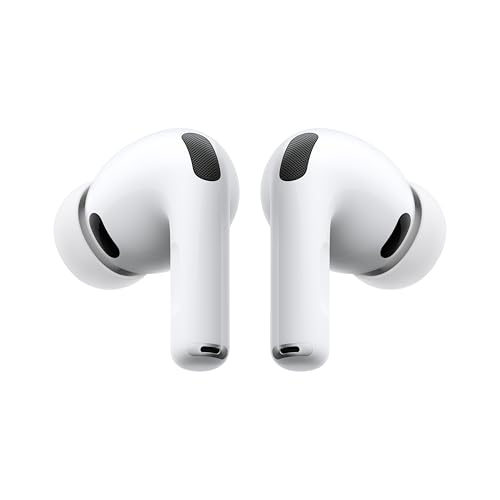
Wireless Earbuds Buying Guide: Fit, Battery and Sound
To choose wireless earbuds, get the fit right first, since comfort and a tight seal decide both sound and how much noise they block. Then weigh battery life, call quality, and whether you truly need active noise cancellation. Buy for how you actually listen, not for the longest spec sheet.
Shopping for wireless earbuds can feel harder than it should. Every model promises rich bass, all day battery, and studio sound, so the marketing starts to blur together. The truth is that a handful of decisions shape your daily experience far more than the flashy numbers on the box.
This guide walks through those decisions in order of how much they matter, so you can spend on the things you will notice and skip the ones you will forget by the end of the first week. If you would rather jump straight to specific models, see our roundup of the best wireless earbuds.
Fit comes before everything else
Fit is the single most important factor, and it is the one buyers overlook most. A pair that does not seal well in your ear will sound thin, leak bass, block far less noise, and fall out during a jog. No amount of tuning fixes a poor seal.
Most in ear models ship with three or four sizes of silicone tips, so try each size and pick the one that feels secure without pressure. If music sounds weak, a bigger tip that seals fully often transforms it. Foam tips can help people with narrow ear canals, and open or hook designs suit anyone who dislikes the plugged feeling of a tight seal.
- You want a seal that stays put when you shake your head, not one you constantly push back in.
- Comfort over an hour matters more than the first thirty seconds, so judge fit after a long listen.
- For workouts, look for a wing or fin that anchors the bud, or an ear hook design.
How much sound quality you really need
Sound is personal, and honestly most current earbuds sound good enough for casual listening. The gap between a midrange pair and a premium pair is real but smaller than the price gap suggests, especially over the din of a commute or a gym.
If you mostly listen to podcasts and playlists on the go, a balanced, clear pair is plenty. If you are picky about detail and sit somewhere quiet, it is worth reading owner feedback about how a model handles bass and vocals. Do not assume the most expensive pair sounds best for your ears, since tuning is a matter of taste as much as quality.
Battery life and the charging case
There are two numbers to check. The first is how long the buds last on a single charge, and the second is how many extra charges the case holds. Together they decide how often you think about power at all.
Most buds run four to eight hours on their own, with the case topping them up several times over. If you take long flights or forget to charge things, favor longer bud life and a case with quick charge, where a short stint in the case buys an hour or more of play. Battery also fades with age, so gentle habits matter, which we cover in how to make wireless earbuds last longer.
Noise cancellation and transparency
Active noise cancellation, often shortened to ANC, uses microphones to cancel steady background sound like engines and fans. It is genuinely useful on planes, trains, and busy offices. It does less against sudden sharp sounds like voices, and it adds to the price.
Be honest about where you listen. If you commute or work in noise, ANC earns its keep. If you mostly listen at home or on quiet streets, a pair that seals well already blocks plenty, and you can save the money. Look for a transparency or ambient mode too, which lets outside sound in so you can hear traffic or a checkout worker without pulling a bud out.
Controls, calls, and connection
Day to day, the small stuff decides whether you enjoy a pair. Controls come as taps, swipes, or physical buttons. Buttons are the most reliable but press the bud into your ear, while touch controls are easy to trigger by accident. Check that the actions you use most, such as play, skip, and volume, are actually available.
Call quality varies a lot and rarely matches the marketing. If you take a lot of calls, prioritize models that owners praise for clear voice pickup in wind and background noise. Also check for a stable connection, multipoint pairing if you switch between a phone and a laptop, and a comfortable range from your device.
Durability and water resistance
An IP rating tells you how well a pair resists dust and moisture. For gym and outdoor use, look for a sweat and splash rating so a workout or light rain does not kill them. Earbuds are not meant for swimming, and the rating covers the buds more than the case.
Build quality shows over time, so weigh owner reports about hinges, lids, and coatings holding up. A little care goes a long way here, and knowing the common wireless earbud problems before you buy helps you spot models that avoid the usual headaches. When you are ready, our best wireless earbuds roundup and our wider Tech guides lay out strong options for every budget.
Ready to pick a pair?
Compare fit, sound, battery, and noise blocking across our top rated models.
Frequently asked questions
What is the most important thing when choosing earbuds?
Fit. A secure seal decides how good they sound, how much noise they block, and whether they stay in your ears. Try the included tip sizes and pick the one that seals fully without pressure. A great pair with the wrong tip will sound thin and slip out.
Do I really need active noise cancellation?
Only if you listen in noisy places like planes, trains, or open offices, where it clearly helps. If you mostly listen at home or on quiet streets, a pair that seals well already blocks a lot, so you can skip ANC and save money.
How much battery life should I look for?
Most buds run four to eight hours, with the case adding several more charges. If you travel or forget to charge, favor longer bud life plus a quick charge case that buys an hour from a short top up. Remember battery capacity fades with age.
Are expensive earbuds worth it?
Sometimes. Paying more can buy better noise cancellation, sturdier build, and nicer extras like multipoint pairing. It does not guarantee sound you personally prefer, since tuning is a matter of taste. Spend on fit, battery, and features you will use, not the price tag.
Can I use wireless earbuds for the gym?
Yes, if you pick a pair with a secure fit and a sweat resistant IP rating. Wings, fins, or ear hooks help them stay put during movement. Just remember the rating covers splashes and sweat, not swimming, so keep them out of the pool.
Do the controls really matter?
More than people expect. Buttons are reliable but press into your ear, while touch controls are easy to trigger by mistake. Before buying, check that the actions you use most, such as play, skip, and volume, are all supported and comfortable to reach.
Marcus Chen
Marcus covered consumer electronics for enthusiast tech publications for six years before joining ChoiceCrest. He specializes in translating manufacturer spec sheets into plain-language buying advice, with a focus on audio, computing accessories and smart-home gear.
You might also need
Wireless Earbuds or Headphones: What Suits You Better?
Why Your Wireless Earbuds Need Regular Cleaning